Every discharge upgrade post we've written ends at the decision. That's where the fight ends and where a different problem starts: an upgrade grants you eligibility, and eligibility is not the same as benefits in hand. Nobody at the VA is watching your board decision and cutting checks. The doors are unlocked; you still have to walk through each one.
Here's the after-action checklist.
Get the corrected paperwork
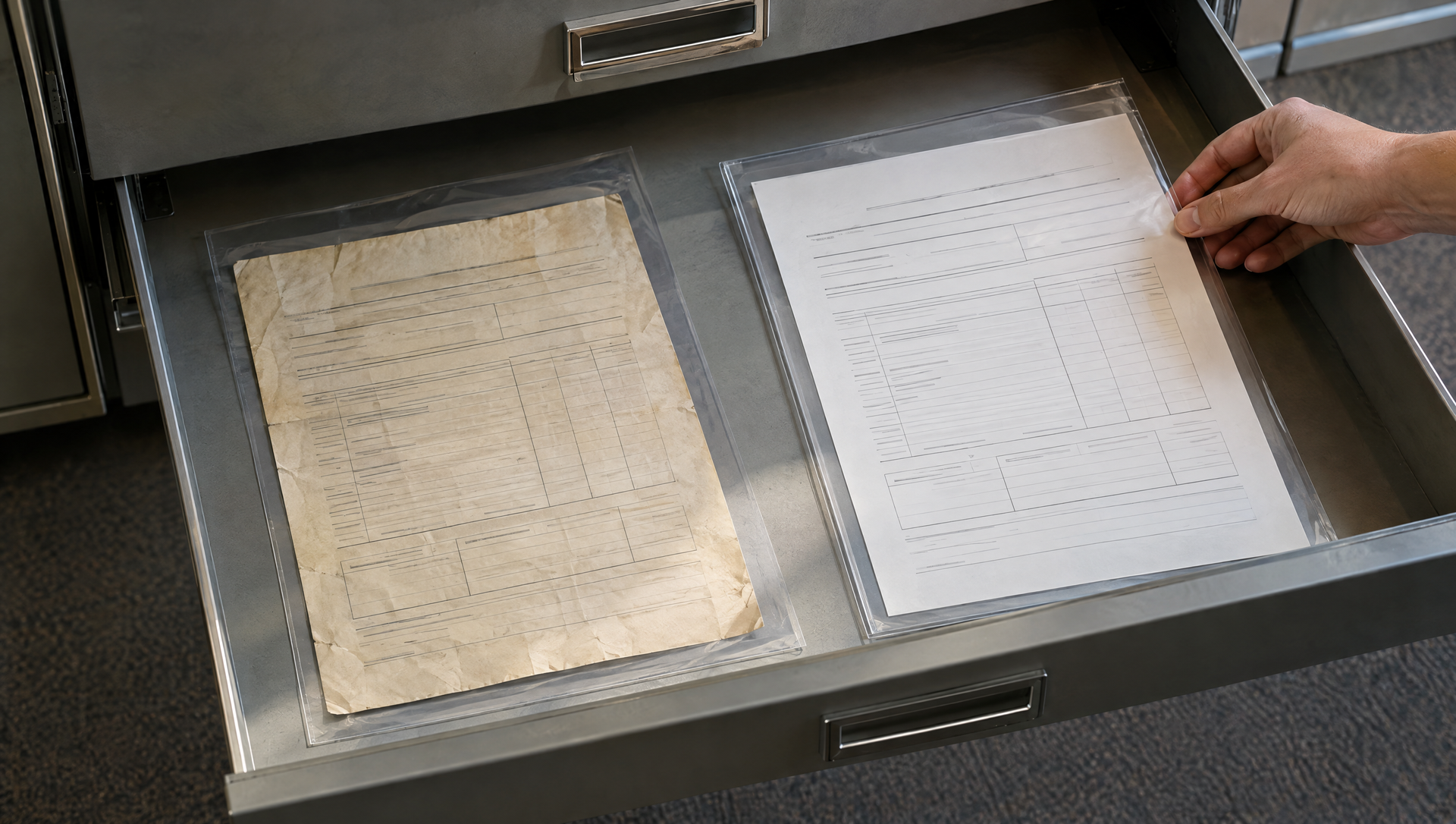
The board's decision letter is not your new discharge document. You want the corrected DD-214, or the DD Form 215 that documents the correction, in your hands and in your files, because every institution downstream asks for the document rather than the decision.
Read it when it arrives. Confirm the characterization changed as ordered, and confirm anything else the board granted actually appears: the
narrative reason, separation code, or RE code if those were part of your application. Corrections get issued by humans, and incomplete implementation happens. Catching it now is far easier than untangling it in five years.
File your VA claims, and understand the date
This is where the money lives. An upgrade can open VA disability compensation and health care that were barred by your characterization, but the VA does not open a claim for you.
File. And pay close attention to
effective dates, because upgrade cases have their own wrinkles: whether earlier claims you filed under the old characterization can be revisited, and whether benefits can reach back rather than starting from today's filing. That analysis is case-specific and worth doing carefully rather than assuming, because the difference between a 2026 effective date and one reaching back years is often the largest number in the entire upgrade.
If you're building a first claim now, everything in
the initial claims playbook applies, plus one advantage: you've just spent months assembling service records and medical evidence for the board. That work is claim evidence. Don't file thin after building thick.
The benefits people forget to chase
VA health care enrollment, which is its own application and can be the most immediately valuable thing an upgrade unlocks.
Education benefits, where eligibility can turn on characterization and where deadlines and delimiting periods apply, so ask early rather than assuming the window is gone.
Home loan eligibility, which requires a Certificate of Eligibility that your corrected paperwork supports.
Burial and memorial benefits, worth confirming and worth writing into
your estate documents so your family isn't guessing later.
State and local benefits, which are easy to overlook and often meaningful: property tax relief, tuition programs, park and license privileges, and hiring preferences vary by state and frequently key off discharge characterization.
Employment and licensing, the quiet one. If you've been answering discharge questions on applications for years, or if a professional license was affected, the corrected record changes what you can say and sometimes what you can hold.
The part nobody puts on a checklist
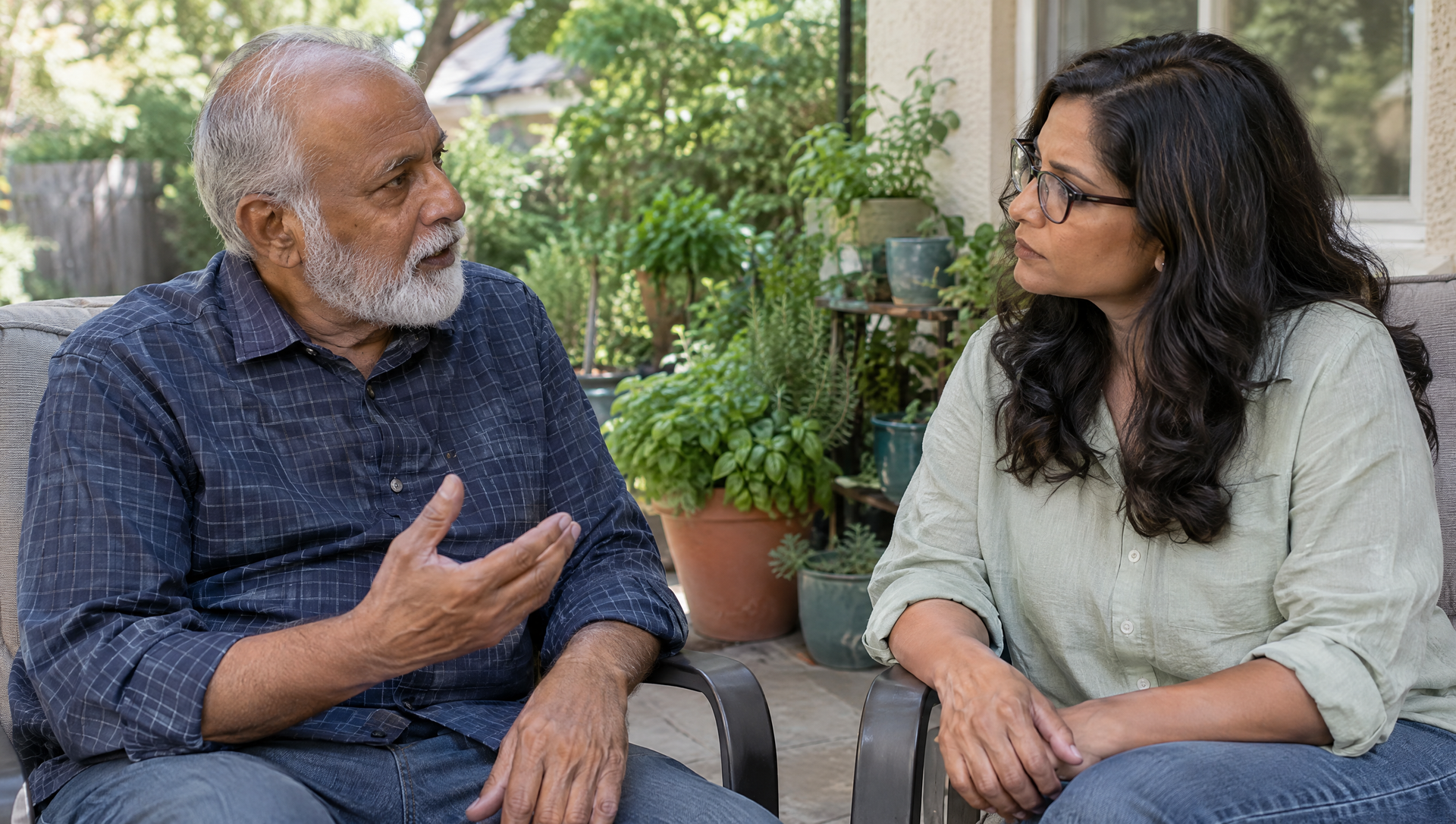
An upgrade closes a chapter that has followed people through jobs, marriages, and decades of introducing themselves with an asterisk. Veterans describe the aftermath as strange rather than triumphant: relief mixed with anger about the years spent carrying it. That reaction is common and it does not mean something is wrong with you. If it stirs things up, VA health care is one of the doors that just opened, and using it is a legitimate way to spend an upgrade.
If any of this is bringing hard things to the surface, support doesn't wait on paperwork. The Veterans Crisis Line is free, confidential, and available 24/7, whether or not you're enrolled in VA care: dial
988 then press 1, text
838255, or chat at
VeteransCrisisLine.net/Chat.
If the upgrade was partial
Boards sometimes grant less than asked: characterization improved but the narrative reason left alone, or an upgrade to general when you sought honorable. A partial grant is still a decision, and the remaining pieces can be pursued, through reconsideration with new evidence, through
the correction board if the review board has gone as far as it can, or through the courts if the reasoning doesn't hold up. Take the win, cash it, and then decide whether the rest is worth pursuing.
Where we come in
We're a veteran-led firm, and we treat an upgrade as the middle of the story rather than the end: the corrected paperwork, the claims it opens, and the effective dates that decide what those claims are worth. If your upgrade came through and nothing has happened since,
reach out and we'll make sure it turns into something.