Traumatic Brain Injury (TBI) and VA Disability Claims
TBI
TBI Claims Are Often Misunderstood, Fragmented, or Dismissed
Traumatic Brain Injury claims present unique challenges under VA law. Many Veterans with TBIs are told that their injury was “mild,” that imaging was normal, or that symptoms are better explained by another diagnosis. As a result, legitimate TBI claims are frequently denied, underrated, or improperly split into disconnected pieces.
The law does not support that approach.
We represent Veterans nationwide in TBI claims and appeals, including cases involving blast exposure, concussive injuries, training accidents, and repeated head trauma. These cases require careful legal and medical framing to ensure the VA evaluates the injury and its lasting effects accurately.
What Counts as a Traumatic Brain Injury
A TBI occurs when an external force causes injury to the brain. This may involve loss of consciousness, altered mental state, memory loss, or neurological symptoms, but loss of consciousness is not required. TBI may result from:
- Blast exposure
- Vehicle accidents
- Falls or training injuries
- Repeated concussive events
- Combat or non-combat incidents
“Mild” TBI doesn't mean insignificant. Many long-term cognitive, emotional, and physical impairments arise from injuries initially classified as mild.



How the VA Evaluates TBI
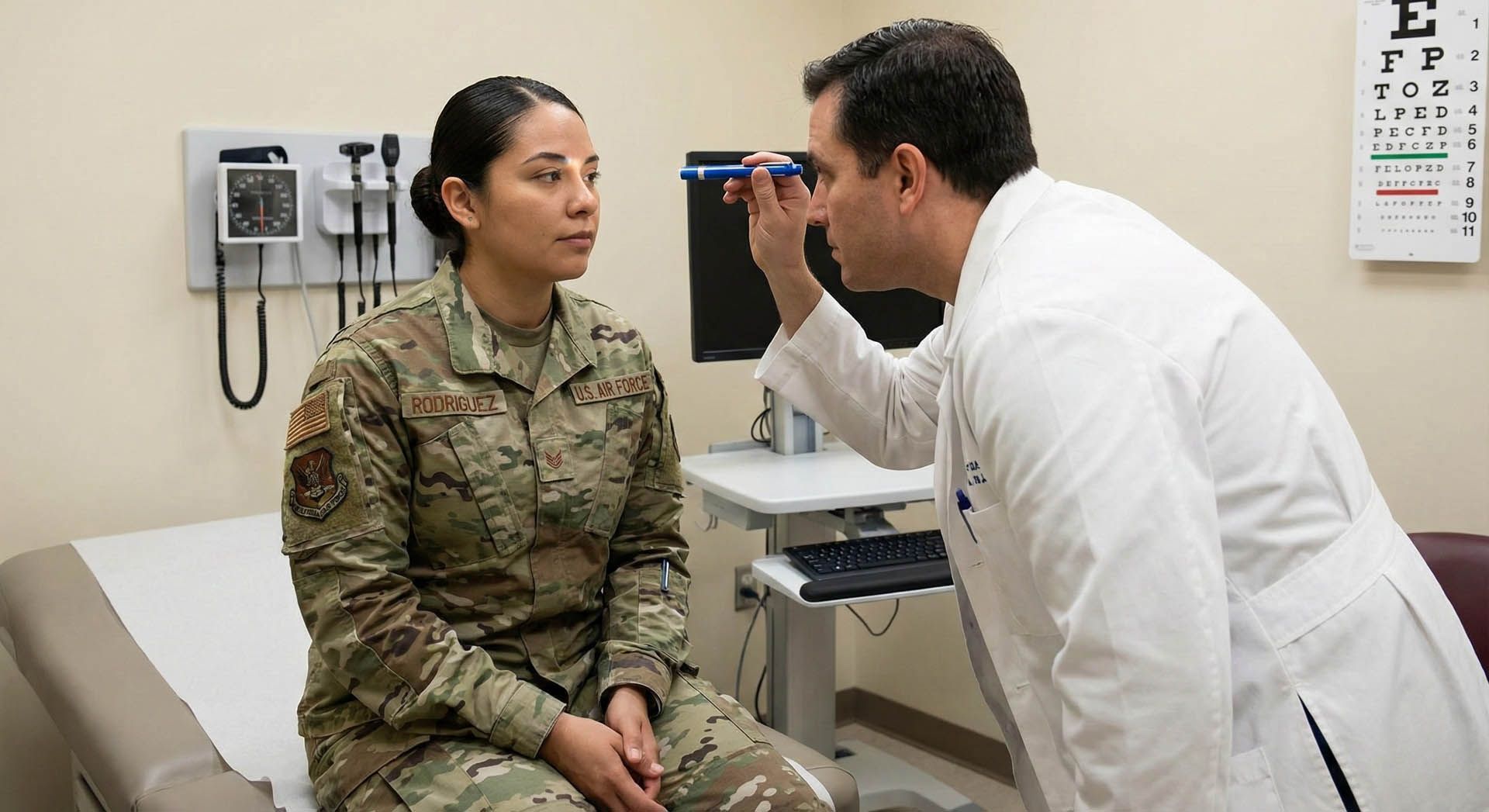
The VA evaluates TBI under a specialized framework that assesses residuals across multiple functional domains. These include:
- Cognitive impairment
- Emotional and behavioral symptoms
- Physical and neurological effects
Rather than issuing a single rating based solely on diagnosis, the VA is required to evaluate how TBI affects functioning over time. In practice, the VA often fails to apply this framework correctly.
Mild TBI and the Problem of Normal Imaging
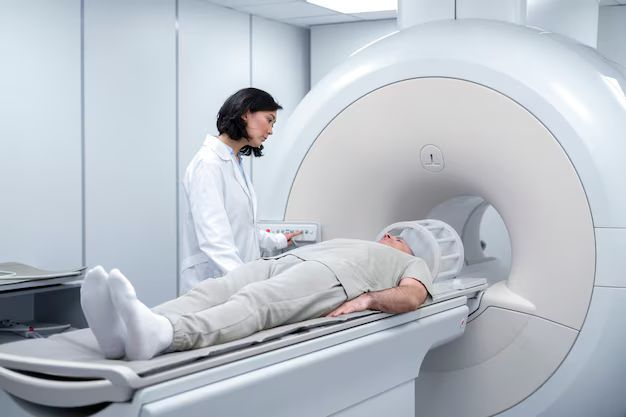
One of the most common VA errors in TBI cases is overreliance on imaging results. CT scans and MRIs are often normal in mild TBI cases. The absence of visible damage doesn't mean the absence of injury.
VA denials frequently cite “normal imaging” as a basis for rejection. This reasoning is medically and legally flawed. Appeals succeed when the record demonstrates that functional impairment, not imaging, controls the analysis.
Overlap With PTSD and Other Conditions
TBI frequently overlaps with PTSD, depression, anxiety, migraines, sleep disorders, and cognitive impairment. The VA often responds by attributing all symptoms to mental health conditions while ignoring the neurological injury.
That's not the law though. When symptoms cannot be clearly separated, the VA must evaluate them in a way that doesn't disadvantage the Veteran. Improper symptom attribution is a common basis for successful appeal.

Fragmentation of TBI Residuals
Another frequent VA error is fragmenting TBI residuals into isolated conditions without acknowledging the underlying brain injury. Veterans may receive separate ratings for headaches, dizziness, memory problems, or mood changes, while the TBI itself is minimized or ignored.
This approach can understate the severity of impairment and distort the overall disability picture. Appeals often focus on correcting this fragmentation and ensuring the VA evaluates the full scope of residuals.
C&P Examinations in TBI Claims
C&P examinations play an outsized role in TBI claims and are a common source of error. Examiners may:
- Downplay symptoms due to lack of objective testing
- Rely on outdated assumptions about recovery
- Fail to review service records documenting head injury
- Improperly attribute symptoms to non-service-connected causes
An inadequate TBI examination cannot lawfully support a denial or low rating.




Common Reasons TBI Claims Are Denied or Underrated
We routinely see TBI claims denied or minimized based on:
- Characterization of injury as “mild”
- Lack of contemporaneous medical documentation
- Normal imaging studies
- Overlap with mental health diagnoses
- Misinterpretation of post-service medical history
These rationales often collapse under proper legal analysis.
Secondary Conditions Linked to TBI
TBI often leads to secondary conditions that may themselves be compensable. These may include:
- Migraines or chronic headaches
- Sleep apnea or other sleep disorders
- Mood and anxiety disorders
- Cognitive decline
- Balance problems
Establishing secondary service connection is often essential to accurately reflect the full impact of TBI.
How We Build TBI Claims and Appeals
TBI cases require coordination between medical evidence and legal standards. We do not rely on labels or assumptions.
Our approach includes:
- Reviewing service records for head injury or blast exposure
- Evaluating post-service symptom progression
- Identifying improper symptom attribution
- Challenging inadequate examinations
- Developing evidence focused on functional impairment
The goal is to force the VA to evaluate the injury as it exists, not as it wishes it did.
Veteran-Led Perspective on TBI
Many Veterans minimize TBI symptoms because they adapted early and learned to work around deficits. Memory lapses, irritability, headaches, and cognitive fatigue become normalized.
The law does not require normalization. It requires accuracy. As Veteran attorneys, we understand how easily TBI residuals are dismissed and how profoundly they affect daily functioning. Our role is to ensure the VA evaluates these injuries honestly and completely.

Frequently Asked Questions
Can I have a TBI without losing consciousness?
Yes. Loss of consciousness is not required.
Can mild TBI still be compensable?
Yes. Severity labels do not control entitlement.
Can TBI be rated separately from PTSD?
It depends on whether symptoms can be clearly distinguished. The VA must apply the law correctly either way.
Take the Next Step
If your TBI claim was denied, minimized, or reduced to “normal imaging,” the decision may not reflect the law or medical reality.
A properly developed claim or appeal can correct that.
Request a Free Case Review
We will review your records, explain your options, and outline a strategy grounded in the law and the evidence.