Military Discharge Upgrades
Discharge Upgrades
Correcting an Unjust Discharge Is a Legal Process, Not a Request for Leniency
A less-than-honorable discharge can follow a Veteran for decades, affecting access to VA benefits, employment opportunities, and basic recognition of service. In many cases, the discharge does not reflect the full context of the Veteran’s service, medical history, or the conditions under which separation occurred.
Discharge upgrade cases are not about rewriting history. They are about correcting legal and procedural errors using the standards set by statute, regulation, and Department of Defense policy.
We represent Veterans seeking discharge upgrades before the appropriate military review boards. These cases require careful record reconstruction, disciplined legal argument, and effective advocacy at hearing.
Types of Discharges Commonly Challenged
Veterans may seek review of discharges including, but not limited to:
- Other Than Honorable (OTH)
- General (Under Honorable Conditions)
- Bad Conduct Discharges (administrative review context)
Each type of discharge is governed by different standards and reviewed by different boards. The strategy depends on the nature of the discharge, the age of the case, and the available evidence.




Boards That Review Discharge Upgrades
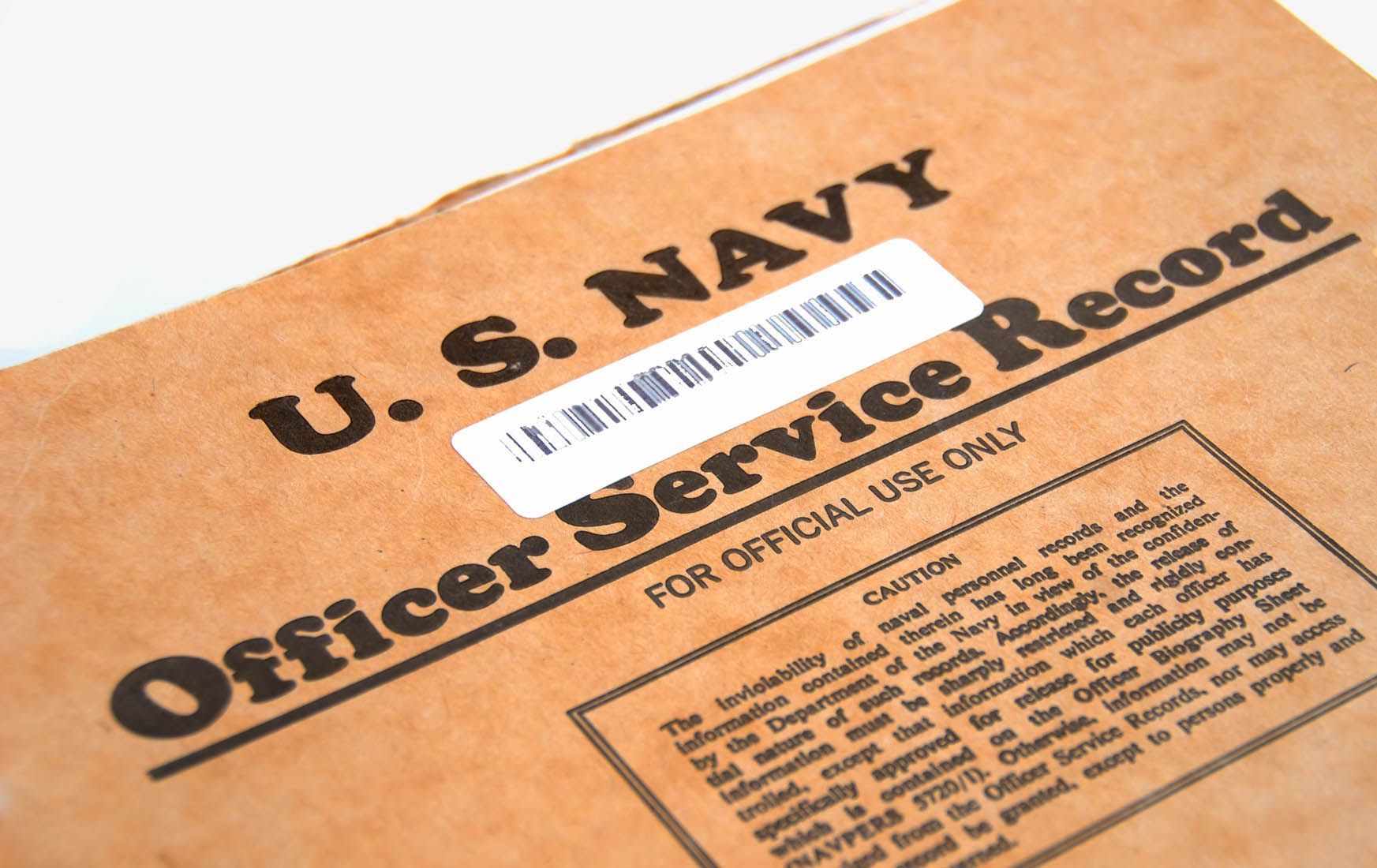
Discharge upgrade requests are submitted to the appropriate military review authority, depending on the circumstances of the case. These may include:
- Discharge Review Boards (DRB)
- Boards for Correction of Military or Naval Records (BCMR / BCNR)
Each board applies distinct legal standards, evidentiary rules, and timelines. Selecting the correct forum is a critical first step.
Common Grounds for Discharge Upgrades
Successful discharge upgrades are typically grounded in identifiable legal or factual issues. Common bases include:
- Mental health conditions such as PTSD or TBI that were not considered at separation
- Misconduct linked to undiagnosed or untreated service-connected conditions
- Disproportionate punishment or inconsistent application of discipline
- Procedural errors during separation
- Post-service conduct demonstrating rehabilitation and character
Boards are required to consider both the circumstances at the time of discharge and relevant post-service evidence. When they fail to do so, their decisions are vulnerable
What Representation Includes
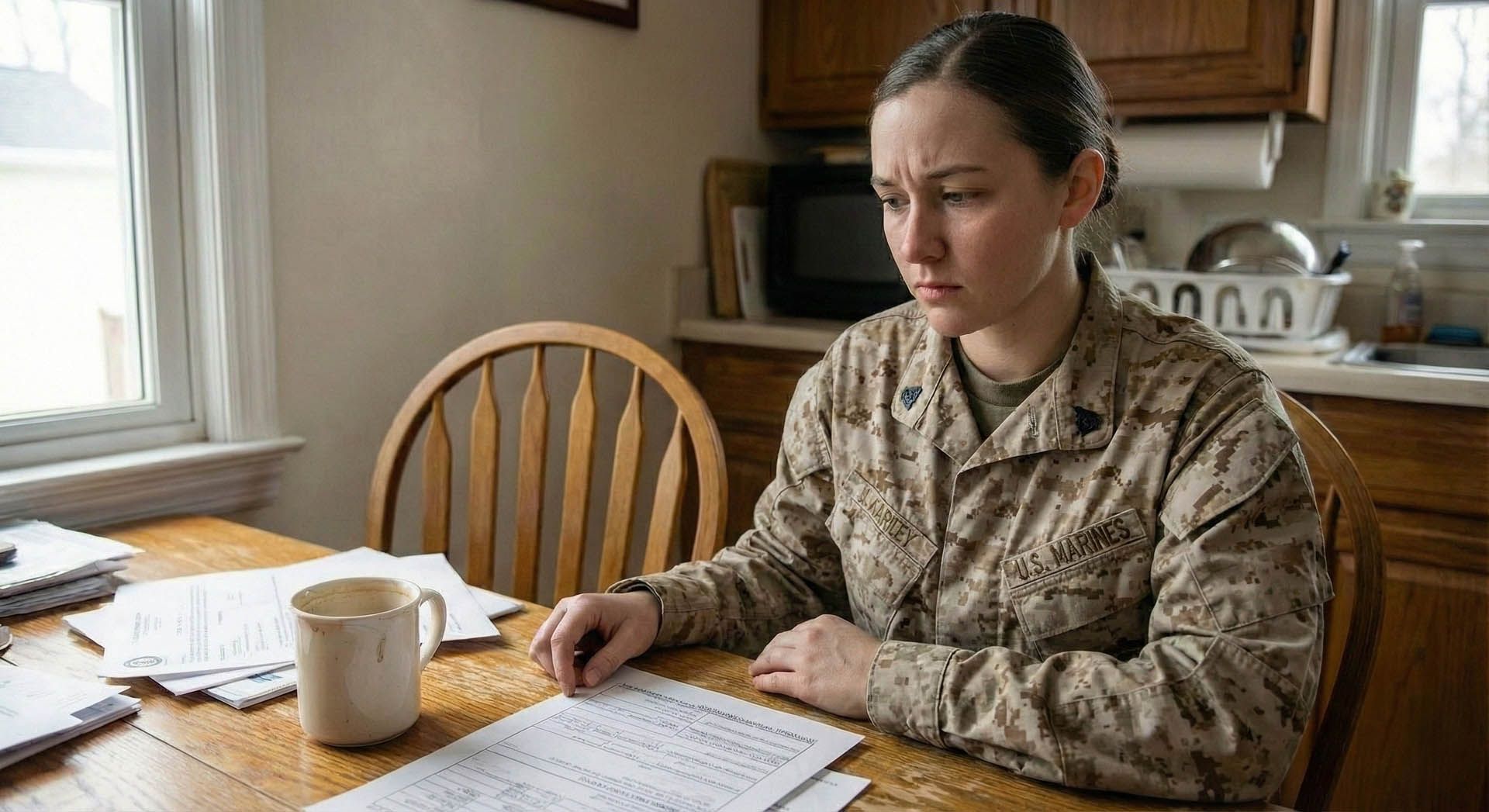
Our discharge upgrade representation is structured, finite, and focused. Representation includes:
- Comprehensive review of the service record and separation history
- Development of a single, comprehensive written brief submitted to the appropriate board
- Assembly and presentation of supporting evidence
- Preparation for and representation at the board hearing, where applicable
The goal is to present a clear, persuasive case grounded in the governing standards and supported by the record.
Scope of Representation and Appeals
Representation under this engagement covers:
- One discharge upgrade application
- One written brief
- Representation at the applicable board hearing
If the board denies relief and the Veteran wishes to pursue further review or appeal to a higher authority, additional legal fees may apply. Any additional representation will require a separate agreement and will not proceed without the Veteran’s informed consent.
Fee Structure
Discharge upgrade representation is offered on a flat-fee basis.
- Total flat fee: $5,000
- Payment options:
- Paid in full up front, or
- Three-quarters paid up front, with the remaining balance due upon completion of the engagement
This fee structure reflects the substantial time and analysis required to review records, draft a comprehensive brief, and provide hearing representation. All fees and payment terms are explained clearly before representation begins.


What Discharge Upgrades Can and Cannot Do
A successful discharge upgrade may:
- Improve or restore eligibility for VA benefits
- Correct the official characterization of service
- Remove barriers tied to discharge status
A discharge upgrade does not:
- Automatically guarantee VA benefits
- Expunge underlying service records
- Change factual findings unrelated to characterization
Understanding these limits is critical to setting realistic expectations.
Veteran-Led Perspective on Discharge Upgrades
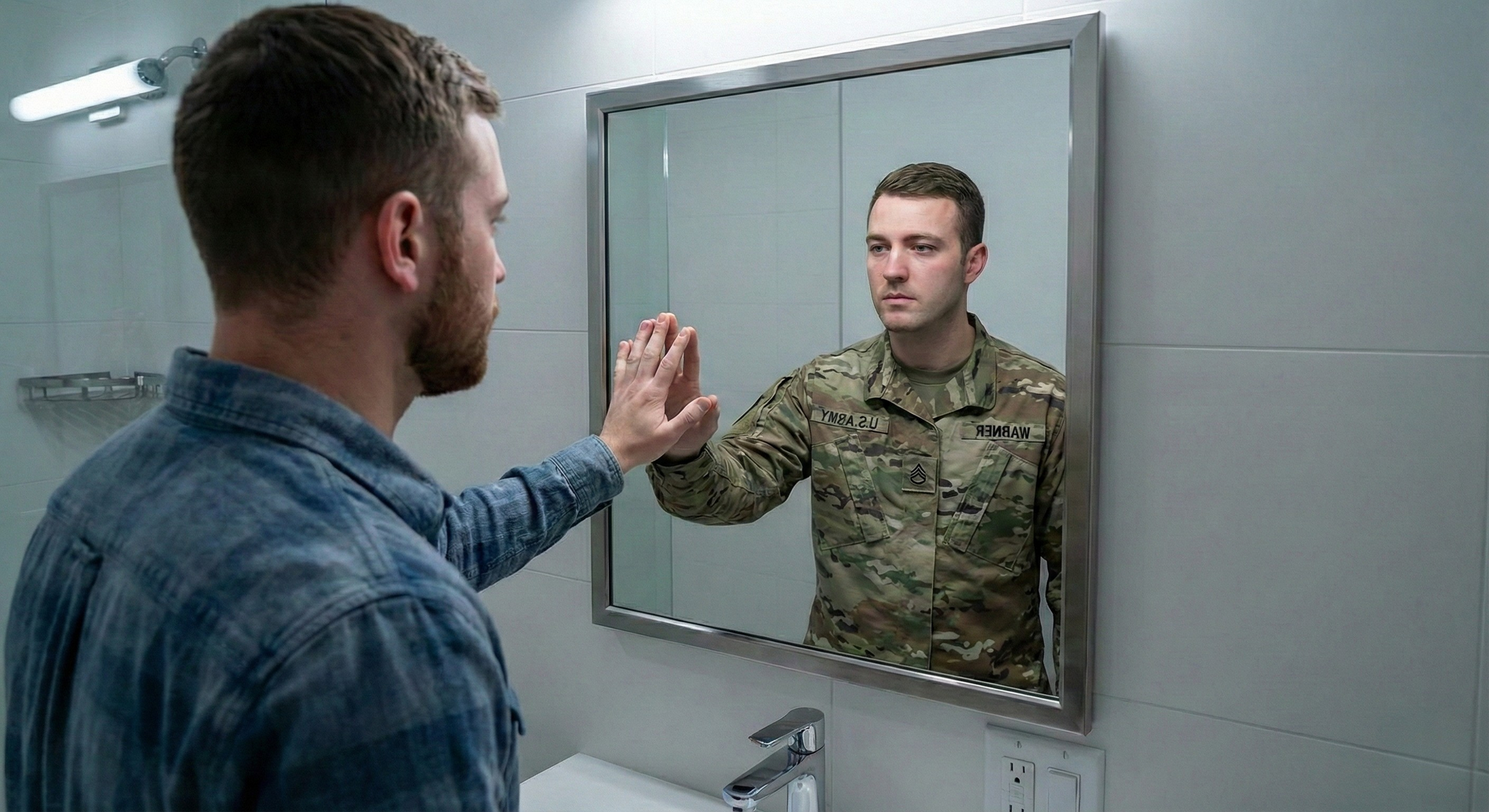
Many Veterans carry the weight of an unjust discharge long after service ends. In some cases, the discharge reflects a moment of crisis rather than the totality of service. In others, it reflects a system that failed to recognize the effects of trauma, injury, or untreated mental health conditions.
As Veteran attorneys, we approach discharge upgrade cases with respect for both the service rendered and the legal standards that govern correction. Our role is not to excuse misconduct, but to ensure that the law is applied fully and fairly.

Frequently Asked Questions
Is there a time limit to apply for a discharge upgrade?
Some boards impose time considerations, but older cases may still be reviewed under appropriate standards.
Do I need to appear at a hearing?
Not all cases involve hearings, but representation includes preparation and advocacy when hearings are available.
Does an upgrade guarantee VA benefits?
No. VA eligibility is determined separately, though upgrades often remove significant barriers.
Take the Next Step
If your discharge does not accurately reflect your service or the circumstances under which you were separated, a discharge upgrade may be appropriate. These cases require careful evaluation before action is taken.
Request a Free Case Review
We will review your service record, explain the applicable board and standards, and outline whether representation is appropriate.