
Sleep Apnea and Secondary Service Connection
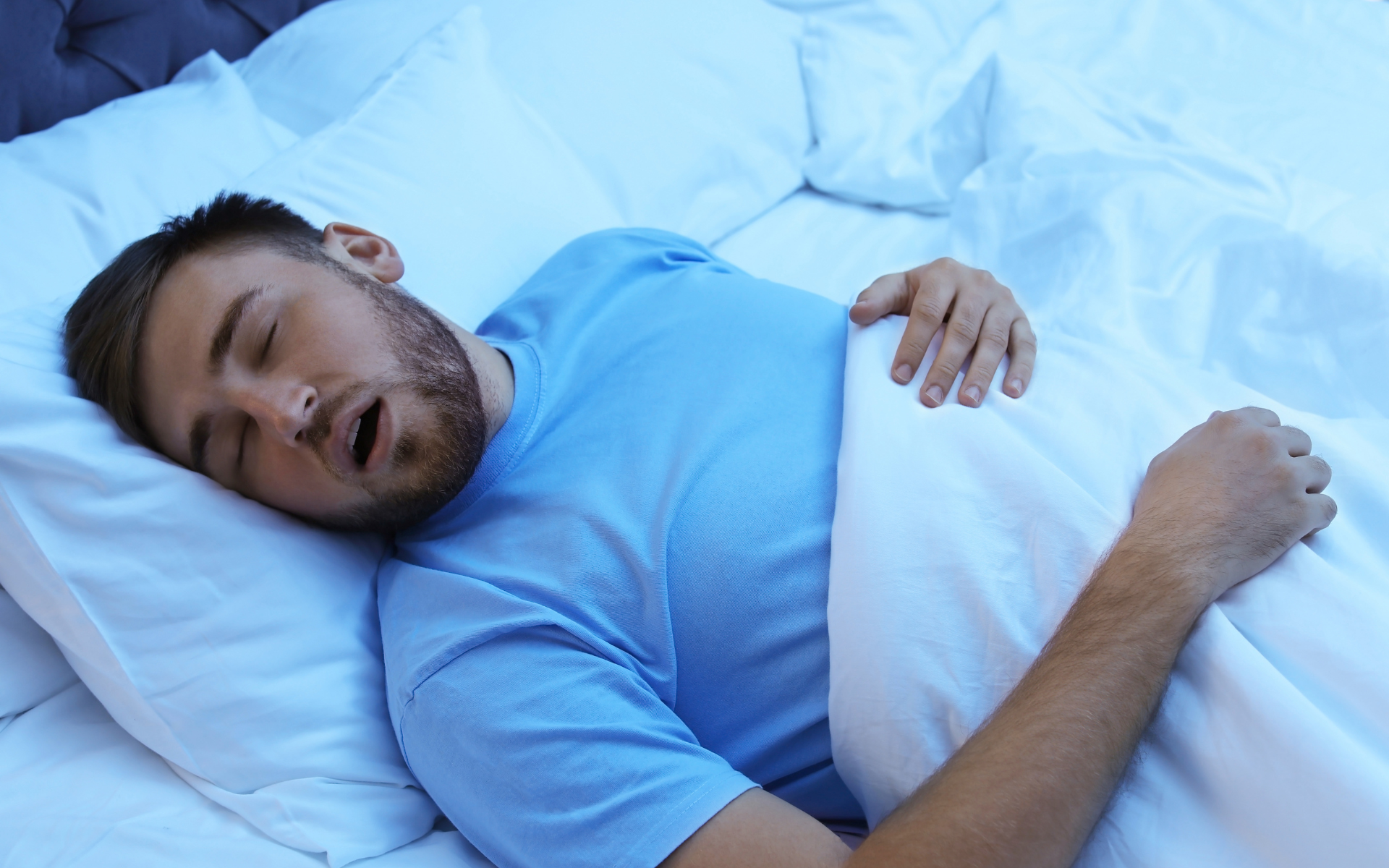
Sleep Apnea
Sleep Apnea Claims Are Often Denied for the Wrong Reasons
Sleep apnea is one of the most frequently claimed conditions among Veterans, and one of the most commonly denied. The VA often treats sleep apnea as a standalone diagnosis divorced from the rest of a Veteran’s medical history. That approach is legally flawed and medically incomplete.
In many cases, sleep apnea is not the beginning of the story. It is the result of other service-connected conditions that alter sleep architecture, breathing, weight, or neurological function over time. We represent Veterans nationwide in sleep apnea claims and appeals, with particular focus on secondary service connection. These cases are rarely won by accident. They succeed when the record is built deliberately and the law is applied correctly.
How the VA Evaluates Sleep Apnea
Sleep apnea is rated under Diagnostic Code 6847. Ratings are tied primarily to treatment requirements and severity, not simply the presence of symptoms.
In general terms:
- A 0 percent rating may apply when sleep apnea is diagnosed but asymptomatic
- A 30 percent rating may apply when there is persistent daytime hypersomnolence
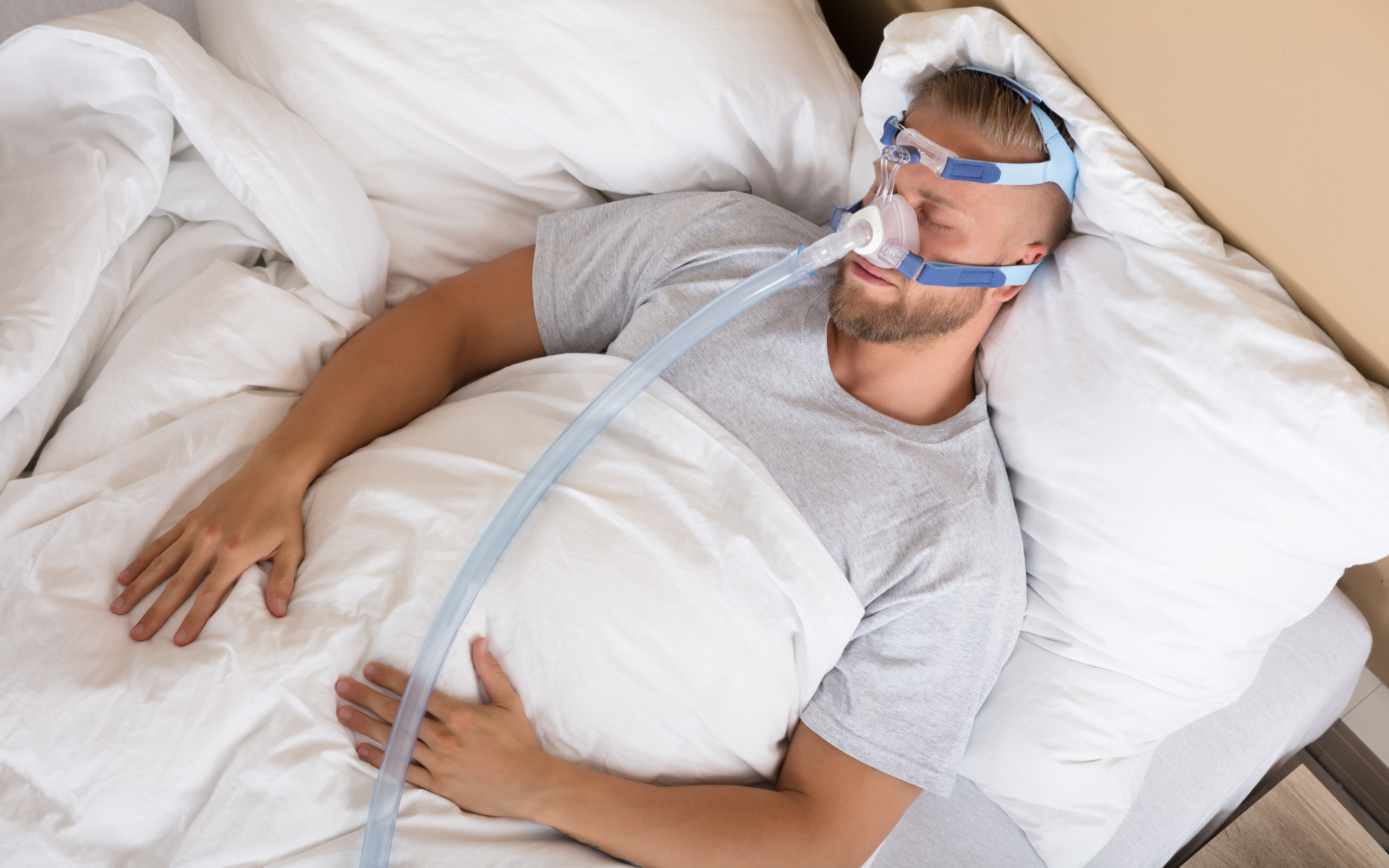
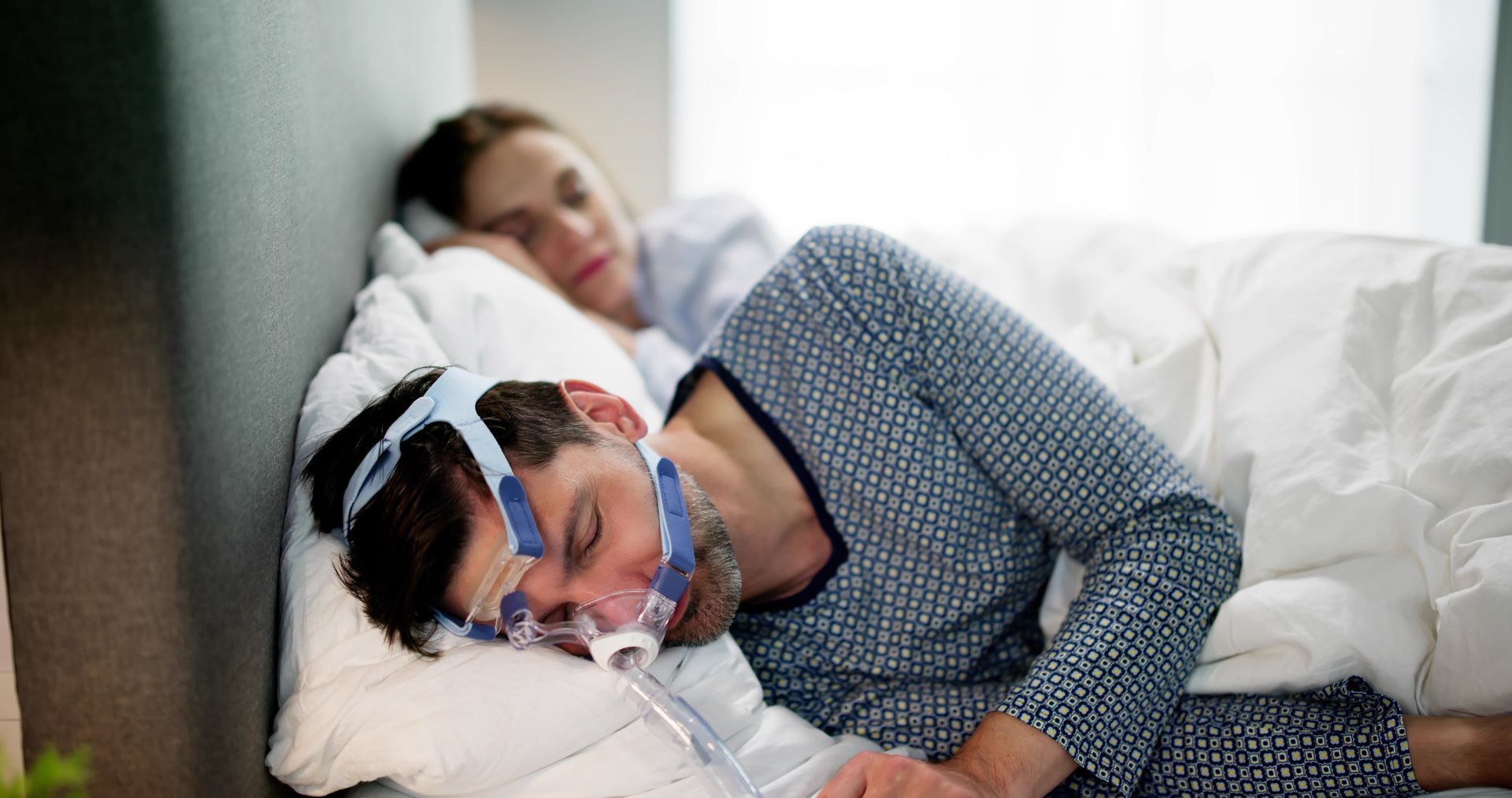
- A 50 percent rating applies when the condition requires the use of a CPAP or similar breathing assistance device
- A 100 percent rating applies in rare cases involving chronic respiratory failure or related complications
The VA frequently misapplies these criteria by focusing narrowly on when a diagnosis was made, rather than how the condition developed and why it exists.

Direct vs. Secondary Service Connection
Sleep apnea may be service-connected in two primary ways:
Direct Service Connection
Direct service connection requires evidence that sleep apnea began during service or is directly linked to an in-service event, exposure, or illness. These cases are less common, but not impossible, particularly where symptoms were present but undiagnosed during service.
Secondary Service Connection
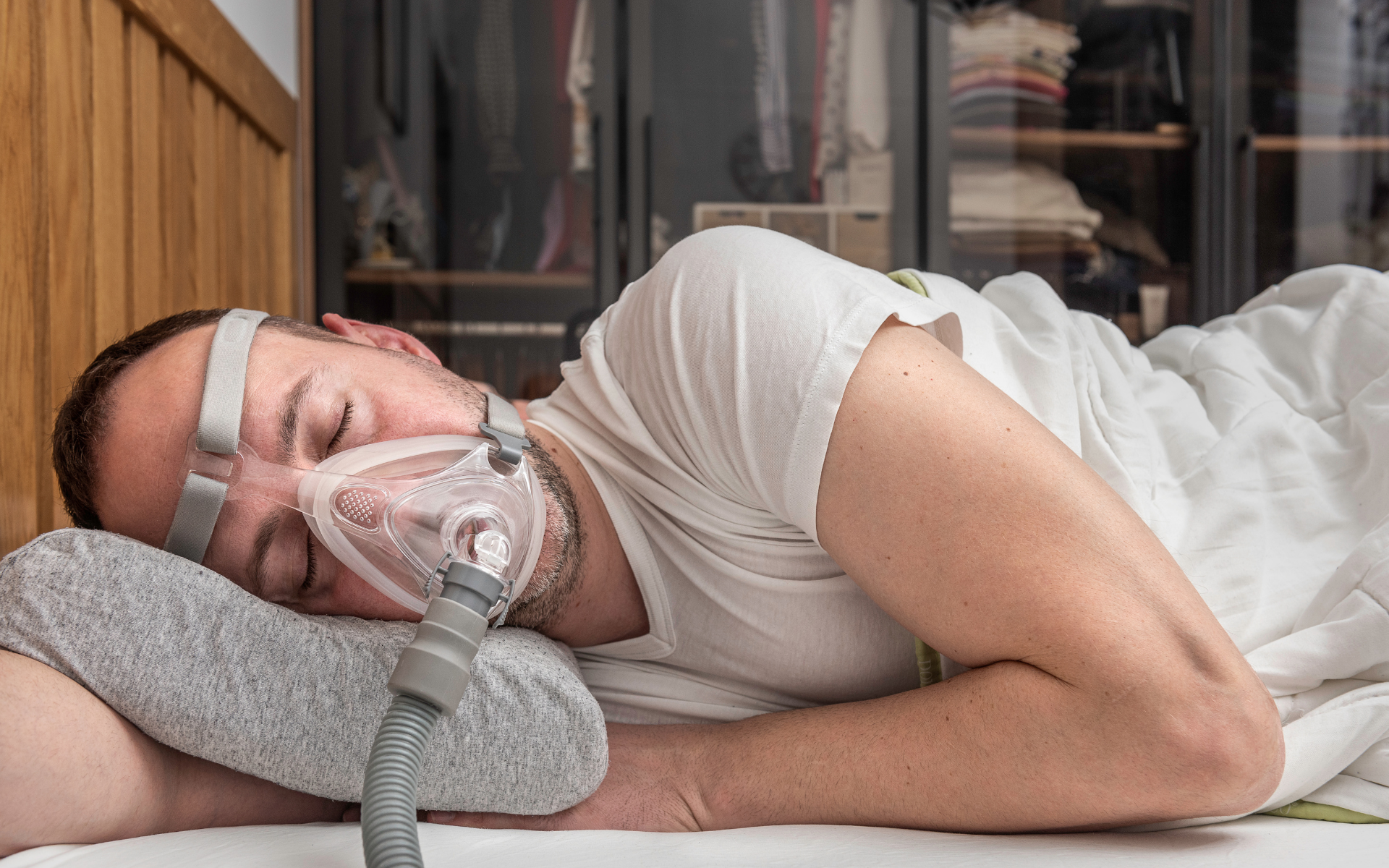
Secondary service connection applies when sleep apnea is caused or aggravated by another service-connected condition. This is where most viable sleep apnea claims succeed.
The VA often resists secondary sleep apnea claims despite clear regulatory authority allowing them. Appeals are frequently necessary to correct that resistance.
Common Conditions Linked to Secondary Sleep Apnea
Sleep apnea often develops as part of a broader medical picture. Conditions we frequently see linked to secondary sleep apnea include:
- PTSD and other mental health conditions
- Traumatic Brain Injury (TBI)
- Chronic pain conditions that disrupt sleep
- Medications that affect respiration or muscle tone
- Weight gain caused or aggravated by service-connected disabilities
- Orthopedic conditions that limit mobility and contribute to obesity
The law doesn't require that a service-connected condition be the sole cause of sleep apnea. Aggravation alone is sufficient. The VA routinely ignores this distinction, creating fertile ground for appeal.
Why Sleep Apnea Claims Are Denied
Sleep apnea denials often rely on reasoning that doesn't withstand scrutiny. We routinely see decisions based on:
- Overemphasis on the date of diagnosis
- Failure to consider secondary or aggravating factors
- Dismissal of medical literature supporting causal relationships
- Reliance on conclusory C&P opinions
- Improper rejection of credible lay evidence
A denial doesn't mean the claim lacks merit. It often means the VA chose the easiest explanation rather than the correct one.
The Role of Medical Evidence and Nexus Opinions
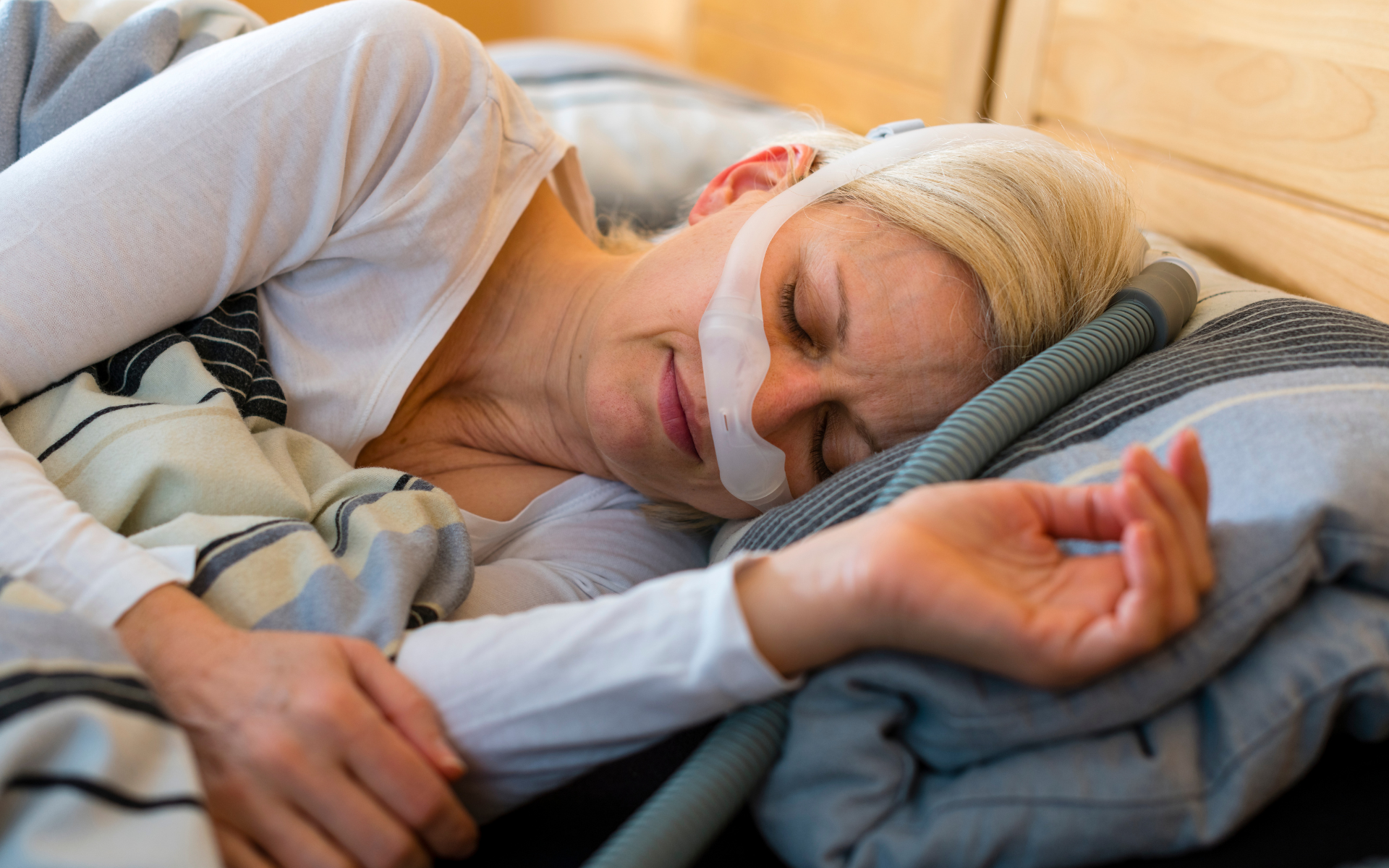
Sleep apnea claims live or die on medical nexus evidence. A diagnosis alone is not enough. The record must explain how and why the condition is related to service or to another service-connected disability. Effective nexus evidence:
- Addresses causation and aggravation explicitly
- Explains physiological mechanisms, not just conclusions
- Accounts for the Veteran’s full medical history
- Engages with contrary VA opinions directly
VA examiners frequently provide opinions that lack adequate rationale. Challenging those opinions and replacing them with competent evidence is often the key to a successful appeal.
Sleep Apnea and CPAP Use
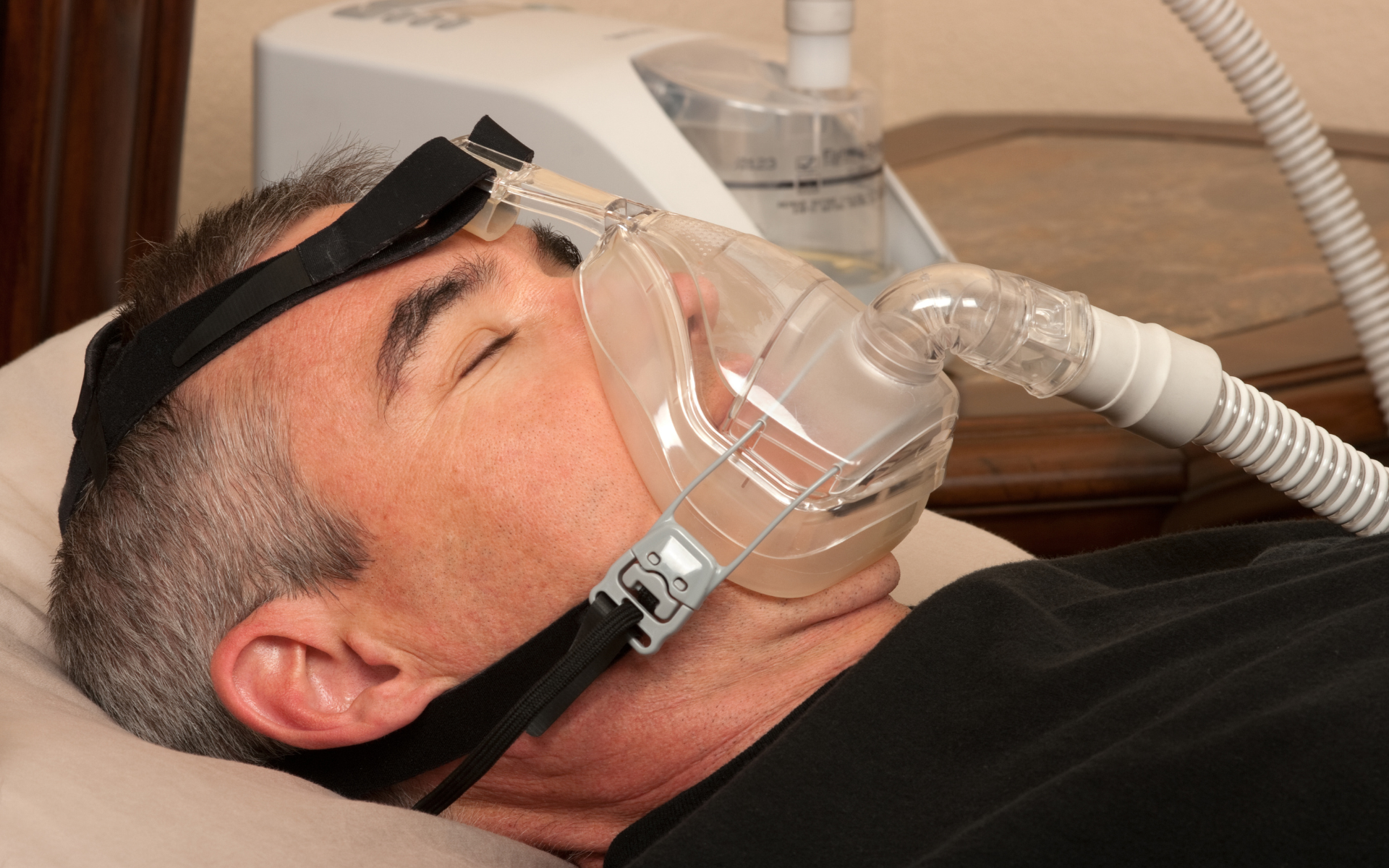
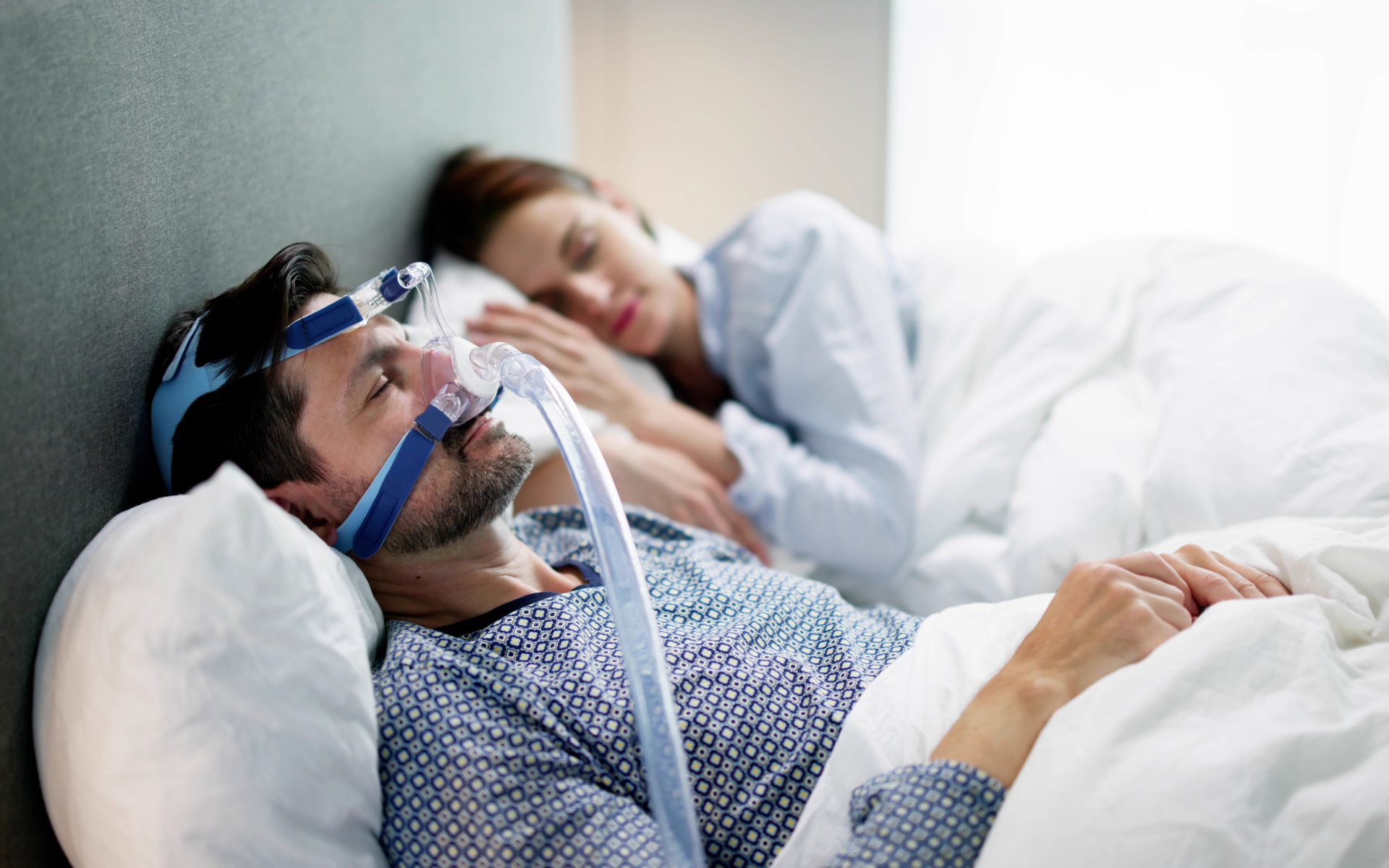
The use of a CPAP device is central to many sleep apnea claims, particularly at the 50 percent rating level. The VA sometimes attempts to minimize CPAP use by questioning compliance or necessity.
The law doesn't require perfect use. It requires that a breathing assistance device be prescribed as medically necessary. Appeals frequently succeed when the VA improperly substitutes its judgment for that of treating providers.
How We Handle Sleep Apnea Appeals
Sleep apnea appeals require careful coordination between medical evidence and legal standards. Our process includes:
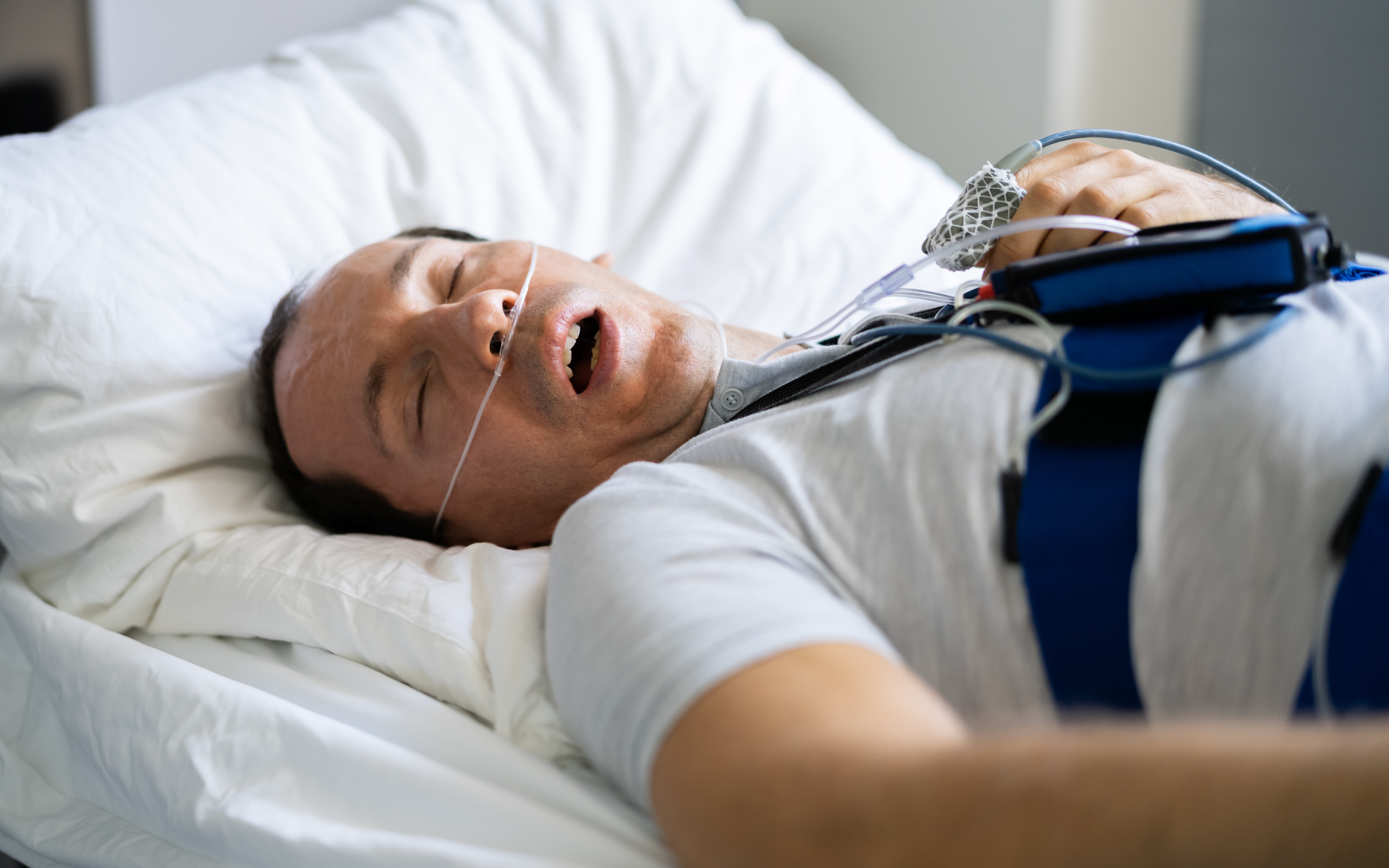
- Reviewing sleep studies, treatment records, and prior opinions
- Identifying viable theories of direct or secondary service connection
- Developing targeted medical nexus evidence
- Challenging inadequate VA examinations and opinions
- Aligning the record with applicable regulations and precedent
We don't rely on generic arguments. Each case is built around the Veteran’s specific medical history and service-connected conditions.
A Veteran Perspective on Sleep Disorders
Sleep disorders are often minimized, even by those who live with them. Veterans adapt. They normalize exhaustion, fragmented sleep, and impaired concentration because they have learned to function through it.
The law does not require that endurance replace accuracy. Sleep apnea affects health, safety, and employability. It deserves to be evaluated with the seriousness it warrants.
As Veteran attorneys, we understand how easily these conditions are dismissed, and how much they affect daily life when left unaddressed.

Frequently Asked Questions
Can PTSD cause or aggravate sleep apnea?
In many cases, yes. PTSD can alter sleep architecture and contribute to physiological changes that worsen or aggravate sleep apnea.
What if I was diagnosed years after service?
A delayed diagnosis does not bar service connection. The focus is on causation or aggravation, not timing alone.
Do I need a private medical opinion?
Often, yes. VA opinions are frequently inadequate in sleep apnea cases.
Take the Next Step
If your sleep apnea claim was denied, or if the VA refused to recognize it as secondary to another service-connected condition, the decision may not reflect the law or the evidence.
A properly developed appeal can correct that.
Request a Free Case Review
We will review your decision, explain your options, and outline a strategy grounded in the medical evidence and the law.