PACT Act Claims and Toxic Exposure
PACT Act
The PACT Act Changed the Law. It didn't Fix the VA.
The Sergeant First Class Heath Robinson Honoring Our Promise to Address Comprehensive Toxics Act expanded VA benefits for Veterans exposed to toxic substances during military service. It created new presumptions, added qualifying locations, and recognized conditions that had been denied for decades.
What it didn't do was eliminate VA error.
Despite the clarity of the statute, the VA continues to deny, delay, or improperly limit PACT Act claims by misapplying presumptions, mishandling effective dates, and relying on examinations that ignore the law’s intent.
We represent Veterans nationwide in PACT Act claims and appeals. When the VA fails to apply the correct standards, we push back.
What the PACT Act Covers
The PACT Act expanded eligibility for service connection based on toxic exposure, including exposure to burn pits, airborne hazards, and other environmental toxins.
Key expansions include:
- New presumptive conditions related to burn pits and airborne hazards
- Expanded qualifying locations and service periods
- Recognition of long-term health effects from toxic exposure
- Changes to how the VA must evaluate exposure-related claims
For many Veterans, the PACT Act removed the need to prove a medical nexus. For others, it changed how that nexus must be evaluated.




Qualifying Service and Locations
PACT Act eligibility depends in part on where and when a Veteran served. Qualifying service may include deployments to areas involving sustained exposure to toxic substances, particulate matter, or environmental hazards.
The VA often acknowledges qualifying service but still denies claims by imposing additional proof requirements the law does not require. Appeals frequently succeed by correcting this error.
Presumptive Conditions Under the PACT Act
The PACT Act created or expanded presumptive service connection for certain conditions. When a condition is presumptive, the VA may not require proof of direct causation if qualifying service is established. Commonly claimed PACT Act conditions include:
- Respiratory conditions
- Certain cancers
- Chronic sinus and nasal conditions
- Asthma and bronchitis
- Other exposure-related illnesses
Presumptive doesn't mean guaranteed. The VA still misapplies diagnostic criteria, effective dates, and rating levels.

PACT Act Claims Are Still Being Denied. Here’s Why.
Despite clear statutory language, PACT Act claims are often denied or mishandled for predictable reasons:
- Failure to apply presumptive service connection
- Improper reliance on negative medical opinions
- Incorrect conclusions about exposure
- Misclassification of conditions outside presumptive lists
- Errors in effective dates and back pay
Many of these denials are legally unsound and correctable through appeal.

PACT Act and Effective Dates
Effective dates are one of the most significant issues in PACT Act claims. The law includes specific provisions governing when benefits should begin, but VA decisions often default to later dates than the law allows.
Incorrect effective dates can cost Veterans months or years of compensation. These errors are common and often overlooked unless challenged directly.
The Role of Examinations in PACT Act Claims
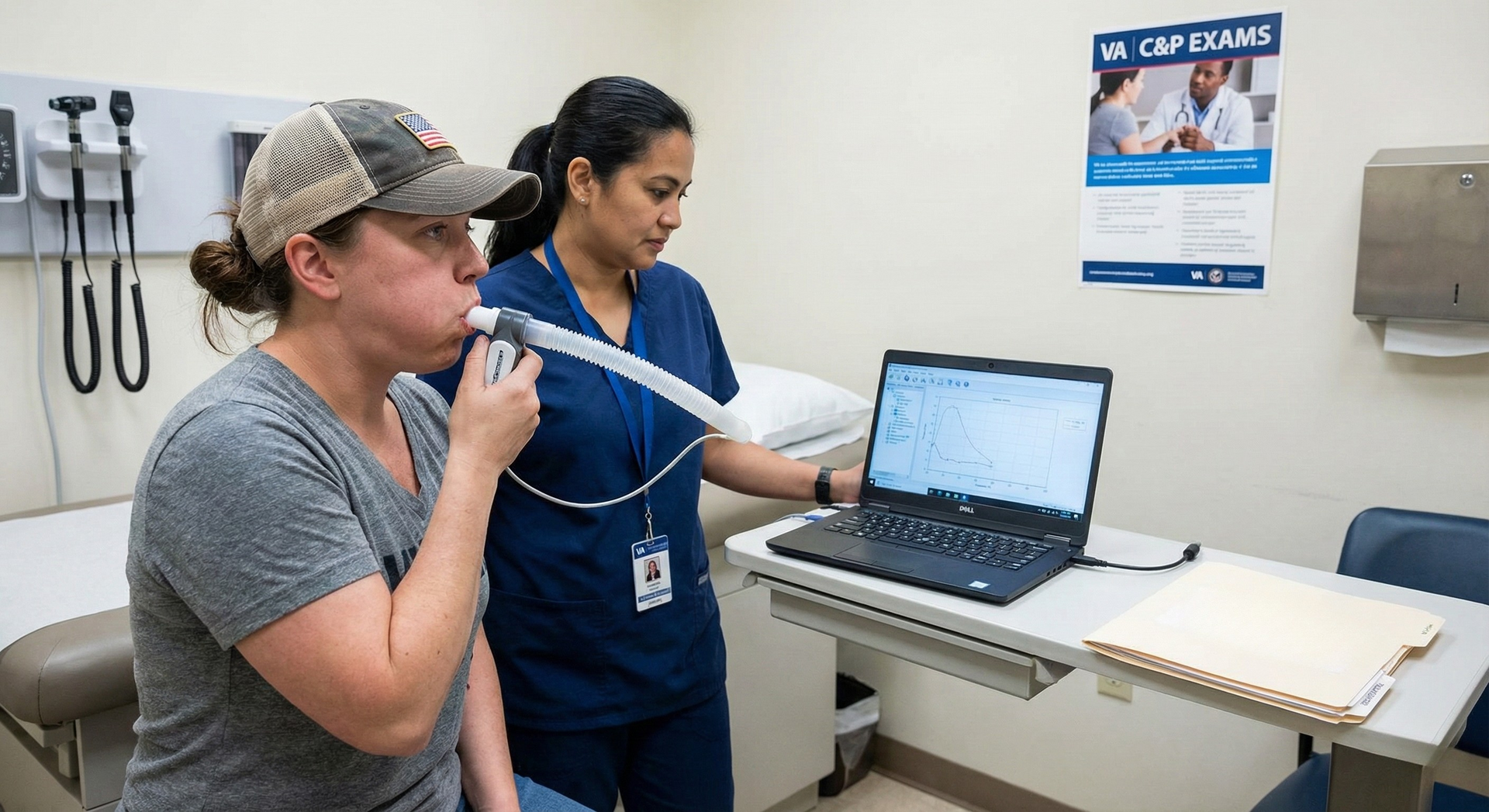
VA examinations in PACT Act cases are frequently unnecessary or improperly used. For presumptive conditions, the VA may not deny a claim based solely on a negative nexus opinion.
Examiners often fail to apply the presumptive framework, instead treating claims as if they were traditional direct service connection cases. When this occurs, the examination is legally inadequate.




When a PACT Act Claim Is Not Presumptive
Not all toxic exposure claims fall neatly within the presumptive lists. Veterans may still pursue service connection based on direct causation or aggravation.
In these cases, the PACT Act still matters. It affects how exposure is conceded, how evidence is evaluated, and how the VA must approach uncertainty.
Appeals succeed when the VA improperly narrows the scope of the law.
How We Handle PACT Act Claims and Appeals
PACT Act cases requires detailed appeals. We don't assume eligibility or entitlement. We verify it. Our approach includes:
- Confirming qualifying service and exposure
- Identifying applicable presumptions
- Reviewing VA decisions for legal compliance
- Challenging improper reliance on examinations
- Correcting effective date and rating errors
The goal isn't speed at the expense of accuracy. It's successful outcomes.
Veteran-Led Perspective on the PACT Act
Many Veterans waited years for acknowledgment that their illnesses were connected to service. The PACT Act represents a long-overdue correction, but recognition alone doesn't deliver benefits.
The burden still falls on Veterans to file, respond, and appeal when the VA fails. That burden shouldn't exist, but it does. As Veteran attorneys, we understand both the promise of the PACT Act and the frustration of watching it misapplied. Our role is to close that gap.

Frequently Asked Questions
Does the PACT Act guarantee service connection?
No. It creates presumptions and changes standards, but the VA still makes errors that must be challenged.
Do I need a medical nexus opinion for a presumptive condition?
Generally, no. The VA may not deny presumptive claims based solely on negative nexus opinions.
Can previously denied claims be reopened under the PACT Act?
Yes. Many previously denied claims are now eligible for reconsideration.
Take the Next Step
If your toxic exposure or PACT Act claim was denied, delayed, or granted incorrectly, the decision may not reflect the law as written.
A properly developed claim or appeal can enforce the protections the PACT Act was intended to provide.
Request a Free Case Review
We will review your service history, claimed conditions, and VA decisions, and explain your options clearly.