

Gulf War Illness and Toxic Exposure
GULF WAR
Many Exposure Claims Are Denied Because the VA Looks for the Wrong Proof
Veterans who served in Southwest Asia and other high-risk environments are often exposed to hazards that do not produce immediate, easily diagnosed conditions. Instead, symptoms develop gradually, overlap across body systems, and resist simple explanation.
For years, the VA treated these cases as medical mysteries rather than legal obligations. Gulf War Illness and toxic exposure claims were routinely denied because Veterans could not produce a neat diagnosis or a single causal event. The law now recognizes that approach as inadequate.
We represent Veterans nationwide in claims and appeals involving Gulf War Illness, environmental hazards, and toxic exposures, including claims governed by presumptive service connection rules and the PACT Act.
What Is Gulf War Illness Under VA Law
Gulf War Illness refers to a category of conditions recognized by the VA as qualifying chronic disabilities associated with service in Southwest Asia. These include:
- Undiagnosed illnesses
- Medically unexplained chronic multisymptom illnesses
- Certain diagnosed conditions with overlapping symptoms
The law doesn't require a definitive medical explanation. It requires credible evidence of chronic symptoms that can't be attributed to a known clinical diagnosis or that fall within recognized multisymptom categories.
The VA often ignores this distinction. Appeals frequently succeed by forcing the VA to apply the correct framework.




Qualifying Service and Locations
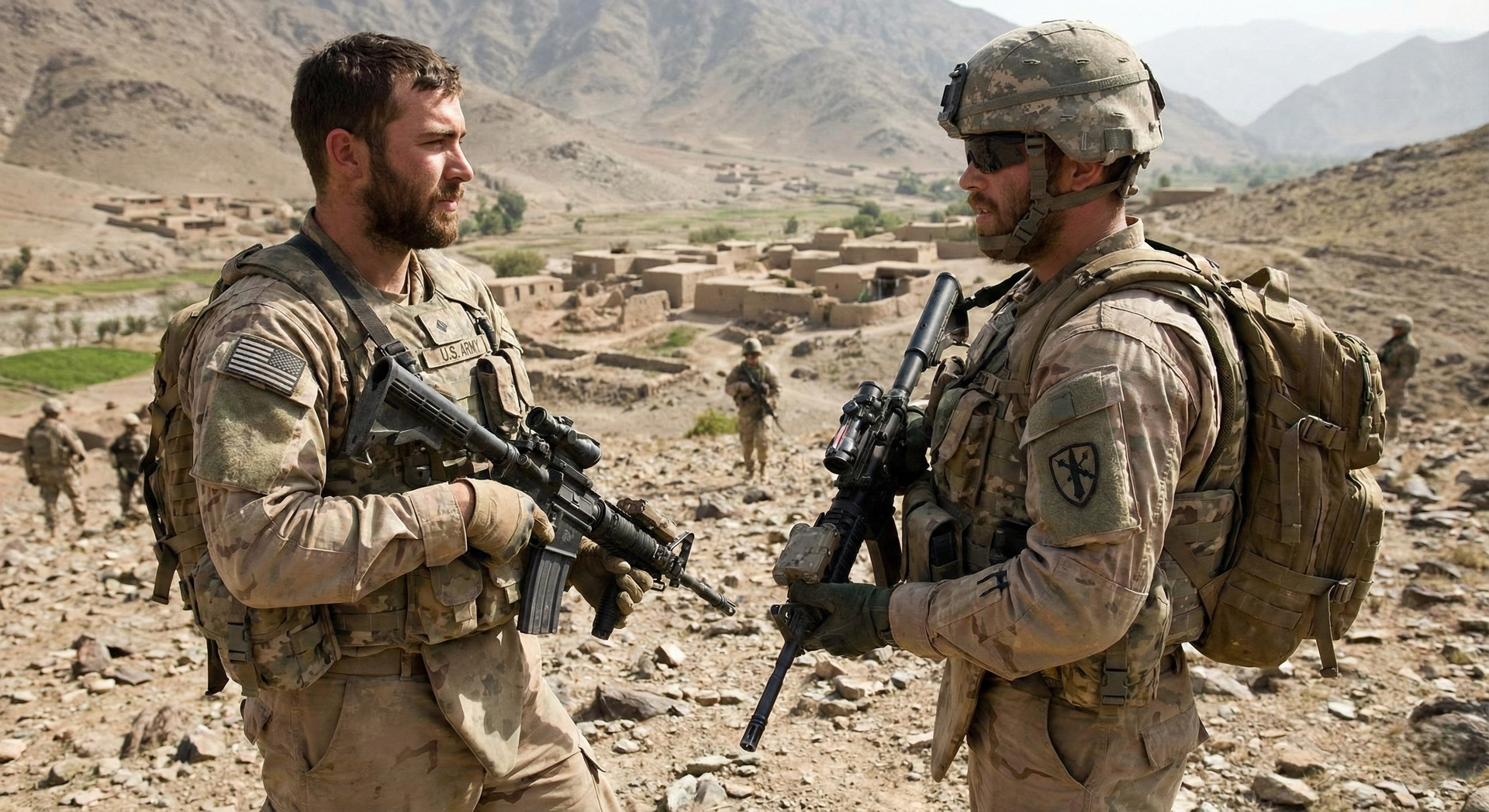
Gulf War-related claims depend in part on qualifying service. This includes service in Southwest Asia during defined periods and, in some cases, service in other locations involving similar exposures. Qualifying service may include deployment to areas involving:
- Burn pits
- Oil well fires
- Industrial pollution
- Chemical agents
- Particulate matter exposure
The VA often concedes exposure but still denies claims by demanding proof the law does not require.
Common Symptoms and Conditions
Gulf War Illness does not present as a single condition. Veterans often experience clusters of symptoms affecting multiple body systems. Commonly reported symptoms include:
- Chronic fatigue
- Joint and muscle pain
- Gastrointestinal issues
- Neurological symptoms
- Cognitive impairment
- Headaches and sleep disturbances
- Respiratory symptoms
The VA frequently attempts to fragment these symptoms into isolated diagnoses or dismiss them as unrelated. The law does not require that approach.

Undiagnosed Illness and Medically Unexplained Conditions
One of the most misunderstood aspects of Gulf War claims is that the absence of a clear diagnosis can strengthen, not weaken, the claim.
Undiagnosed illnesses and medically unexplained chronic multisymptom illnesses are explicitly recognized by regulation. When the VA denies claims because “no diagnosis was found,” it often commits legal error.
Appeals succeed when the record demonstrates chronicity, severity, and lack of alternative explanation.

Toxic Exposure and the PACT Act
Recent legislation expanded presumptions related to toxic exposure, including burn pits and airborne hazards. These changes were intended to correct decades of under-recognition.
Under these provisions, certain conditions may be presumptively service-connected based on qualifying service alone, without the need for individualized nexus opinions.
The VA continues to misapply these rules, particularly in cases involving overlapping diagnoses or conditions that developed years after service.
Why Gulf War and Exposure Claims Are Denied
Denials in these cases often rely on flawed reasoning, including:
- Demanding a single definitive diagnosis
- Ignoring the presumptive framework
- Dismissing symptoms as unrelated or “subjective”
- Overreliance on inadequate examinations
- Failure to consider the cumulative effect of symptoms
These errors are common and correctable through appeal.


The Role of Medical Evidence and Examinations
Medical evidence in Gulf War and exposure cases must be evaluated differently than in traditional claims. Examinations must address chronicity, multisystem involvement, and the absence of alternative explanations.
VA examiners often fail to apply this framework, instead defaulting to standard diagnostic logic. When that happens, the examination is inadequate.
Effective appeals identify these failures precisely.
How We Build Gulf War and Exposure Claims
These cases require meticulous development and careful legal framing. Our approach includes:
- Confirming qualifying service and exposure
- Identifying applicable presumptions
- Documenting chronic symptoms across systems
- Challenging improper diagnostic demands
- Aligning the record with governing statutes and regulations
We don't allow the VA to collapse complex exposure claims into simplistic denials.
Veteran-Led Perspective on Exposure Claims
Many Veterans spent years being told their symptoms were unrelated, unexplained, or insignificant. They adapted. They pushed through. They learned to expect denial.
The law now recognizes that those experiences were real and compensable. Enforcing that recognition requires persistence and precision.
As Veteran attorneys, we understand the frustration of fighting an invisible injury. Our role is to ensure the law does not ignore it.

Frequently Asked Questions
Do I need a diagnosis to file a Gulf War claim?
Not necessarily. Undiagnosed illnesses and medically unexplained conditions are recognized under the law.
What if my symptoms started years after service?
Delayed onset does not bar service connection in qualifying cases.
Does the PACT Act apply automatically?
No. The VA still misapplies presumptions, and appeals are often required.
Take the Next Step
If your Gulf War Illness or toxic exposure claim was denied, dismissed, or improperly evaluated, the decision may not reflect the law or the evidence.
A properly developed claim or appeal can correct that.
Request a Free Case Review
We will review your service history, symptoms, and prior decisions, and explain your options under current law.