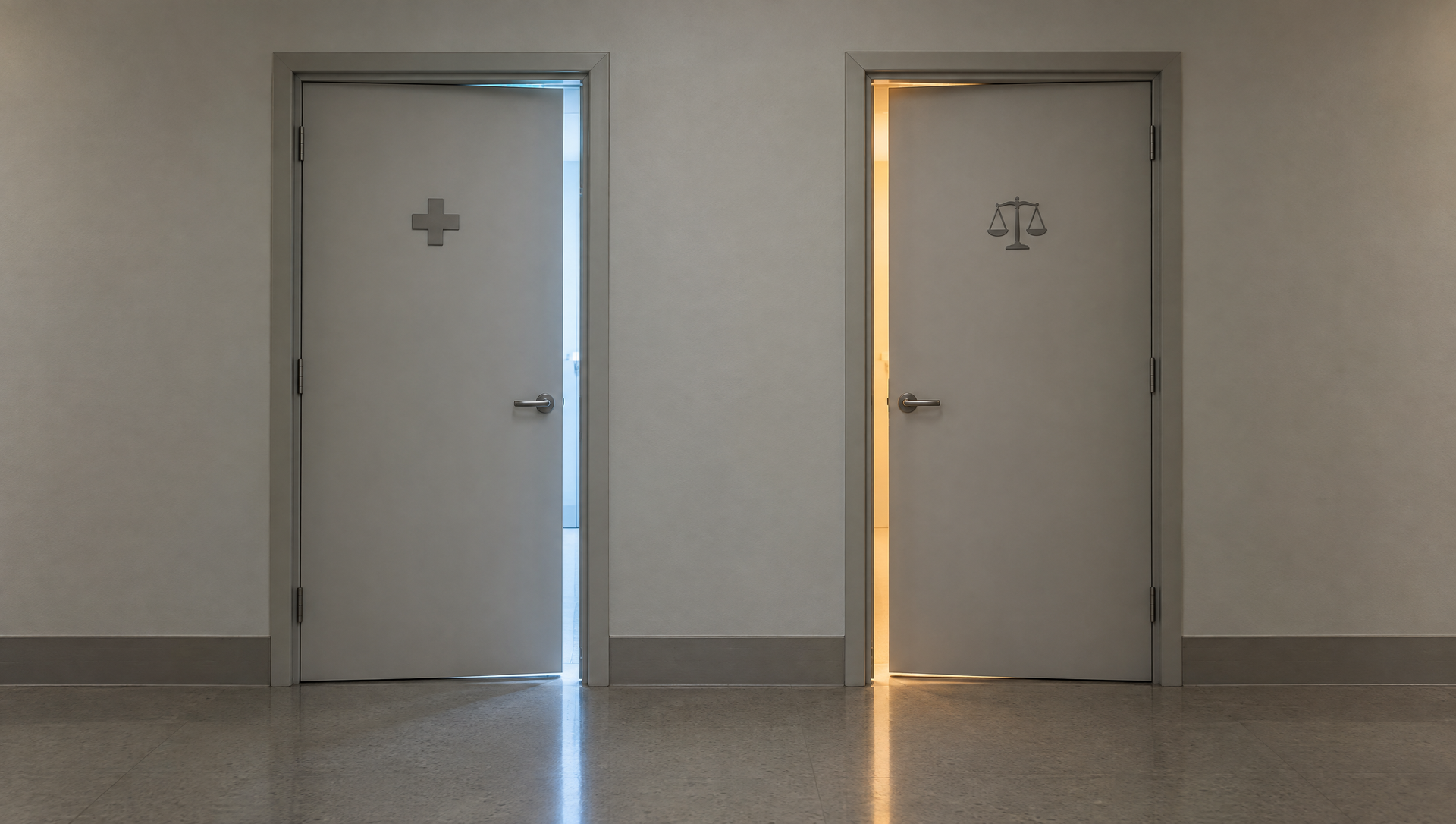
Of everything a Physical Evaluation Board can decide, "fit for duty" is the one that feels like a verdict and functions like a door slamming. It means the board looked at the conditions your
Medical Evaluation Board documented and concluded none of them keep you from doing your job. No disability rating. No severance. No medical retirement. Back to the unit, or if you're already on the way out for other reasons, out with nothing from the disability system.
Service members hear it and assume it's final. It isn't, and fit findings are among the most frequently reversed in the whole process, for a reason worth understanding before you decide whether to fight.
Why fit findings get reversed
The fitness question is specific: can you reasonably perform the duties of your office, grade, rank, or rating? Not "can you function." Not "could you do some job." The duties of your actual position, in your actual specialty, including deployability and the physical demands that come with it.
Boards get this wrong in predictable ways. They evaluate a condition in isolation rather than in combination with the others. They rely on a profile or a commander's statement that understates the limits. They weigh a good day in an exam over a year of duty restrictions in the record. Or they find a condition doesn't meet retention standards, which the MEB already decided, and then conclude it doesn't affect fitness, which is a different question with a different answer.
Each of those is an argument, and the formal board is where it gets made.
Step one: don't accept the informal findings
The Informal PEB decides on the paper record without you present. When the findings arrive, you get a short window to accept or contest them. Accepting a fit finding ends the matter. Contesting it is a right, and it costs nothing to exercise.
The form asks whether you want a Formal PEB. Check yes. You can also submit a written rebuttal to the informal findings, which is worth doing even when you're requesting the formal hearing, because it puts your argument in the record early and sometimes produces a reversal before the hearing happens.
Step two: build the fitness case
The formal hearing is where you appear, with counsel, and argue. What persuades a board on fitness looks like this:
The commander's statement, if it helps you. Commanders assess whether you can perform your duties, and a candid statement describing what you can't do carries real weight. If the existing statement is vague or inaccurate, ask for a revised one that describes the actual limitations.
Duty restrictions over time. Profiles, light duty assignments, missed deployments, failed fitness tests, reassignment away from your specialty. A pattern of restrictions is evidence that the condition affects fitness, and a board that found you fit over a two-year restriction history has a problem to explain.
Medical evidence aimed at function. Not just diagnosis, but what the condition prevents: lifting, standing, wearing gear, concentrating, sustaining a shift. A treating physician's opinion on duty limitations is more useful here than a general letter.
The combined picture. If the board considered conditions one at a time, the argument is that together they produce unfitness no single one would. Boards are required to consider the overall effect.
Your own testimony. You're the only witness who can describe what a duty day looks like with these conditions. Specific, concrete, and honest beats everything else.
Step three: know what winning opens
Reversing a fit finding doesn't end the process; it restarts the part that pays. An unfit finding sends the board to rating the unfitting conditions, which is where the
30 percent line between severance and retirement gets drawn. So the fitness fight and the rating fight are connected: the conditions you establish as unfitting are the conditions that get rated. A win that establishes one unfitting condition at 10 percent is different from a win that establishes three at a combined 40.
That's why the formal hearing should argue both at once where it can: this condition makes me unfit, and the evidence supports this rating for it.
If you've already separated
A fit finding you accepted, or lost, isn't beyond reach. The correction boards can revisit it, and for veterans who were found fit and later rated highly by the VA for the same conditions, the inconsistency is itself evidence. We've written about
that correction route, and the special review board for certain separations between 2001 and 2009 applies to some of these cases too.
Where we come in
We're a veteran-led firm, and fit-for-duty findings are among the most winnable fights in the disability evaluation system, because the record so often contradicts them. If you've just received one, or you accepted one years ago and your VA ratings tell a different story,
reach out and we'll look at whether the finding survives the evidence.