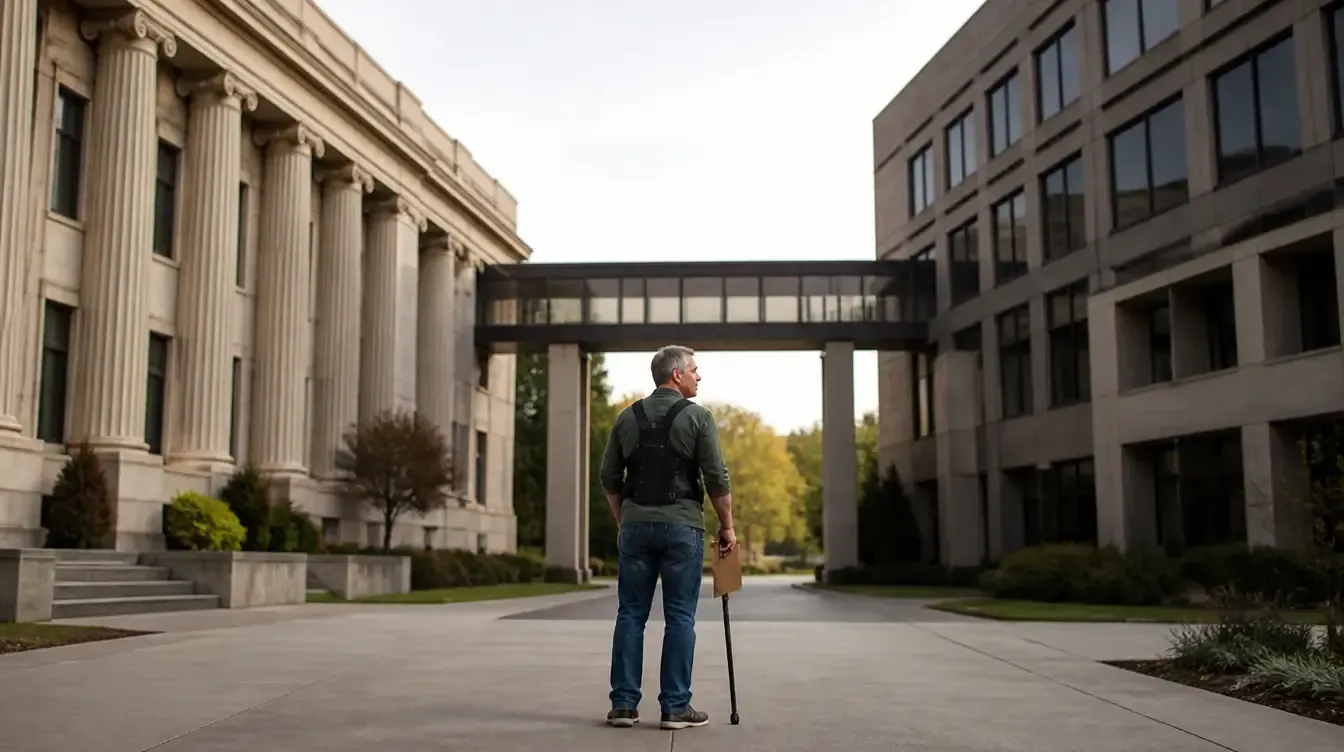
Here's a scenario that plays out in probate courts constantly. A veteran does everything right: hires a lawyer, has a living trust drafted, signs it, puts the binder on the shelf, and dies believing the family is protected. The family then discovers the house is still titled in the veteran's name, the bank accounts are still in the veteran's name, and the trust, legally speaking, owns nothing at all.
The trust was real. It just never got anything put into it. And an unfunded trust protects roughly as much as a locked safe with nothing inside.
What funding means
A trust is a container. Signing the document creates the container; funding it means moving your assets into it, which requires retitling them. Property gets deeded to the trust. Bank and brokerage accounts get retitled in the trust's name. Business interests get assigned. Until that happens for a given asset, that asset isn't in the trust, no matter what the trust document says about your intentions.
The consequence is exactly what the trust was bought to avoid. Assets outside the trust pass through probate, publicly and slowly, governed by your will if you have one and by state default rules if you don't. Families who believed they'd avoided that process find out otherwise at the worst possible time.
We've covered
the choice between a will and a trust. This is the part that comes after the choice, and it's where most trust-based plans fail.
What goes in, and how
Real estate. A new deed transfers the property into the trust. This is the single most valuable funding step for most households, and the one most often left undone. If you own property in more than one state, each parcel needs handling, since unfunded out-of-state property is what triggers a second probate.
Bank and investment accounts. Retitled in the name of the trust. Most institutions have a process and a form; it's paperwork, not litigation.
Business interests. Membership units, partnership interests, and shares get assigned to the trust, subject to whatever the operating agreement says about transfers.
Personal property of value. Vehicles, collections, and anything with real worth can be assigned, though the handling varies by asset and by state.
What stays out
Not everything belongs in a trust, and a good plan is specific about the exceptions.
Retirement accounts generally stay in your own name with beneficiary designations doing the work, because retitling them can trigger tax consequences you don't want. Life insurance typically pays by beneficiary designation as well. And we've said this in
every estate planning post we've written: those designations outrank your trust and your will both, so funding day is the right day to pull every one of them and confirm the names on file.
For veteran households specifically, one more caution. If VA pension or
Aid and Attendance eligibility is anywhere in your five-year horizon, how and when assets move carries
consequences we've mapped in detail. Revocable trust funding doesn't create the lookback problem, because revocable trust assets still count as yours. Irrevocable transfers are a different question entirely, and sequencing them without understanding the rules is how families create penalty periods they never saw coming.
The safety net, and why it isn't enough
Most trust-based plans include a pour-over will, which directs anything left outside the trust into it at your death. That's a genuine backstop, and it's worth having.
It also runs through probate to get there. The pour-over will catches assets you missed; it doesn't spare your family the process you paid to avoid. Treat it as insurance against oversight, not as an alternative to funding.
The maintenance nobody mentions
Funding isn't a one-time event, because your assets keep changing. Refinance the house and the lender may require taking it out of the trust; putting it back afterward is a step people forget. Open a new brokerage account, sell one property and buy another, start a business, and each one is an asset that needs a decision.
Put a recurring reminder on the calendar. Once a year, look at what you own and ask which of it is titled where. That review takes an afternoon and it's the difference between a plan that works and a binder that doesn't.
Where we come in
We're a veteran-led firm, and our estate planning work includes the unglamorous half: deeds prepared, accounts retitled, designations confirmed, and a written record of what's in the trust and what isn't. If you have a trust and you're not certain what's inside it,
reach out and we'll find out together.