Plenty of veterans who can't work end up dealing with two agencies at once: the VA for
unemployability benefits, and the Social Security Administration for disability insurance. The systems ask similar-sounding questions and reach independent answers, which produces two recurring frustrations: veterans who assume an SSDI award guarantees TDIU, and veterans who assume an SSDI denial sinks it.
Neither one's right. Here's how the two systems talk to each other, and where they don't.
The questions aren't the same question
SSDI asks whether you can engage in substantial gainful activity, considering
every impairment you have: service-connected, not service-connected, age-related, all of it. Age and vocational factors count in the analysis.
TDIU asks whether your
service-connected conditions alone prevent substantially gainful employment. Conditions the VA hasn't service-connected are off the table, and age isn't supposed to factor in.
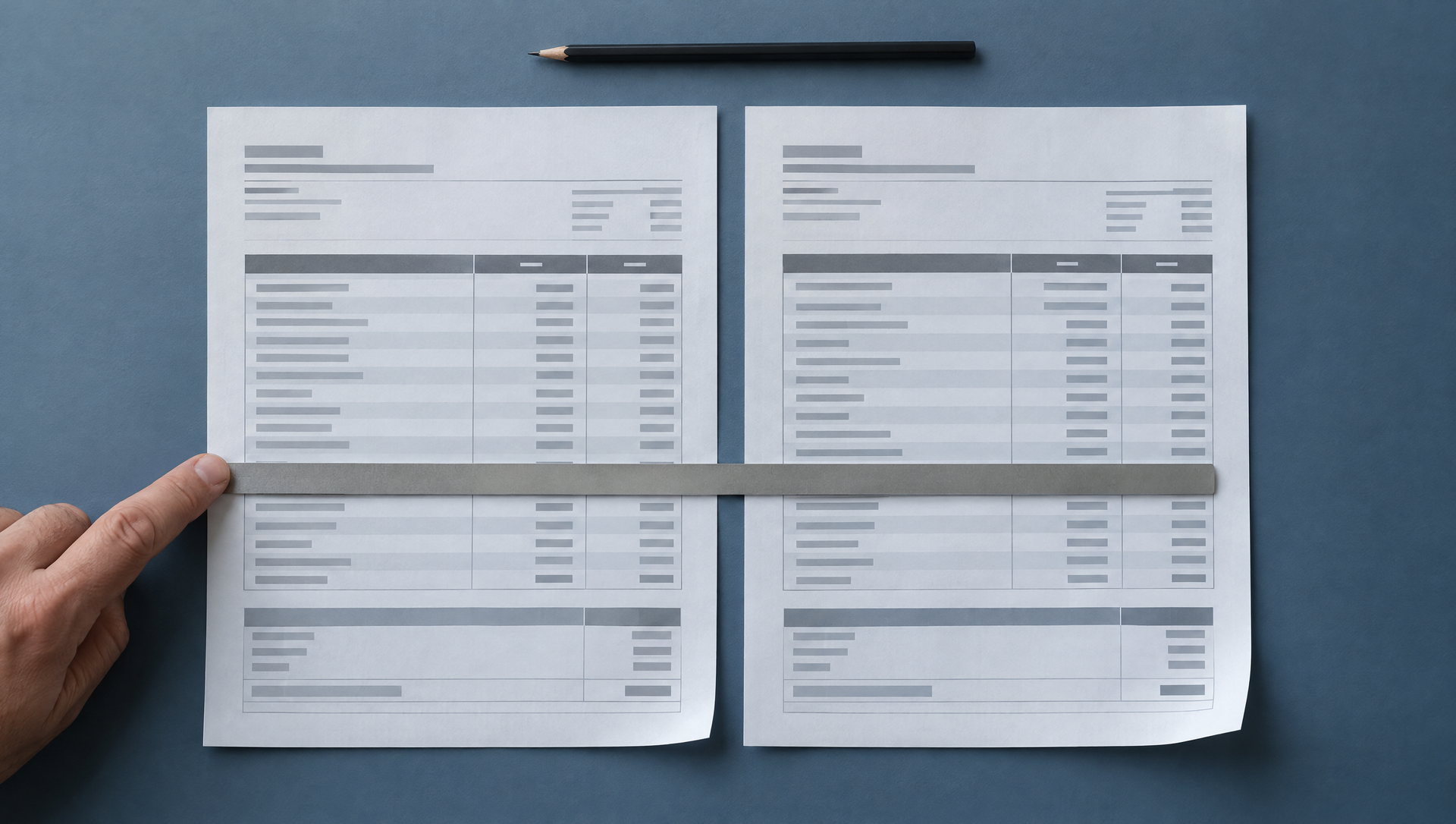
That difference explains most of the confusing outcomes. A veteran can win SSDI on the combined weight of a service-connected back and a nonservice-connected heart condition and still lose TDIU, because the VA is only allowed to count the back. A veteran can be denied SSDI at 57 for reasons tied to transferable skills and still win TDIU, because the VA's question is narrower and different.
What an SSDI award does for your TDIU claim
It's evidence, and good evidence, but the VA isn't bound by it. The VA must consider an SSA determination and the records behind it when they're relevant, and it must explain itself if it reaches a different conclusion. What it can't do is ignore the decision or wave it off without reasoning.
The most valuable part is often not the award letter at all. It's the
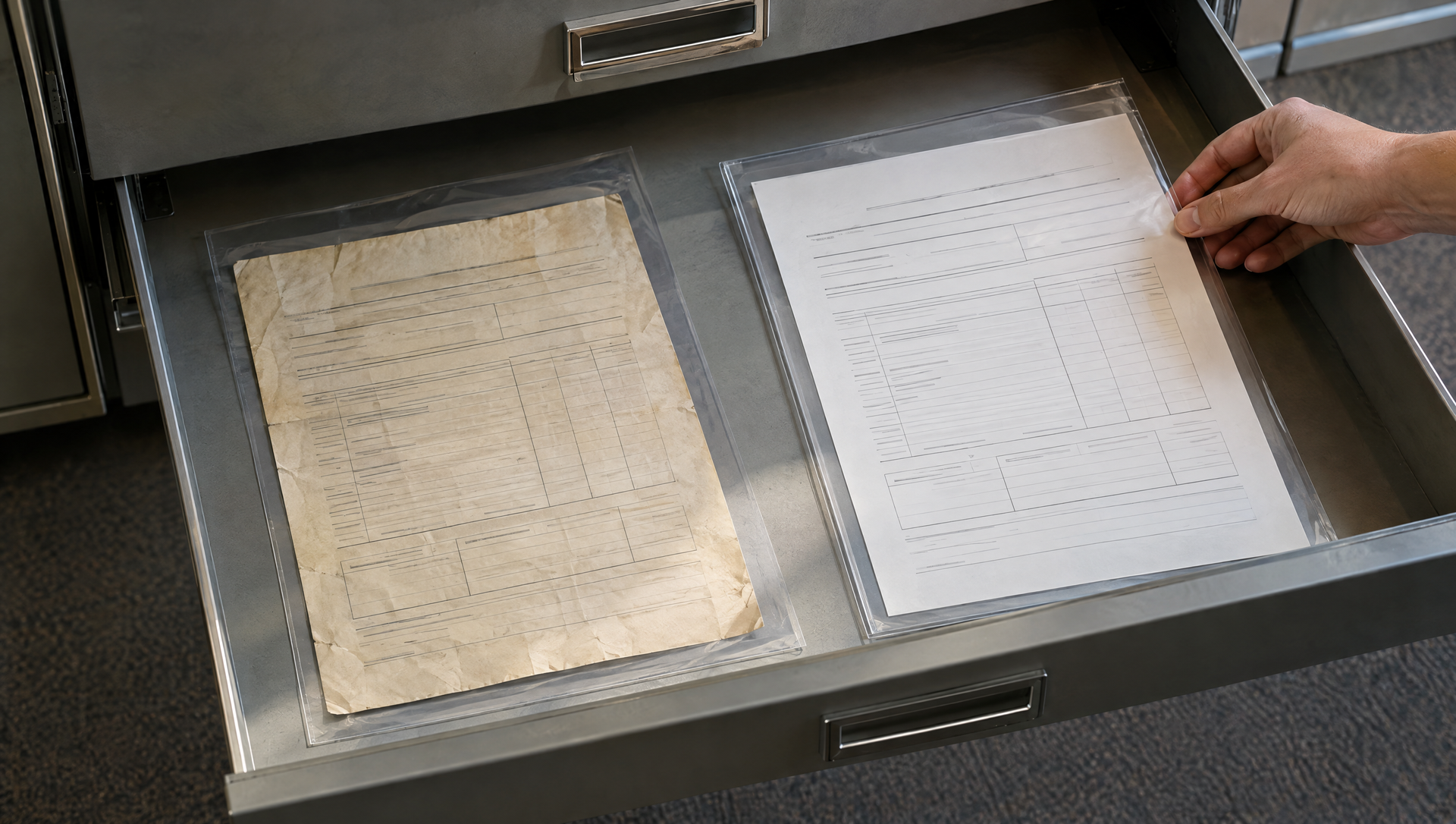
file behind it: the SSA's medical evidence, the consultative examinations, and especially any vocational expert analysis of what you can and can't do in a work setting. That material speaks directly to the TDIU question in the language the VA's decision-makers use, and it already exists, paid for by another agency. Get those records and put them in your VA claim.
If the SSA found you disabled primarily because of the same conditions the VA has service-connected, say so explicitly and point to the findings. That's the strongest version of this argument, and it's the one veterans most often leave implied.
What an SSDI denial doesn't do
Not much, if you frame it correctly. An SSDI denial may rest on transferable skills, on age categories, on a finding about nonservice-connected impairments, or on technical insured-status issues that have nothing to do with medicine. None of that answers the VA's question about your service-connected conditions.
Where an SSDI denial does hurt is when it contains findings that your service-connected conditions specifically are less limiting than you've claimed. That's adverse evidence in your file, and pretending it isn't there's how claims get ambushed. Address it head-on instead: what the record shows now, what changed, and why the VA's narrower question comes out differently.
The practical points that trip people up
Both can be received at once. SSDI and VA compensation are separate programs with separate funding, and receiving one doesn't offset the other. VA disability compensation isn't counted as income for SSDI purposes.
VA disability pension is different from compensation. Pension is needs-based, and SSDI income does count there. Veterans conflate the two constantly.
SSA has its own expedited process for veterans, including priority handling for certain veterans with high VA ratings or wounds incurred in active service. Worth asking about rather than waiting in the general line.
Work attempts affect both systems, differently. SSA has its own rules about trial work periods, and the VA has
its own rules about marginal employment. Don't assume compliance with one means compliance with the other; the thresholds and the consequences aren't the same.
Where we come in
We're a veteran-led firm, and TDIU is core work here, including the cases where an SSA file is sitting in a drawer doing nothing for a VA claim it could be winning. If you're drawing SSDI and the VA has said no, or the VA is circling and you're not sure what your SSA record shows,
reach out and we'll put the whole picture together.