Before 2019, keeping a VA appeal alive meant filing a Form 9 after your Statement of the Case. Thousands of veterans did exactly that, on time, and their appeals died anyway, closed automatically by a database that never recorded the filing. No hearing, no warning, in many cases no notice at all. Veterans waited on answers that were never coming.
That's the heart of Freund v. Collins, a class action now covering more than 90,000 veterans and surviving family members, and it's the most consequential thing happening in veterans law right now for anyone who filed an appeal before February 2019.
What went wrong
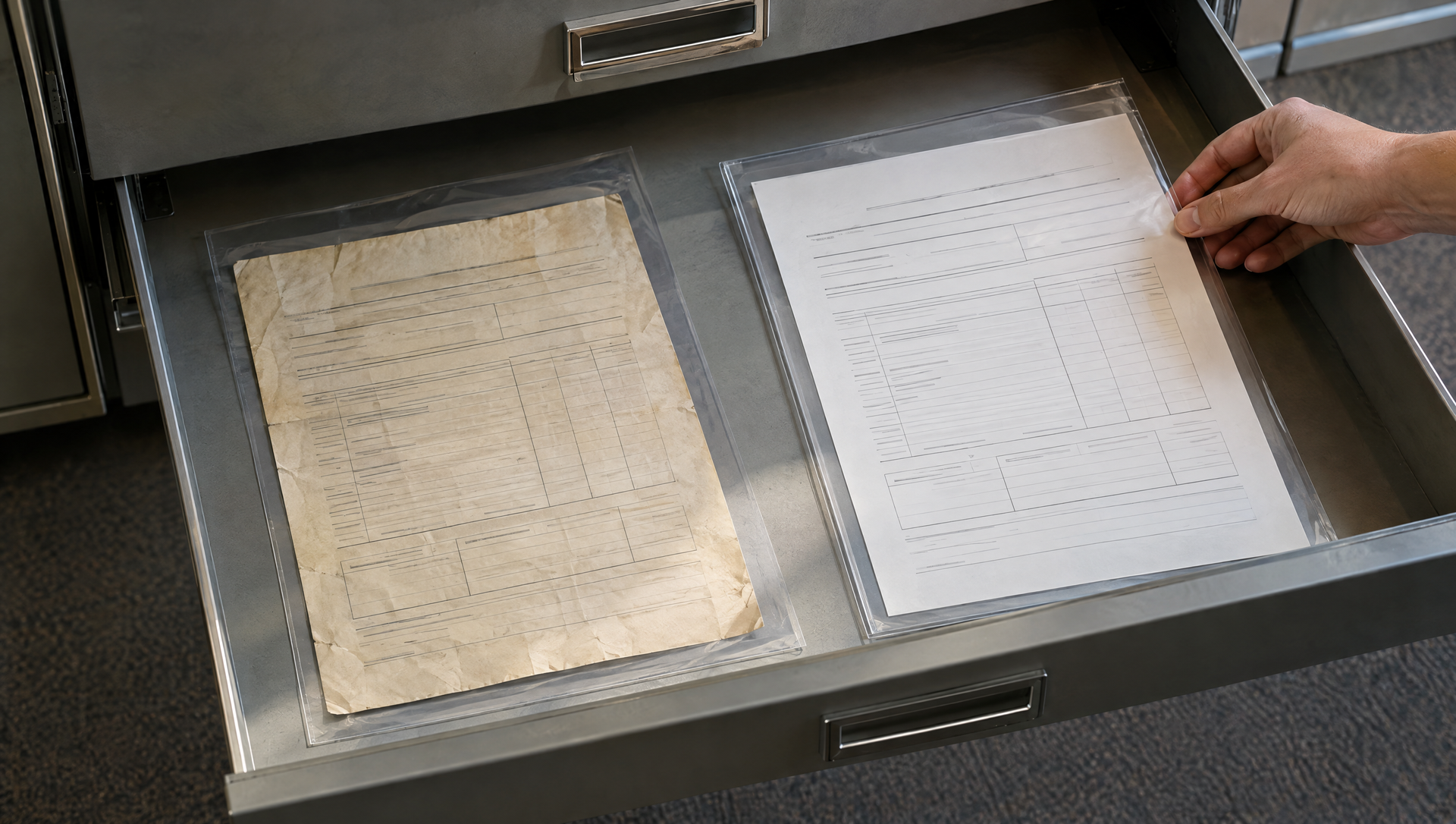
The VA tracked legacy appeals in a system called VACOLS. When the modern appeals system replaced the old one, the VA ran an automated sweep to close out legacy appeals where no timely Form 9 appeared. The sweep did what it was told. The problem was the data: VACOLS only knew what had been keyed into it, and the VA was slow entering things, so timely appeals looked like missing appeals.
The VA's own Inspector General reviewed the closures and found more than one in six were wrong. Of the flagged files the VA later examined more closely, roughly 70 percent turned out to contain a timely substantive appeal after all.
Two veterans, an Army veteran whose PTSD appeal was closed despite a timely filing and the surviving spouse of another veteran, filed suit in 2021. The Veterans Court dismissed it. The Federal Circuit reversed in 2024. The class was certified in March 2026, and a proposed settlement went to a fairness hearing on August 13, 2026.
What the settlement does, and the part veterans keep missing
Under the proposed terms, the VA audits roughly 28,258 files that most closely match the error pattern, reactivates appeals it confirms were wrongly closed, and processes them as though they had never been closed. Reactivated appeals keep their original effective dates, which is where the money lives: back pay can reach to closures as far back as 1990.
Now the part that will decide whether this settlement actually helps people. Another 64,599 files met most of the search criteria but not all of them, and the VA will only review those
on individual request. Nobody audits them automatically. The veteran, or the survivor, has to ask.
That's tens of thousands of families whose relief depends entirely on knowing they can raise their hand. And the class window is wide: appeals closed between December 1990 and February 2025 are potentially in scope.
What to do about it
If you get a letter mentioning Freund, don't ignore it. VA mail is easy to file under "later," and this is the wrong envelope for that.
If you filed a legacy appeal that simply went silent, speak up even without a letter. That's the 64,599 problem in one sentence. Under the proposed settlement, claimants generally have about a year after final court approval to notify the VA that an appeal may have been wrongly closed.
Pull your file and check. Your
C-file is where you find out whether a Form 9 went in and what happened after. If your recollection is that you appealed and then heard nothing for years, that's the fact pattern.
If you're a survivor, this includes you. Class membership reaches surviving family members, and reactivated appeals that win pay accrued benefits, which connects directly to
what survives a veteran's death.
The bigger pattern
Freund belongs to a run of cases forcing the VA to account for claims that died in silence rather than by decision, alongside
the end of implicit denials. The theme is consistent, and so is the lesson: an appeal you never heard back about is not the same as an appeal you lost, and the years between then and now may still be owed to you.
One caution. Until the court issues final approval, the settlement's terms remain proposed. Watch for the court's decision, and treat anyone promising guaranteed Freund outcomes with the same skepticism you'd give any other pitch.
Where we come in
We're a veteran-led firm, and old appeals that vanished are exactly the files we dig into: what you filed, what the VA recorded, and what the original effective date would be worth today. If you appealed before 2019 and never got an answer,
reach out
and we'll find out what happened to it.