There's a hard fact at the center of this post, so let's say it plainly. When a veteran dies, their VA disability compensation stops. The monthly payment doesn't transfer to a spouse, doesn't pass through a will, and doesn't continue for the household that depended on it.
But that fact, standing alone, misleads a lot of families into walking away from money they're owed. Because three things can survive the veteran: a pending claim, benefits the VA owed but never paid, and a monthly benefit for survivors that exists in its own right. Most families don't know about any of them, and each one runs on a short clock. Making sure your family knows this before they need it is estate planning, every bit as much as the will is.
What stops, and what doesn't
Think of it in three buckets.
The monthly check stops. Compensation is paid to the veteran for the veteran's disability. When the veteran dies, that entitlement ends. Nothing in a will changes that.
Money already owed doesn't vanish. If the VA owed the veteran benefits it hadn't paid yet, a decided claim not yet paid out, or an underpayment stretching back years, those are called accrued benefits, and eligible survivors can claim them. But the window is short: the VA generally must receive the claim within one year of the death.
A pending fight doesn't have to end. This is the one families lose most often. If the veteran died with a claim or appeal still pending, an eligible survivor can step into the veteran's shoes and carry it forward. The VA calls it substitution, it's requested on VA Form 21P-0847, and it also has to be filed within one year of the death. If the claim wins, the retroactive benefits the veteran was fighting for get paid. Years of back pay don't have to be buried with the person who earned them.
One year. That's the clock on both. A grieving family that doesn't know these exist can run out the clock without ever realizing there was one.
DIC: the survivor's own benefit
Separate from all of the above is Dependency and Indemnity Compensation, or DIC. This is a tax-free monthly benefit paid to eligible surviving spouses, and in some cases children or parents, in their own right. It isn't the veteran's compensation continuing; it's a new entitlement that belongs to the survivor.
The path most people know is service-connected death: the veteran died from a condition connected to their service, including complications of one. What far fewer families know is the second path. If the veteran was rated totally disabled for a long enough period before death, generally ten years, a surviving spouse can qualify for DIC even if the death had nothing to do with service. A 100% rated veteran who passes from something entirely unrelated can still leave a spouse eligible.
That second path is exactly why the fights we help veterans wage during life, for the right rating, the right
unemployability status, and the right
effective date, are quietly estate planning too. The rating a veteran holds, and how long they've held it, can decide what their spouse lives on afterward.
Survivors apply for DIC, survivors pension, and accrued benefits on one form, VA Form 21P-534EZ. And the same Intent to File tool veterans use works for survivors: filing VA Form 21-0966 protects the date while the full application comes together.
The estate-planning moves that actually matter here
None of this requires a trust or a lawyer's vault. It requires the veteran to do a few unglamorous things while they're able.
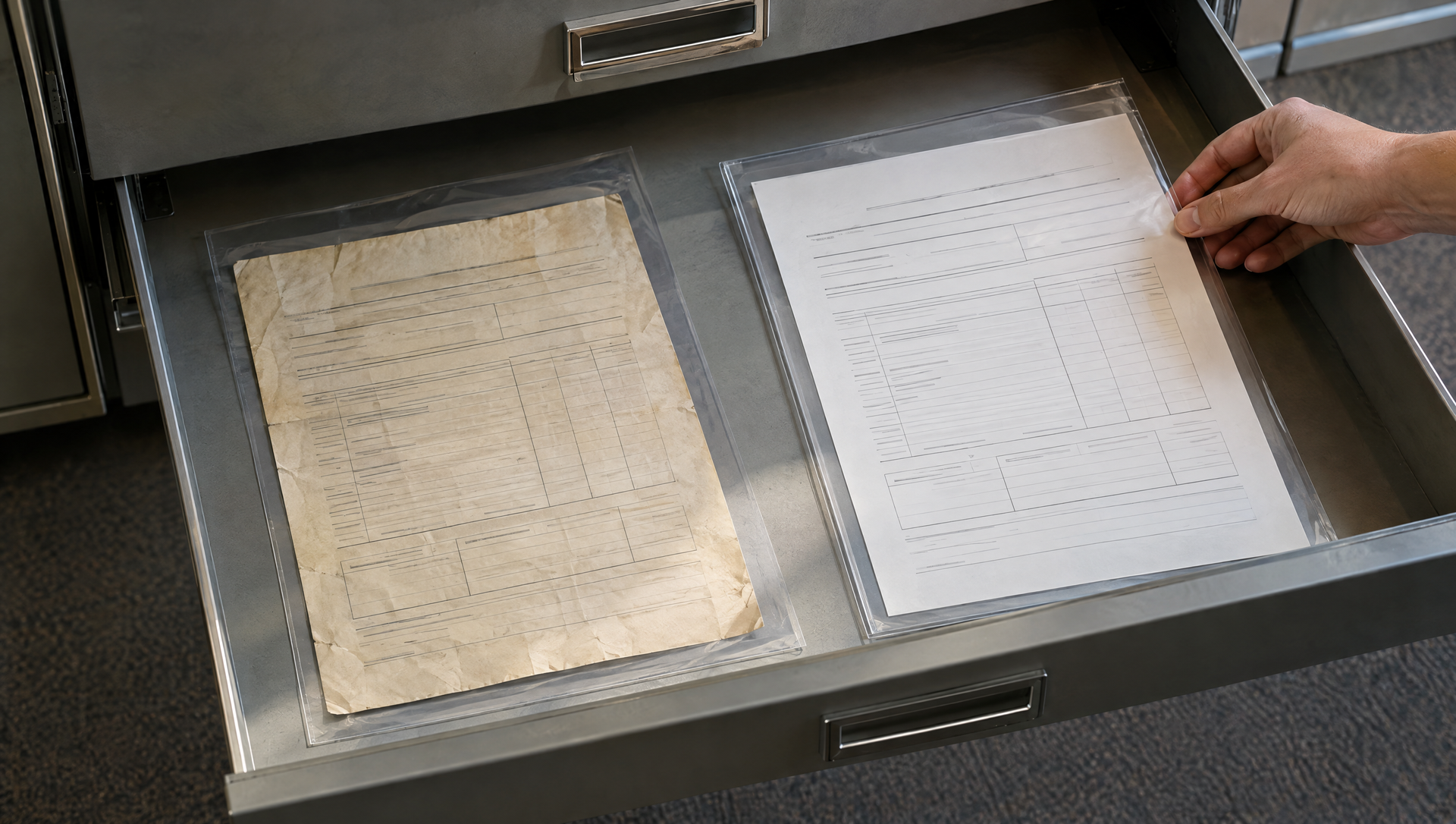
Leave a map. Your claims file, your rating decisions, your VA file number, where the records live, and the name of the firm or rep who handled your appeals. A single folder, physical or digital, that your spouse knows about. Families lose accrued benefits and substitution rights not because the law is against them but because they didn't know a claim existed.
Tell your spouse the one-year rule. Accrued benefits and substitution both generally die at twelve months. If your family knows nothing else, they should know that after a veteran's death, someone should look at the VA situation within the first few months, not the second year.
Keep the fight going while you're here. A pending appeal is an asset. Abandoning a strong claim doesn't just cost you; it can cost your survivors the retroactive award they could have substituted into. And pushing a rating to where it belongs, sooner rather than later, is what starts the clock on that ten-year DIC path.
Fold it into the rest of the plan. Beneficiary designations on life insurance, the will, powers of attorney: the VA pieces should sit alongside them, not in a separate mental drawer. When we help families with
estate planning, the VA benefits conversation is part of it, because for most veteran households the VA entitlements are one of the largest assets in the picture.
What survivors should do in the first months
If you're reading this after a loss, the order of operations is simple. Report the death to the VA. Then, before anything else lapses, find out whether the veteran had any claim or appeal pending and whether the VA owed anything unpaid; that's where the one-year substitution and accrued windows are running. File the Intent to File early to hold the date. Then look at DIC, both paths: was the death connected to service, even partially, and what was the veteran rated in the years before death? The answer to the DIC question isn't always obvious, and "the death certificate doesn't mention a service-connected condition" is not the end of the analysis.
Where we come in
We're a veteran-led firm, and we work both sides of this line: the ratings and appeals fights during a veteran's life, and the survivor claims, DIC denials, and substitutions after it. If you're a veteran who wants your family protected, or a surviving spouse staring at a system you never expected to deal with alone,
reach out. We'll tell you plainly what survives, what's owed, and what the clock looks like.