

The VA Wants to Shrink Its Application Forms. Comment Now, File Anyway.

Brad Cummings • 29 August 2026

Share this article

Simpler applications are coming for claims, DIC, and pension. Shorter forms have never been the reason claims fail.

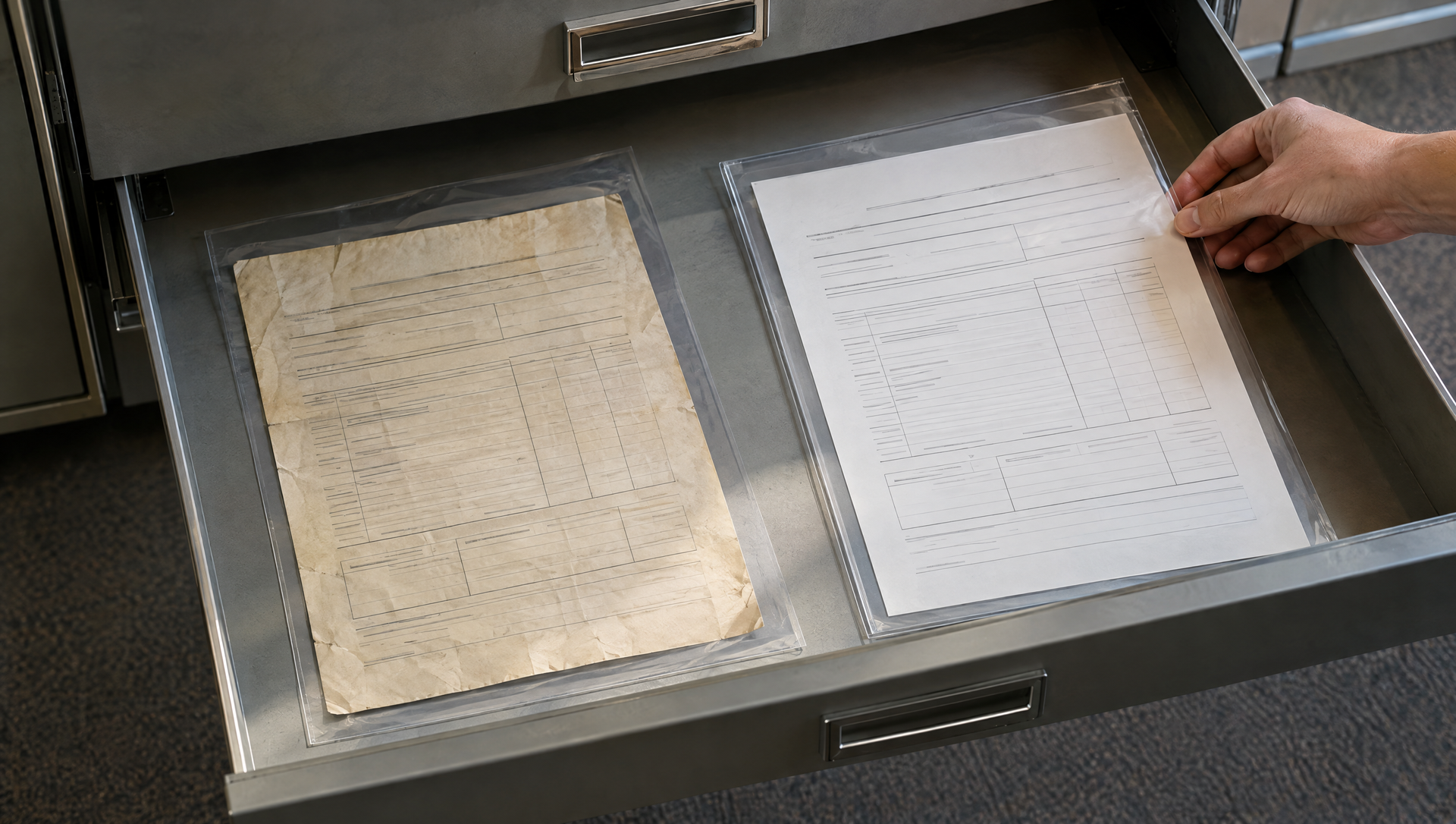
The VA has proposed cutting the paperwork required to apply for benefits, with simplified forms for disability compensation and for the survivor side, DIC, survivors pension, and accrued benefits. The proposals are open for public comment, and the department projects the new forms will be available around December.


Fewer pages is a real improvement for anyone who has stared down a VA application while managing a condition that makes paperwork hard. But there's a gap between what a shorter form fixes and what actually sinks claims, and understanding that gap is how you use this change instead of being lulled by it.


What a shorter form fixes


Real things, honestly. Application burden keeps people from filing at all, and the veterans it keeps out are disproportionately the ones with the conditions that make forms punishing: TBI, PTSD, chronic pain, anything affecting concentration and follow-through. Every field removed is a barrier removed for someone who has been meaning to file for three years. Shorter forms also mean fewer places to make a technical mistake that stalls processing.


If the redesign lands well, more veterans start claims. That's worth something on its own.


What a shorter form doesn't fix


Here's the part to internalize: claims are decided on evidence, not on applications. We've written the whole seven-mistake list, and not one of those failures is caused by form length. Waiting to file. Claiming three conditions when you carry seven. Filing on symptoms with no diagnosis behind them. Sending in a thin file and trusting the VA to build the rest. Toughing out the exam. Accepting a wrong first decision. A two-page form and a twelve-page form produce identical denials when the file underneath is empty.


There's even a subtle risk worth naming. A form that feels quick can invite a quick claim, and quick claims are how veterans end up under-claiming conditions and skipping the records work that decides the outcome. Ease of entry is a feature. Treating the application as the whole job is the mistake it can encourage.


Two things to do about this now


Comment, if you have something to say. The proposals are in a public comment period, which is the one moment when a veteran's actual experience of these forms can shape them. Comments from people who have filled these out in the real world carry weight that abstract policy argument doesn't.


Don't wait for December. This is the practical instruction. New forms arriving in a few months is not a reason to delay a claim you could file today, because your effective date runs from when you file, not from when you file conveniently. Every month spent waiting for a friendlier form is a month the VA will never owe you. File on today's paperwork, or plant an Intent to File this week and build the claim while the clock is protected.


Where we come in


We're a veteran-led firm, and paperwork has never been the reason we exist; the evidence is. Through Valor First Claim we represent veterans on initial claims at no charge, on whatever forms are current, and we build the file that the form is only the front door to. If a claim has been sitting on your list, reach out and let's start it now.

Recent Posts

Person sorting blank cardstock into a brown file organizer on a wooden table.
by Brad Cummings 6 September 2026
An upgrade unlocks benefits but delivers none of them. The corrected DD-214, the VA claims and effective dates, and the benefits veterans forget to chase.
Four people sit talking on a patio around a coffee table in a covered outdoor seating area.
by Brad Cummings 6 September 2026
Leaving everything outright to a second spouse can disinherit your children. The trust structure that protects both, plus the veteran-specific traps.
Person walking in a modern courtyard between tall buildings and glass doors.
by Brad Cummings 6 September 2026
The Supreme Court will decide whether veterans can challenge benefits laws in district court. The case, the stakes, and the incarceration rule behind it.
Person sketching designs in a notebook at a wooden desk by a window, with several drawing pages nearby
by Brad Cummings 6 September 2026
Eleven of fifteen body systems are rewritten; four remain, including sleep apnea and mental disorders. Where the rulemaking stands and what it means now.
Hand placing a file into an open filing cabinet in a sunlit office room
by Brad Cummings 6 September 2026
A VA database wrongly closed tens of thousands of legacy appeals. What the Freund settlement reopens, who must request review, and how far back pay reaches.
Stack of worn books on a curved conveyor belt in a dim industrial room.
by Brad Cummings 29 August 2026
A remand sends your case back for development the VA skipped. Why it happens, how the loop forms, and the compliance argument that breaks it open.
Person organizing stacks of paper at a desk in a sunlit room, with a clock and bookshelf behind.
by Brad Cummings 29 August 2026
How long you've held a rating changes what the VA can do to it. The stabilization rule, the ten-year lock, the twenty-year lock, and what P&T really means.
Three people in a counseling session, seated around a desk with a doctor pointing at a scan on a monitor.
by Brad Cummings 29 August 2026
New legislation would permanently expand the VA's precision oncology program. What it would change, plus the rating trap that costs veterans after treatment.
Woman pinning a note on a wall beside a kitchen, holding papers in a sunlit home.
by Brad Cummings 29 August 2026
The VA now pays survivors whichever is greater, DIC or pension, from one claim. What changed, plus the two one-year deadlines tied to nursing home care.
Person video conferencing on a laptop at a desk in a bright home office
by Brad Cummings 22 August 2026
Records review or personal appearance? What discharge board hearings look like now, who benefits from appearing, and how to prepare if you elect one.
Show More