We read a lot of denied first claims in this practice, and the striking thing isn't how varied the failures are. It's how repetitive. The same handful of mistakes, made by veterans with genuinely strong cases, produce most of the denials and lowballs we're later hired to fix. None of them require bad luck. All of them are avoidable on the front end, which is the entire point of this post.
Mistake one: waiting
The claim you file next year pays from next year. We've written a
whole post on why the date is money, so here it's one line: every month between "I should file" and filing is a month the VA will never owe you. The fix costs nothing: an Intent to File plants your date today while you build the claim properly.
Mistake two: under-claiming
Veterans file for the worst thing and carry the rest silently: the knees but not the tinnitus, the back but not the sleep, the visible injury but not the mental health. Each documented condition is its own potential rating, and conditions you skip now become harder, later claims with later dates. Inventory everything, run each through
the records you gathered, and claim what you can support. Filing for seven conditions isn't greedy; it's accurate.
Mistake three: filing on symptoms instead of diagnoses
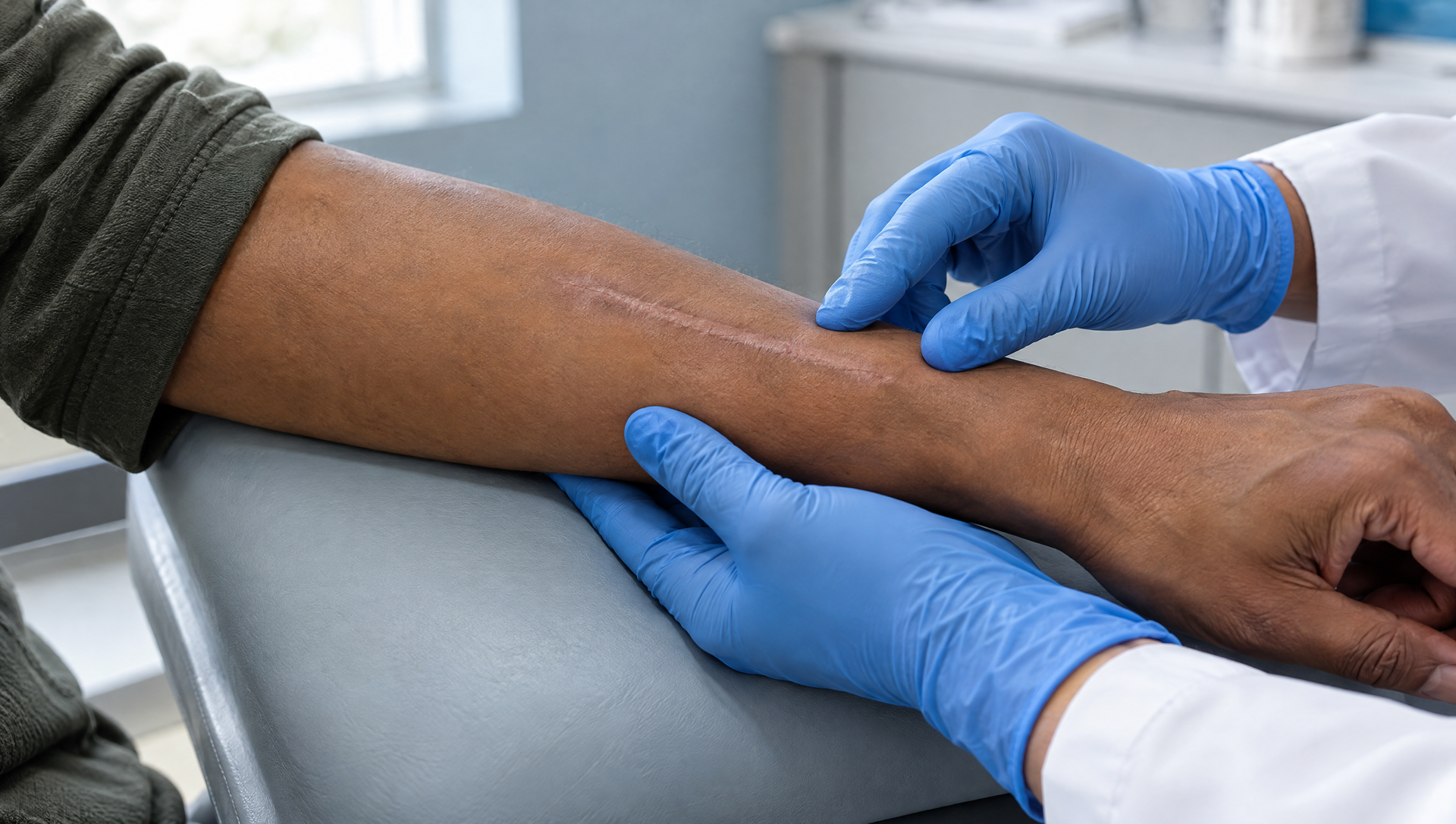
"My shoulder is destroyed" is a sentence. "Diagnosed rotator cuff tear" is a claim element. The VA compensates diagnosed conditions, and a claim filed for something no clinician has named is a claim with its foundation missing. If you've been toughing something out undiagnosed, the first move isn't the form; it's the appointment.
Mistake four: assuming the VA will build your case
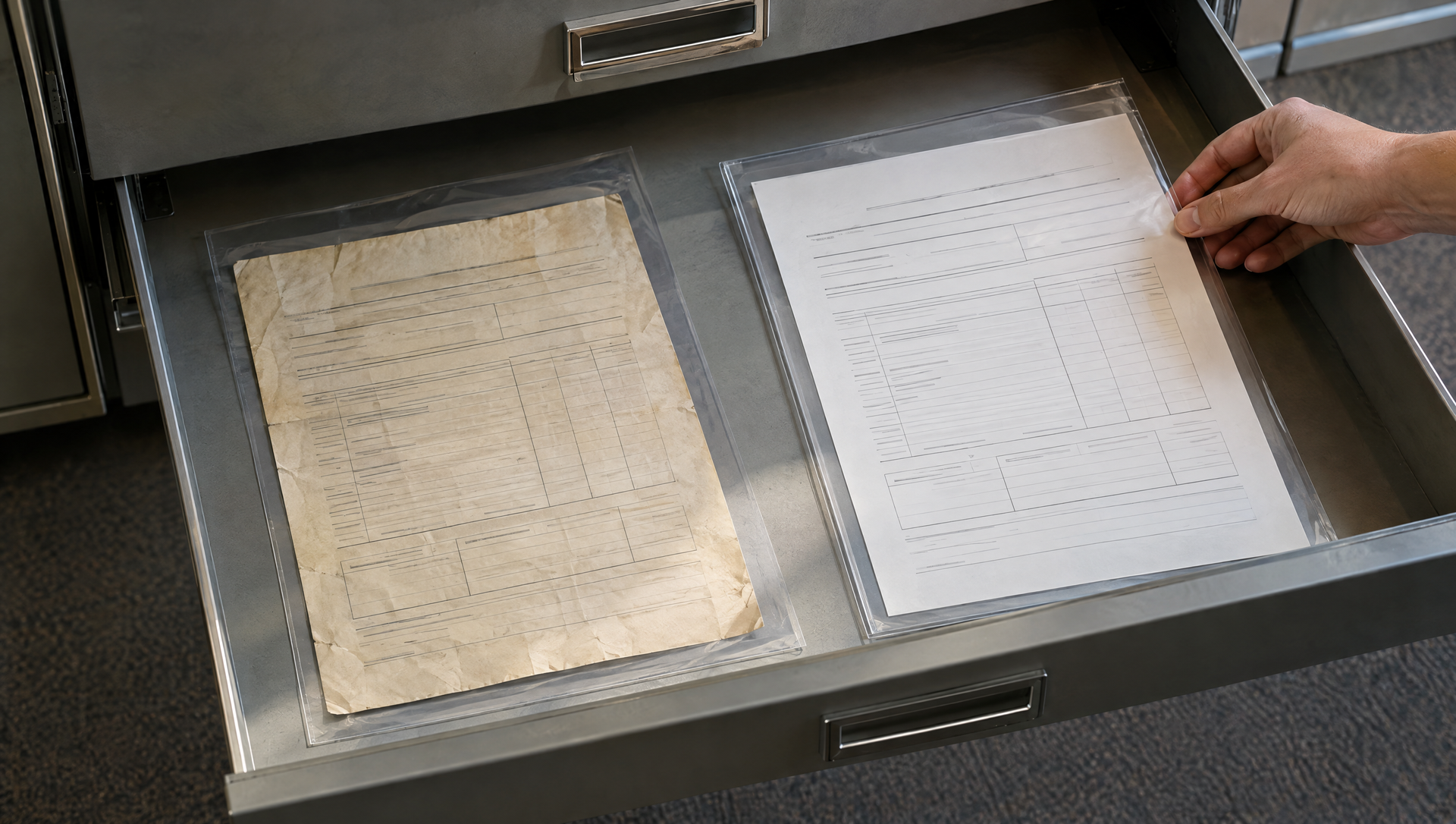
The VA has a duty to assist, and it's real, and treating it as your evidence strategy is how claims starve. Requests miss, providers don't respond, and the decision gets made on whatever arrived. The veterans who do well hand the VA a built file: records pulled,
statements written, gaps filled with witnesses. Hope is not a claims strategy.
Mistake five: toughing out the C&P exam
The single most common self-inflicted wound. You spend twenty years trained to say "I'm good," then repeat it to the one examiner whose notes become your rating. We wrote
the full guide; the short version is that the exam measures your real condition, flare-ups and worst days included, and describing only your functional days rates only your functional days. Honest, specific, complete. And never, ever no-show.
Mistake six: the silence problem
Plenty of real conditions have thin service records, because you didn't report the injury, the harassment, the symptoms, at the time. Veterans treat that silence as disqualifying and either don't file or file bare. It isn't disqualifying; it's a gap that lay evidence exists to fill. Your own detailed statement and the accounts of people who were there are evidence, legally and practically. The mistake isn't the thin record. It's leaving it thin.
Mistake seven: quitting at the first decision
Not strictly a filing mistake, but it belongs on the list because it's where all the others compound. First decisions get things wrong at rates that would embarrass any other system: conditions skipped, exams botched, ratings lowballed, dates misset. Veterans read the envelope as a verdict and walk away from money they'd win on review. A first decision is a first draft. If yours comes back wrong, the
appeal lanes exist precisely because wrong first decisions are ordinary.
The pattern underneath
Read the list again and it's one mistake wearing seven outfits: treating the claim as a form to submit instead of a case to build. The form takes an afternoon. The case takes the diagnosis, the records, the statements, the exam done right, and the willingness to keep pushing when the first answer is wrong. That's not complexity for its own sake; it's what "decided on the evidence" actually demands.
Where we come in
We're a veteran-led firm, and we now work both ends of this list:
Valor First Claim puts accredited attorneys on your initial claim at no charge, building the case so the mistakes above never happen, and our
appeals practice fixes the decisions where they already did. Whichever end you're standing on,
reach out and we'll tell you honestly what your claim needs.