Every piece of evidence advice we've given, the
nexus letters, the
buddy statements, the
C&P preparation, shares one assumption: that you know what's already in your file. Most veterans don't. They're building a case blind against a record they've never read, and the VA decides claims from that record, not from what you meant to be in it.
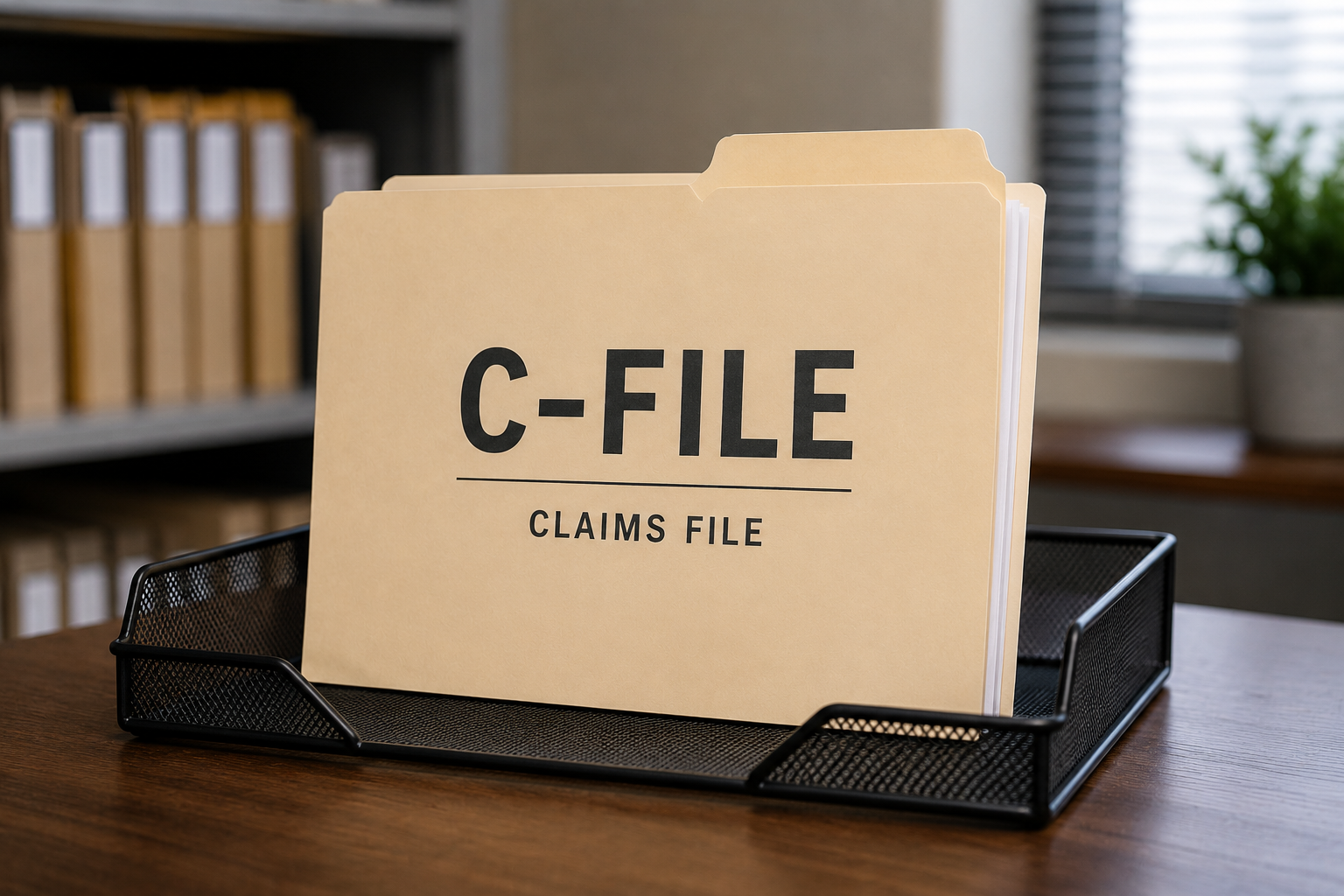
The record has a name: the claims file, or C-file. And requesting yours is the closest thing to reading the other side's case notes that this system allows.
What's actually in it
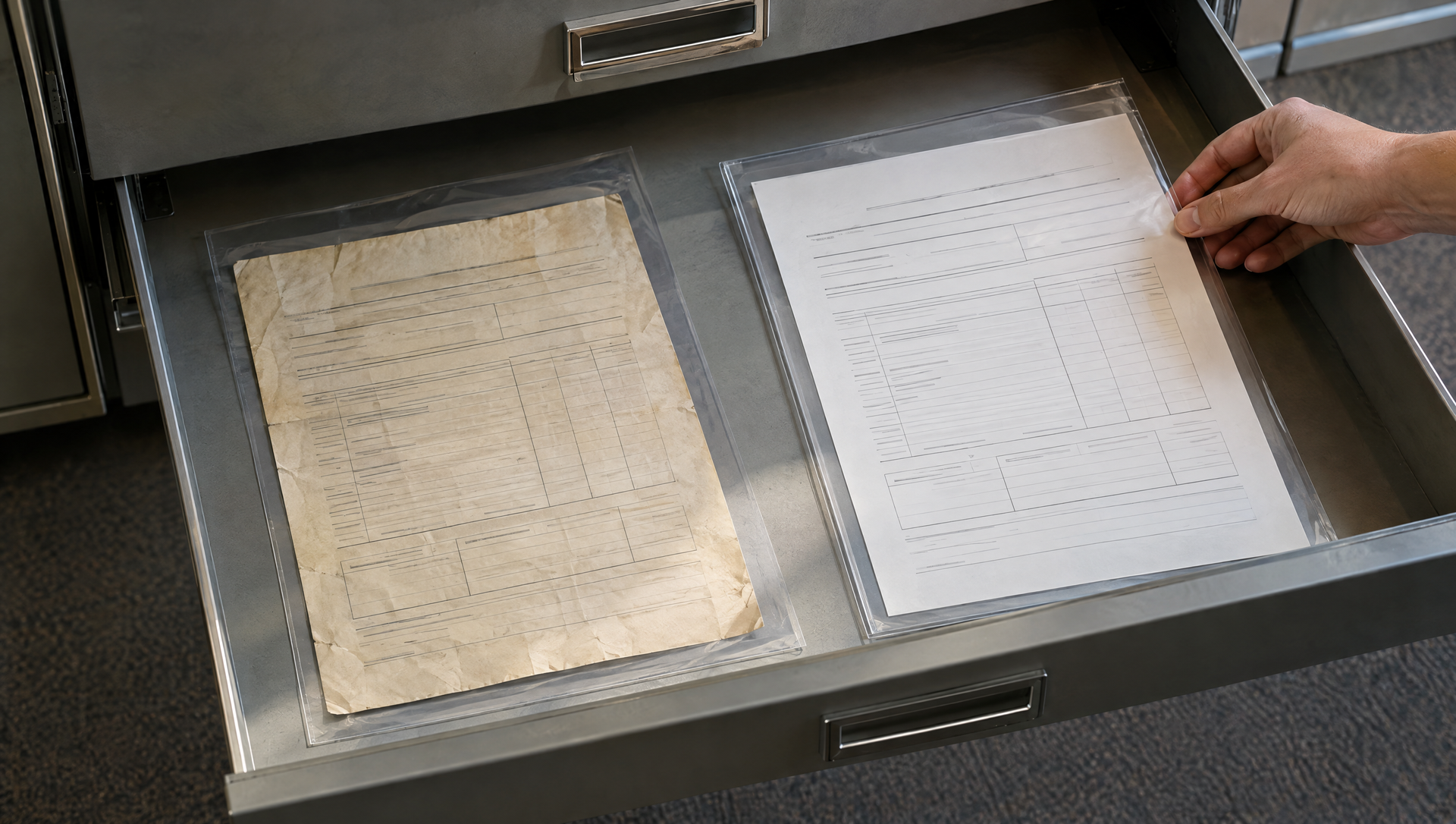
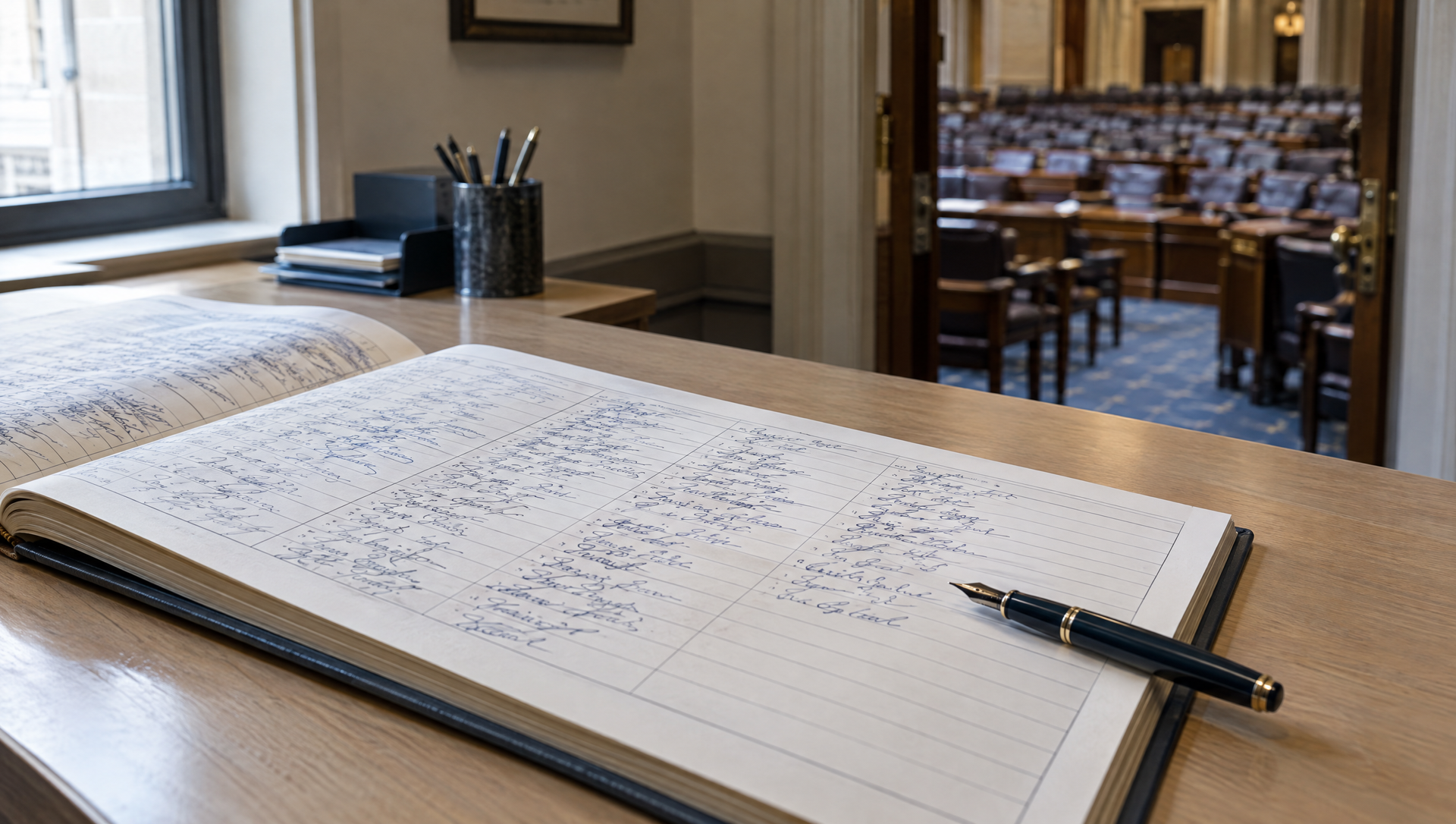
Your C-file is the VA's complete working file on you, and for veterans with any claims history it's often hundreds or thousands of pages: your service treatment records as the VA has them, every application and statement you've submitted, every C&P exam report in full (including the opinions and rationales the decision letter only summarized), every rating decision with its internal reasoning, the deferred issues, the medical records the VA obtained, and the correspondence trail. If the VA knows it, it's in there. If it's not in there, the VA doesn't know it, no matter how obvious it feels to you.
Read that last sentence again, because it's the entire strategic value of the exercise.
Why reading it changes cases
You find what the VA is missing. The private records you assumed were obtained and weren't. The sick call visit you remember that never made it into the STRs the VA holds. Every gap you find is a gap you can fill, deliberately, instead of discovering it inside a denial.
You find what's working against you. The exam opinion that quietly concluded against you in language the decision letter softened. The "condition resolved" notation from 2011 that every rater since has leaned on. You can't rebut evidence you don't know exists, and adverse evidence sits in C-files for years doing silent damage.
You find money. Old claims that were never adjudicated, the kind
the courts just forced the VA to reckon with. Effective-date errors visible only when you compare what you filed against what got decided. Conditions noted in service records that were never claimed and are still claimable. C-file reviews are where
CUE arguments and Nehmer-type retroactive fights get found, because those fights live entirely in the old record.
You stop being surprised. Walking into a C&P exam, a hearing, or an appeal knowing exactly what the file shows converts you from a passenger into a participant.
How to get it
You have a legal right to your file. The current routes, in rough order of usefulness: request it through the VA's records channels (the VA now processes claims-file requests through its online privacy/records request process, and requests can also be made in writing to your regional office), through your accredited representative, who can often access the electronic file directly, or by asking at a regional office. Expect the process to take time, sometimes a long time; the request is free, and you should make it well before you need the file rather than the week of a deadline. And request the
complete file, not a summary.
One honest warning: the file arrives as a mountain, disorganized and unbound, with documents in no order a human would choose. Budget real time, sort as you go (decisions in one pile, exams in another, service records in a third), and take notes with dates. The mountain is the point; the case is in there.
What to do with what you find
Match the file against your claims history, item by item: what did I claim, what did the VA decide, what did it skip, what evidence did each decision actually rely on? Flag every gap, every adverse opinion, every skipped issue, every date that doesn't line up. Then build accordingly: fill the gaps with records and statements, rebut the adverse opinions with better medicine, and put the skipped issues and wrong dates
in front of the VA as the appeals they are.
This is also, frankly, where professional review earns its keep. A veteran reads their C-file for what happened; a practitioner reads it for what's actionable, and the difference between those two readings is where the recovered money usually lives.
Where we come in
We're a veteran-led firm, and the C-file review is where nearly every case we take actually begins: the buried opinions, the skipped issues, the dates that don't survive scrutiny. If your file has never been read by someone who knows what to look for,
reach out, and if you're just starting out,
Valor First Claim builds initial claims with the record in hand from day one, at no charge, which is how it should always work.