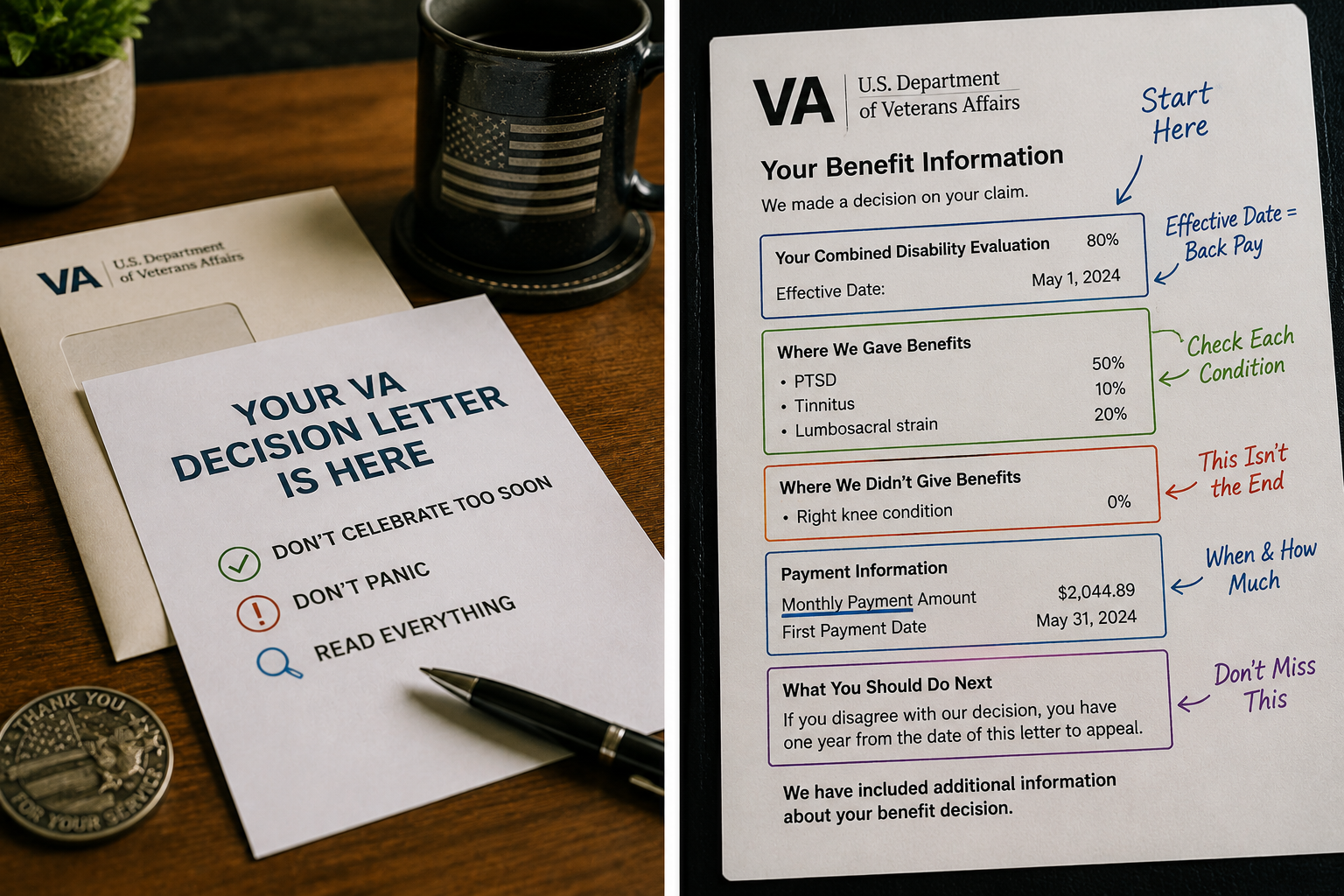
Months after filing, the decision arrives, and every veteran does the same thing: hunt for the rating, find the dollar figure, and file the rest of the packet in a drawer, in a mood set entirely by those two numbers. Granted at 70%? Celebration, drawer. Denied? Anger, drawer.
Both reactions skip the actual document. A VA decision letter is a structured legal instrument with several distinct parts, and the parts nobody reads are where under-ratings, wrong dates, and skipped conditions hide, often for years, often forever. So here's how to read the whole thing, section by section, with the checks that matter at each stop.
Check one: the issue list
Before anything else, find the list of what was decided and compare it, line by line, against what you claimed. This is the check the
Hamill decision just made more valuable than ever: the VA must explicitly address every issue, and an issue that appears nowhere in the decision may not be denied at all; it may still be legally pending. Claimed seven conditions and see six decided? That seventh isn't gone. It's unfinished business, and it's yours to chase.
Check two: the effective date, not just the rating
For every granted condition, the letter states an effective date, and
we've written a whole post on why that date is money. The check here is simple: does the date match when you actually filed (or your Intent to File date, or your day-after-separation entitlement if you filed within a year of getting out)? Dates set from a later exam, a later diagnosis, or the decision date itself are among the most common errors in the system, and every wrong month is back pay the VA keeps unless you catch it.
Check three: the reasons, condition by condition
The heart of the letter is the explanation section: for each condition, what was granted or denied, and why. Read it slowly, because this is where the letter tells you exactly how to win the next round. A denial for "no current diagnosis" is a different fix than "no nexus," which is different again from "no in-service event": each maps to
one of the three elements, and the letter is telling you which box the VA thinks is empty. A grant at a lower percentage than reality will cite the exam findings it relied on, which tells you whether
the exam undersold you and what evidence a higher rating needs. Veterans who skip this section appeal blind; veterans who read it appeal on target.
Check four: the evidence list
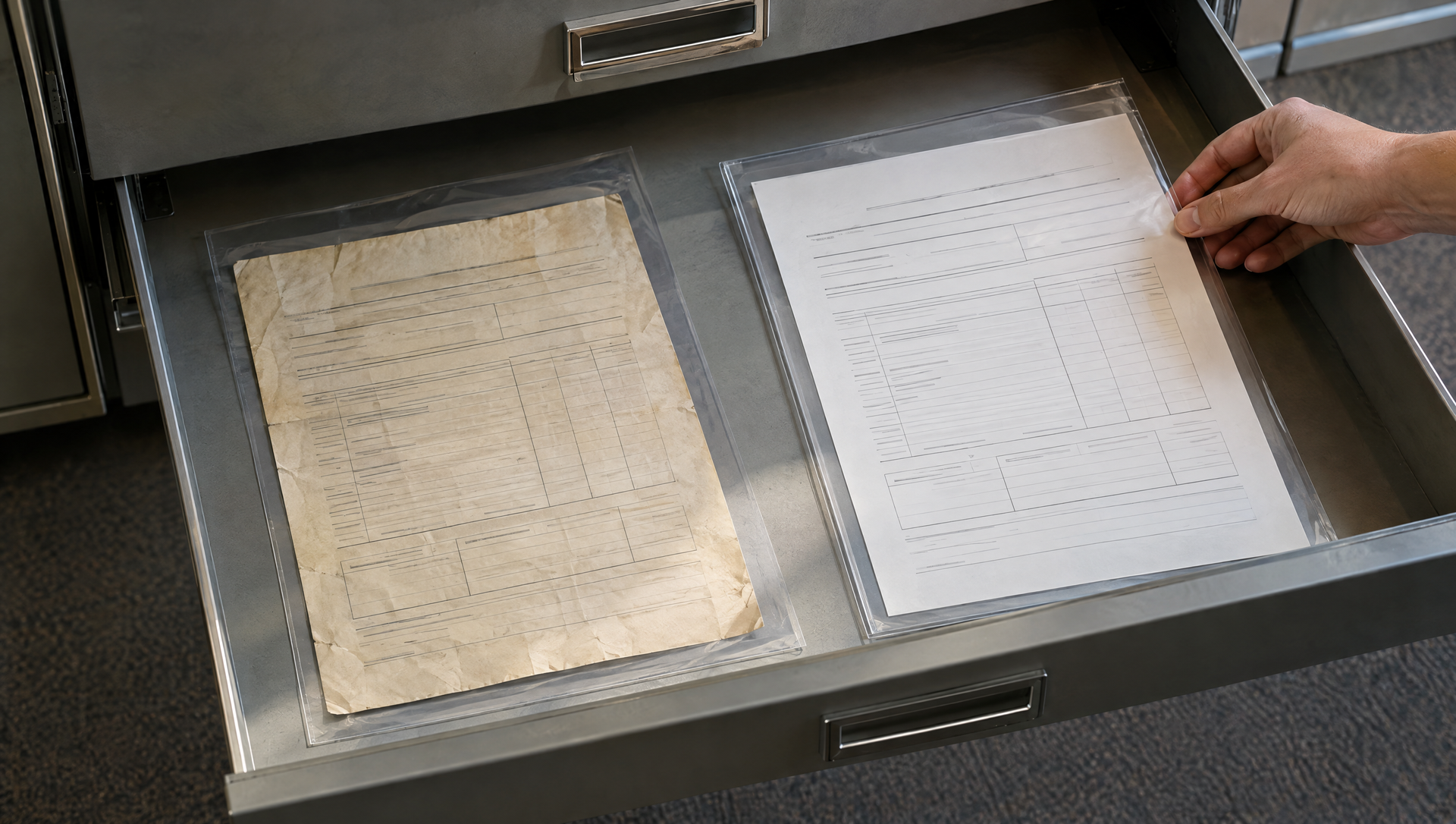
The letter lists the evidence the VA considered. Compare it against what you know exists: the private records you sent, the buddy statements, the treatment history. Anything missing from the list wasn't weighed, whatever the reason, and a decision made without evidence you submitted, or evidence the VA had a duty to get, is a decision with a soft spot. This check takes five minutes and finds problems constantly.
Check five: deferred issues and the fine print
Some conditions come back neither granted nor denied but deferred, meaning the VA wants more development before deciding. A deferral isn't a loss, but it is a live item that needs tracking, because deferred issues have a way of drifting. Note them, calendar them, and follow up. The letter's remaining boilerplate covers your review rights and their deadlines, which brings us to the last point.
The clock started when the letter was dated
Whatever the letter says, you generally have one year from its date to act through the
decision review lanes, and the clock runs whether the letter sits in the drawer or not. That year is what protects your effective date through the fight. So the reading exercise above isn't academic; it's the triage that tells you whether this decision deserves a challenge, on which conditions, and through which lane. A 70% grant can contain a wrong date worth thousands and a skipped condition worth more; "I won" and "the letter is right" are different sentences.
And if the letter is genuinely correct, complete, and fairly rated? Then you've read your way to real peace of mind instead of assumed peace of mind, which is worth the twenty minutes all by itself.
Where we come in
We're a veteran-led firm, and reading decisions is the front door of our practice: the skipped issues, the wrong dates, the reasons that don't survive the record. If your letter just arrived and something reads off, or nothing reads off but you'd like eyes that know where errors hide,
reach out. And if you haven't filed yet,
Valor First Claim builds the claim so that when your letter comes, it has less to hide.