On Wednesday the Army's Blast Injury Research Coordinating Office
put out a request for information asking researchers, clinicians, and protective-equipment makers for the criteria, models, and expertise needed to build formal standards for assessing blast-induced brain injury. The office wants benchmarks for the physiological and biomechanical effects of blast exposure, from enemy munitions and from the service member's own weapons, to support hazard assessments and protective gear design.
That sounds like an engineering notice, and it is. It's also the Department admitting, in a procurement document, that after two decades of a war fought in large part by blast, it doesn't yet have an agreed standard for measuring what blast does to a brain. For veterans who've been trying to prove exactly that to the VA, the admission is useful.
Where this came from
The request follows
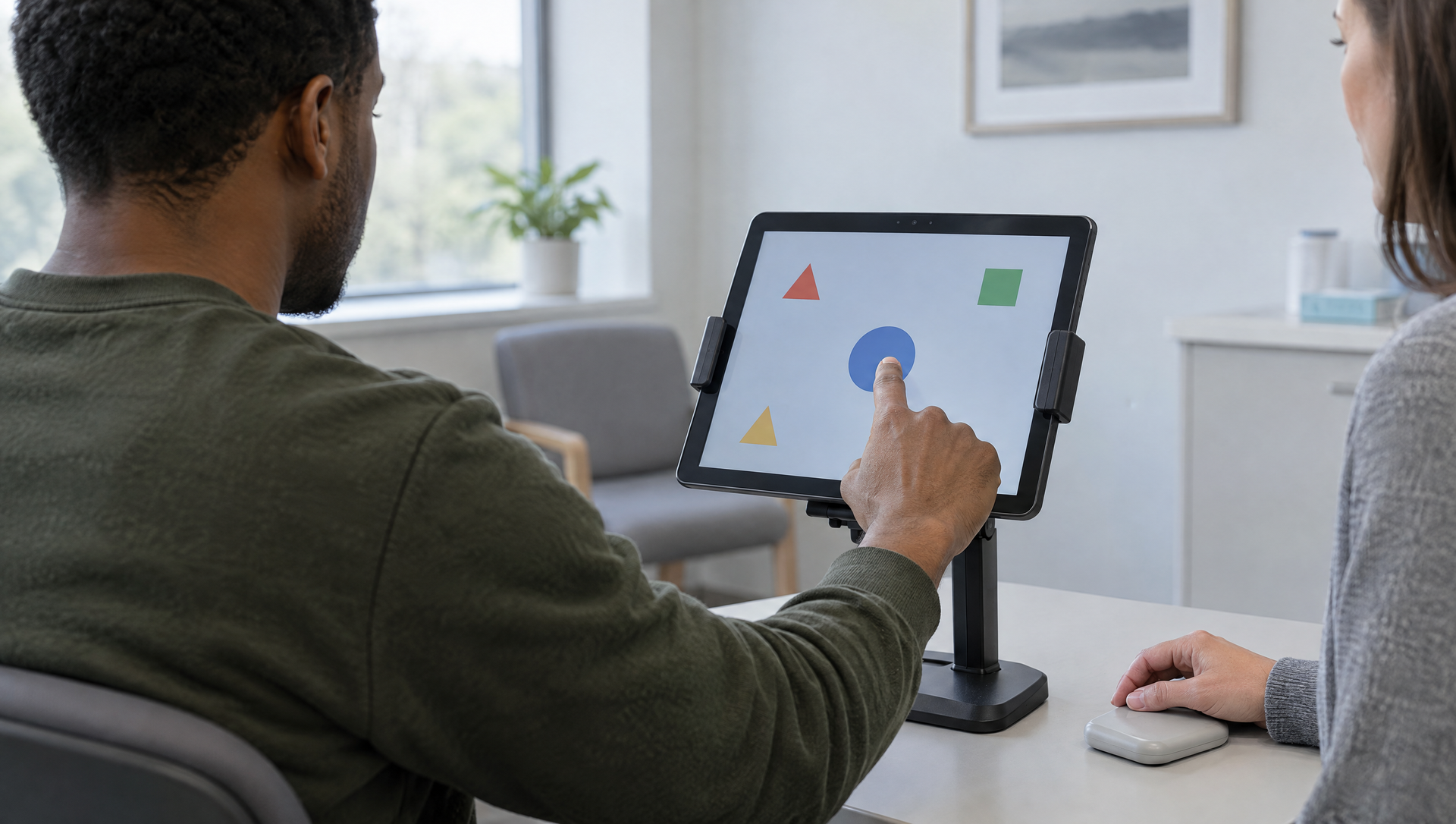
an August GAO report that found the services couldn't keep up with their own blast-exposure policies. Under 2024 Department rules, every recruit was supposed to get a baseline cognitive assessment by the end of 2024, and every service member in a high-risk occupation, the artillery crews, breachers, mortarmen, and heavy-weapons operators, was supposed to be screened by the end of fiscal 2025. The GAO found the services got to 86% of high-risk personnel: 87% in the Army, 81% in the Air Force, 59% in the Navy. The limiting factor wasn't will. It was industrial hygienists, the people who measure exposures, and the Defense Health Agency didn't have enough specialists for follow-up monitoring either. The Department says it will finish both GAO recommendations by December 2026 and is piloting a cognitive-assessment app that needs less staff.
A baseline assessment is the piece that changes a future claim. The reason
the TBI exams post-9/11 veterans never got cost so much is that there was nothing to compare against. A veteran who tested normal at 19 and impaired at 29 has a before-and-after. A veteran with no baseline has a symptom list and an argument.
What a standard would do for a claim
The VA rates traumatic brain injury residuals under a schedule that depends heavily on what the records show about the injury event and the course since. Blast exposure without a documented concussion has always been the hard case: no loss of consciousness noted, no medevac, no line-of-duty determination, just years of mortar fire or thousands of rounds through a shoulder-fired weapon, followed by headaches, sleep problems, and memory complaints that a C&P examiner can attribute to anything.
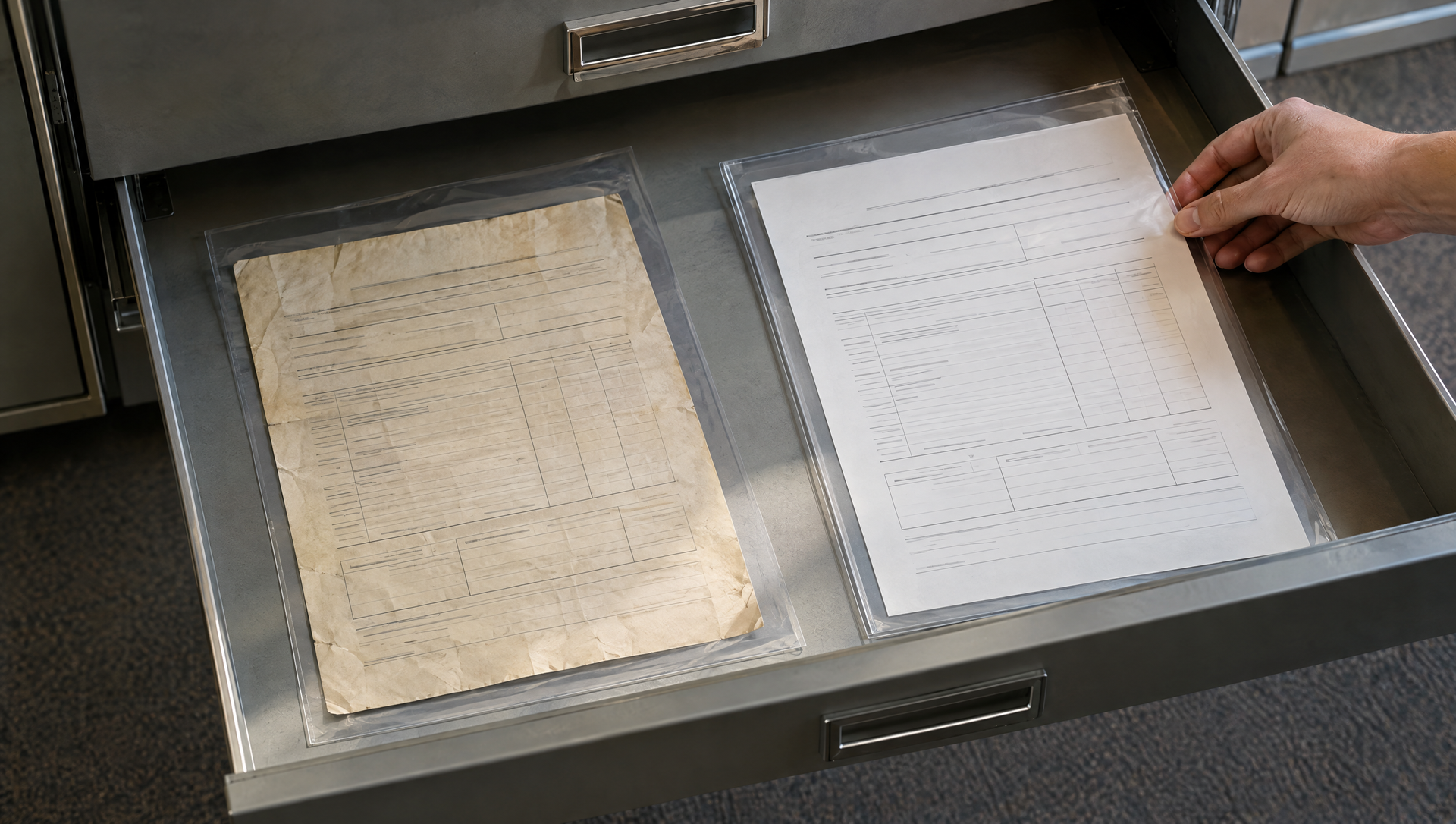
Formal assessment standards would change the character of that evidence in three ways. Exposure would be measured and logged rather than estimated from an MOS. The baseline would exist. And the link between the measured exposure and the measured change would rest on a Department-adopted standard rather than on a private neurologist's opinion the VA can discount. That's the difference between
dueling medical opinions and a record that argues for itself.
None of that exists yet. The request for information is step one of a process that usually takes years, and the services haven't finished the baselines the 2024 policy required.
What to do depending on where you are
Still serving. Get your baseline assessment if you haven't had one, and get a copy. Ask what your unit is logging about your exposures and whether it's going into your medical record. When you separate, the
records-first rule applies with extra force: the exposure log and the cognitive scores are the claim.
Recently out. Your service treatment records may include a baseline from the 2024 push, or a screening from a deployment. Find it. If your post-service cognitive testing shows a decline against it, that's the comparison the VA has been missing.
Out for years. The standard won't be retroactive, and your records probably don't have a baseline. Your claim still runs on the evidence the earlier generation used: the MOS and the exposure history it implies, deployment records, buddy statements about the specific events, a private neuropsychological evaluation, and a nexus opinion that engages with the blast literature. The new standards may eventually give that opinion something firmer to cite. They won't write it for you.
The parallel to watch
We said something similar
when the military ordered testosterone screening for every man over 30: screening programs create in-service records, and in-service records are what VA claims are made of. Blast assessment is the same pattern with higher stakes. The service members being baselined today will file claims in 2035 with evidence no Iraq or Afghanistan veteran had. The veterans already out need to build the equivalent by hand, and the Department's own admission that it lacks a standard is one more piece of that argument.
Where we come in
We're a veteran-led firm, and TBI residuals, especially the blast cases without a clean concussion in the record, are claims we build and appeal regularly. If you've been denied because nobody documented what you were exposed to,
reach out.