Traumatic brain injury was supposed to be the signature wound the system learned to catch. Recent reporting tells a different story: substantial numbers of post-9/11 veterans exposed to blasts, breachers, gunners, artillery crews, anyone who lived near repeated concussive events, never received the TBI evaluations that would have documented their injuries, either in service or after. For a condition whose symptoms hide inside ordinary life (the headaches, the short fuse, the sleep that never restores, the words that won't come), an exam that never happened becomes a diagnosis that never happened, which becomes a claim that never happened.
That chain can be broken at any link. Here's how.
Why the exams got missed
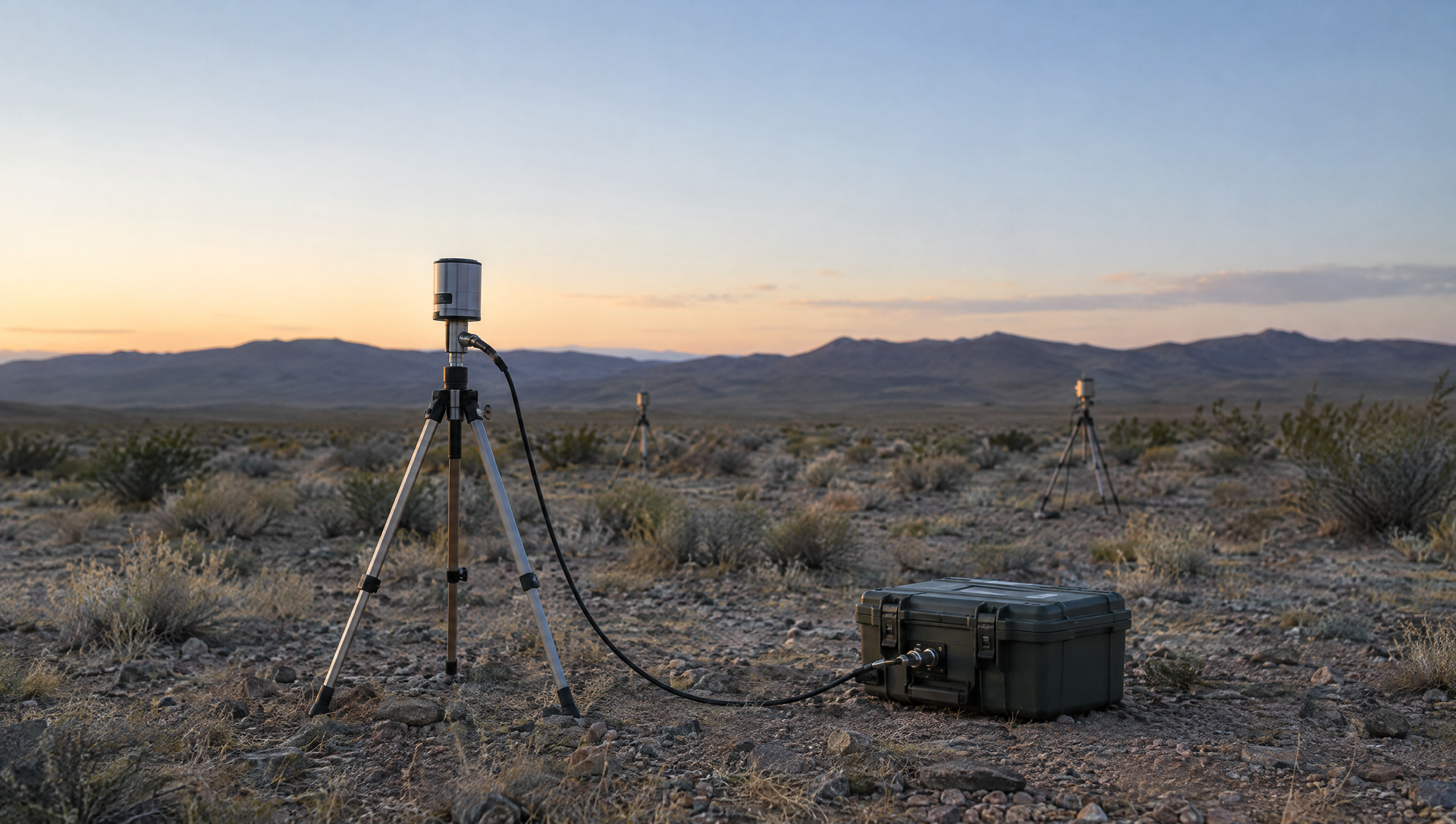
No single villain, which is part of why the gap persists. Blast exposure without a dramatic single event rarely triggered evaluation; the culture treated "getting your bell rung" as weather, not injury; screening programs improved over the wars but unevenly, and veterans who separated early in the era passed through before the better nets existed. Layer on TBI's own cruelty, that the injury can degrade exactly the self-monitoring you'd need to notice it, and you get the reporting's picture: a generation carrying undocumented brain injuries into middle age.
The claims consequence is direct. TBI claims live and die on
the three elements, and a missing evaluation punches holes in two of them: no in-service documentation of the injury, and often no current diagnosis either, because nobody ever connected today's symptoms to yesterday's blasts.
The fix, element by element
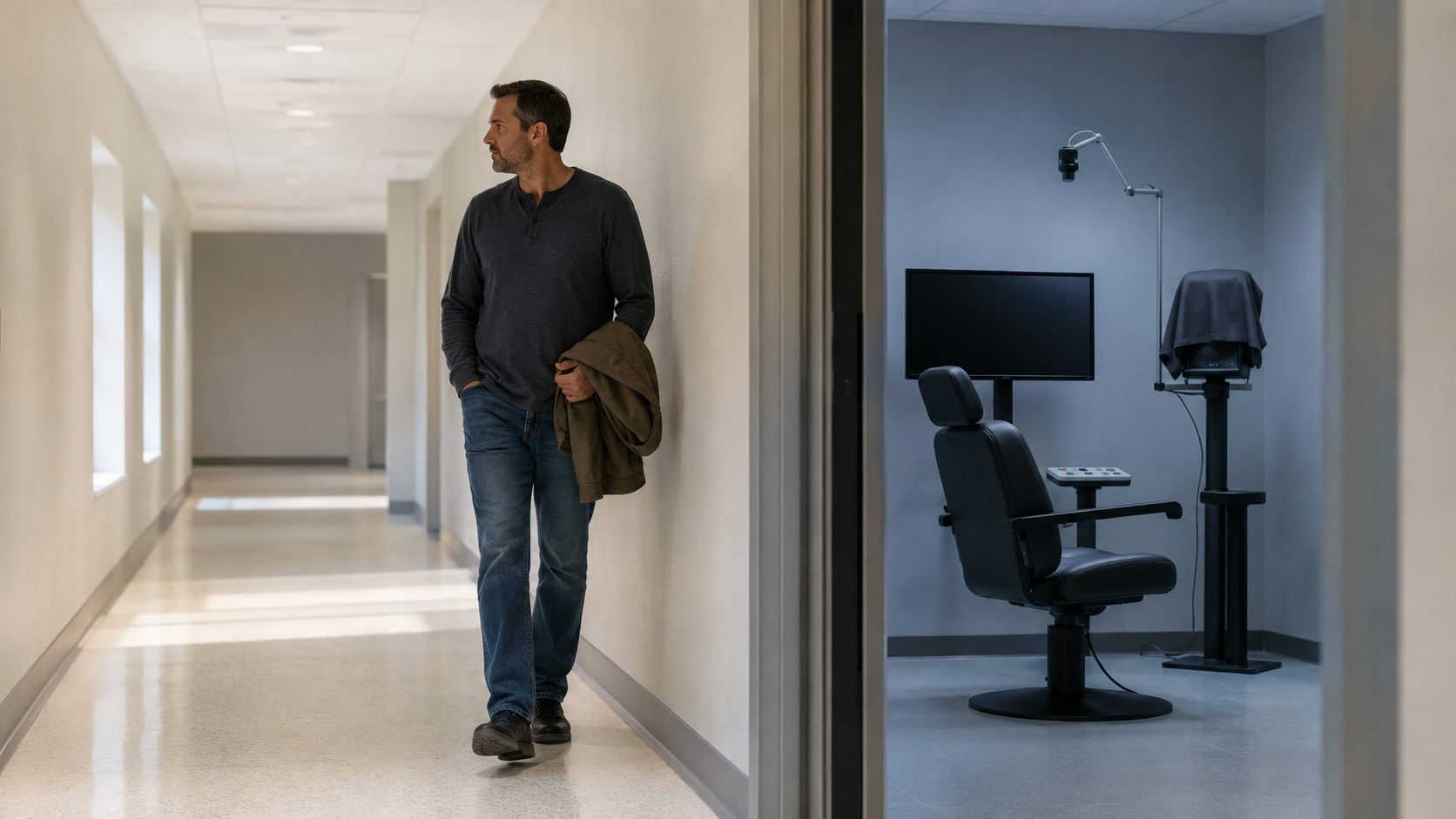
The diagnosis gap closes at an evaluation, and it's never too late to get one. TBI and its residuals can be diagnosed years after the fact by providers who know what they're looking at; the VA runs TBI screening for post-9/11 veterans in its care, and private neurology and neuropsychology reach the same questions. If the symptom list above reads like your Tuesday, the evaluation is step one, for your health before your claim.
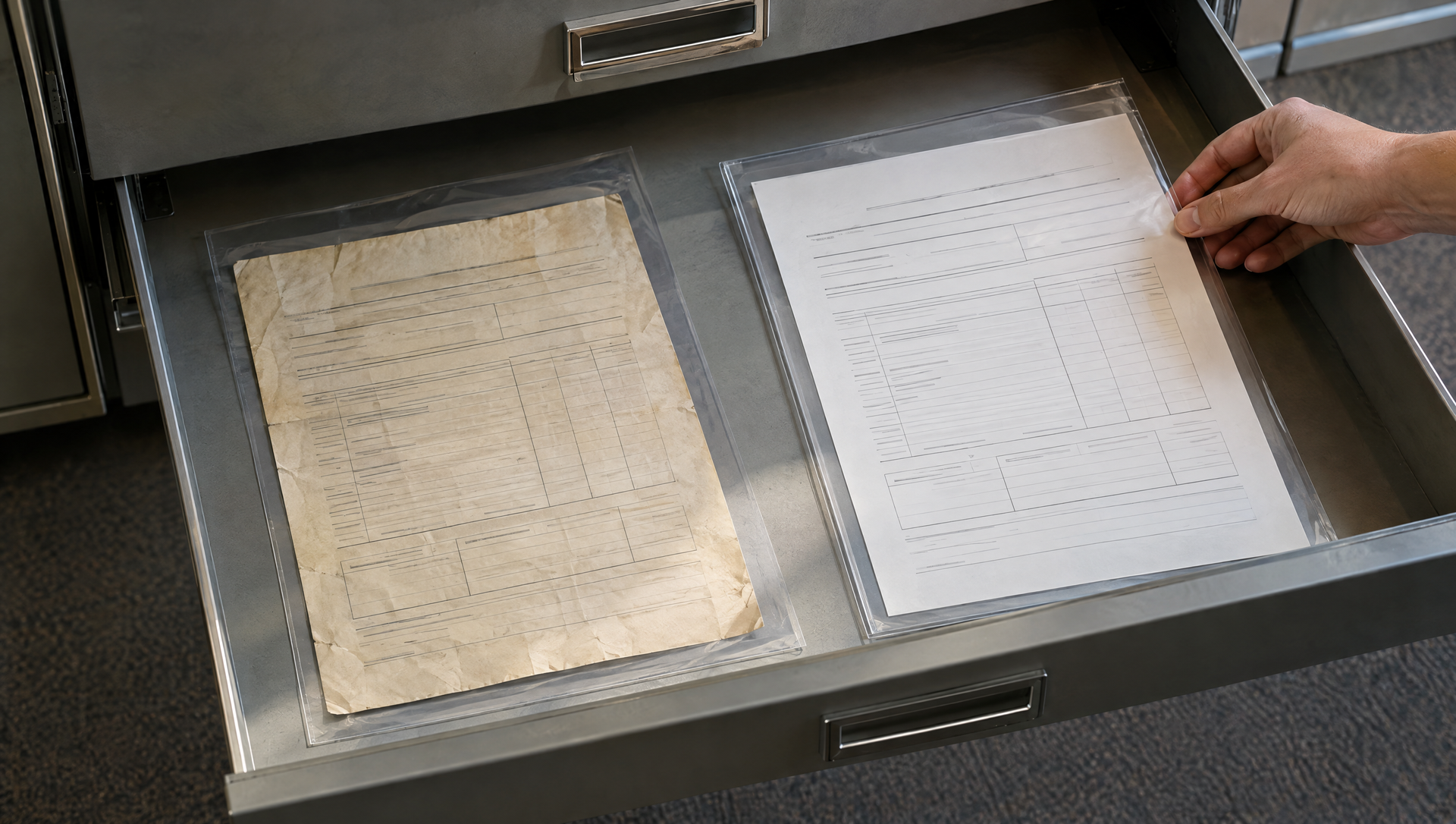
The in-service gap closes with the record you build, not the one you were given. The
thin-record problem has answers: unit records and deployment history establishing proximity to blast events, your own detailed statement, and
statements from the people who were there and the people who watched you change afterward. The military's failure to hand you an exam is not the same as the event not happening, and lay evidence exists precisely for what went undocumented.
The connection gap closes with a medical opinion built on both. A
nexus opinion from an evaluator who has your exposure history and your current findings does the linking work the missing exams never did.
One more layer: TBI is a prolific source of secondary conditions, the depression and anxiety that ride with it, the headaches, the sleep disorders, even endocrine problems years downstream. A TBI claim done right usually grows into a cluster of claims, and under-claiming it is one of
the classic first-claim mistakes.
If you were already denied for the silence
A denial that reads "no evidence of in-service TBI" issued years ago, against a file that contained none of the above, is a denial built on an empty record, and empty records can be filled. New evaluations, new lay evidence, and new medical opinions are exactly what the
Supplemental Claim lane accepts, and the growing institutional recognition of blast exposure, this reporting included, is context that didn't exist when the old denial issued. The silence cost you once. It doesn't have to keep costing you.
Where we come in
We're a veteran-led firm, and undocumented-injury cases are the ones where representation earns its keep from the first day: building the record the system never built for you. Through
Valor First Claim that representation costs nothing on an initial claim, and if an old denial is sitting on your silence,
reach out and we'll tell you honestly what it would take to fill the record now.