If nightmares are part of your PTSD, you already know why they get their own research. They're the symptom that makes sleep something to dread, the reason 2 a.m. becomes drinking hours, the thing the daytime meds never quite touch. So when word spreads that scientists are testing THC against trauma nightmares, it travels fast through veteran circles, and it usually arrives mangled. Here's the accurate version.
What's actually being tested
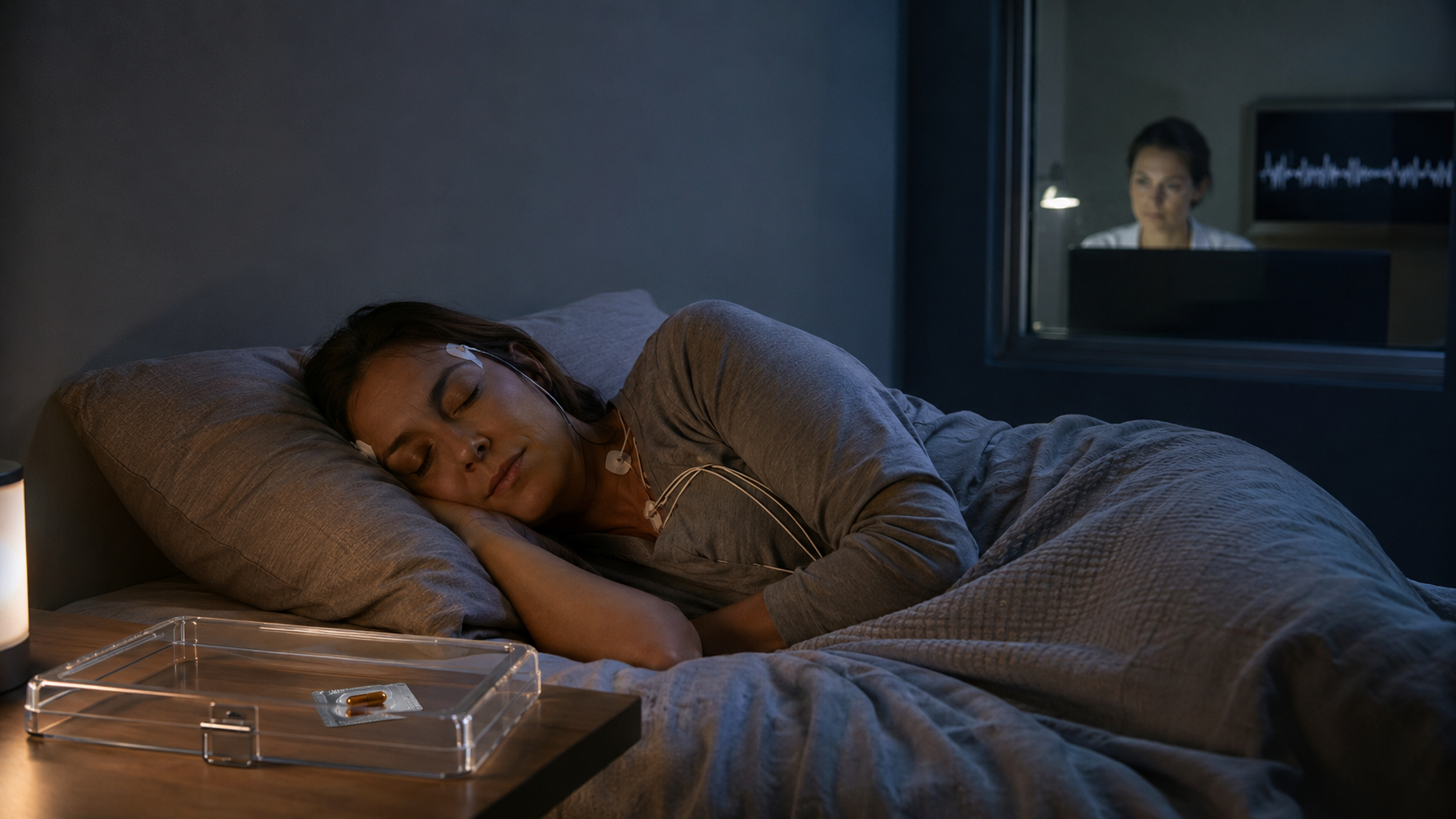
The drug in the new trial is dronabinol. It's a prescription medication, a synthetic form of THC in a capsule, and it's been FDA-approved for decades for other conditions, mainly chemo-related nausea and appetite loss. Researchers are testing whether it reduces trauma-related nightmares, building on earlier small studies suggesting cannabinoids might quiet the REM-sleep disruptions where nightmares live.
Notice what that is and what it isn't. It's a standardized pill with known dosing, studied under controls, against one specific symptom. It isn't dispensary weed, and the difference matters scientifically: a trial can only answer questions about the exact thing it tests. Whatever this study finds, it won't prove anything about the vape pen or the gummies, where dose and content vary batch to batch.
What the evidence says so far
Honestly: it's early. Small studies of cannabinoids and PTSD sleep problems have shown enough promise to justify bigger trials, and that's the stage this research is at. Meanwhile, the research on regular cannabis use and PTSD is genuinely mixed. Some studies suggest short-term symptom relief; others link heavy use to worse outcomes over time, dependence included. Anyone who tells you the science is settled, in either direction, is ahead of it.
The VA doesn't prescribe cannabis and can't while it stays federally scheduled, though dronabinol itself is a legal prescription drug, and VA clinicians can and do discuss cannabis use with patients. If the trials pan out, a standardized prescription option for nightmares would be a real addition to a thin toolbox. That's the hope. It hasn't happened yet.
What you can do about nightmares right now
Waiting on a trial is not a plan. Treatments for trauma nightmares exist today: prazosin, a blood-pressure medication with a long track record specifically for PTSD nightmares, and therapies like imagery rehearsal that target the nightmares directly, alongside the trauma-focused treatments that go after the condition itself. If nightmares are ruling your nights and none of those are in your chart, that's a conversation worth having with your provider this month.
And every one of those attempts belongs in your records, because of what comes next.
Your nightmares are rating evidence. Treat them that way.
Here's the part that affects your claim whether or not this drug ever reaches a pharmacy. The VA rates mental health conditions on how symptoms affect your sleep, your work, your relationships, and your functioning. Chronic sleep impairment sits right in the rating criteria. And nightmares are one of the most underreported symptoms in the entire system, because describing them means reliving them, and because "I don't sleep great" is easier to say out loud.
The difference costs money and, worse, understates what you're living with. "Trouble sleeping" and "I wake up screaming twice a week, I put off going to bed until I can't stay awake, and my wife sleeps in the other room" land on the same line of a
C&P exam
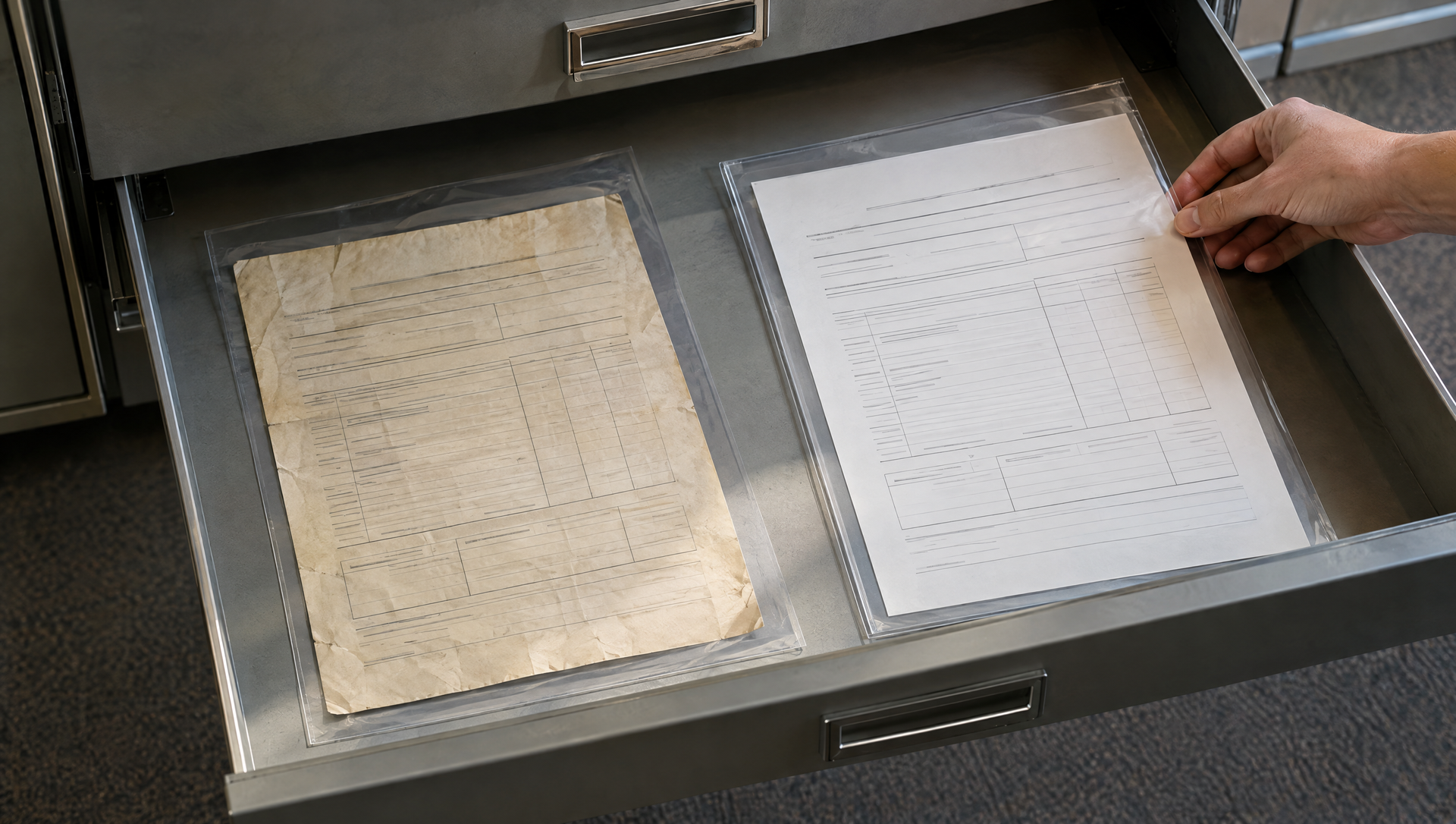
report very differently. The examiner writes down what you give them. Give them the real version: frequency, what happens, what it's done to your bed, your job, your mornings. A record of treatments tried and failed tells the same story with receipts.
If cannabis is already in your file
Plenty of veterans self-medicate the nightmares and then hide it from VA providers and examiners, afraid it will sink the claim. Understand what hiding actually does. Cannabis use doesn't erase service connection for PTSD, and VA policy directs clinicians to talk about use, not report or punish it. But a hidden habit that surfaces anyway hands a skeptical examiner a credibility problem, and a record that never explains your use lets a rater blame your symptoms on the substance instead of the condition driving it. The stronger file is the honest one, where the trauma condition is documented as the thing you're treating, by whatever means you've had. If your file already has this tangle in it and a decision punished you for it, that's an evidence problem with
an appeal attached, not a dead end.
The bottom line
The trial is real, the drug is a legitimate prescription compound, and the results aren't in. Don't restructure your treatment around a headline, don't let anyone sell you certainty, and don't wait on any of it to deal with the nightmares you have now: pursue the treatments that exist, and make sure your file tells the truth about your nights, because the rating you carry should match them.
If you're struggling right now, don't wait on any trial. The Veterans Crisis Line is free, confidential, and available 24/7, whether or not you're enrolled in VA care: dial
988 then press 1, text
838255, or chat at
VeteransCrisisLine.net/Chat.
Where we come in
We're a veteran-led firm, and the file is our end of this: making sure the symptom wrecking your nights is documented at its real severity and rated like it. If your rating reads like a person who sleeps fine,
reach out and we'll fix the record.