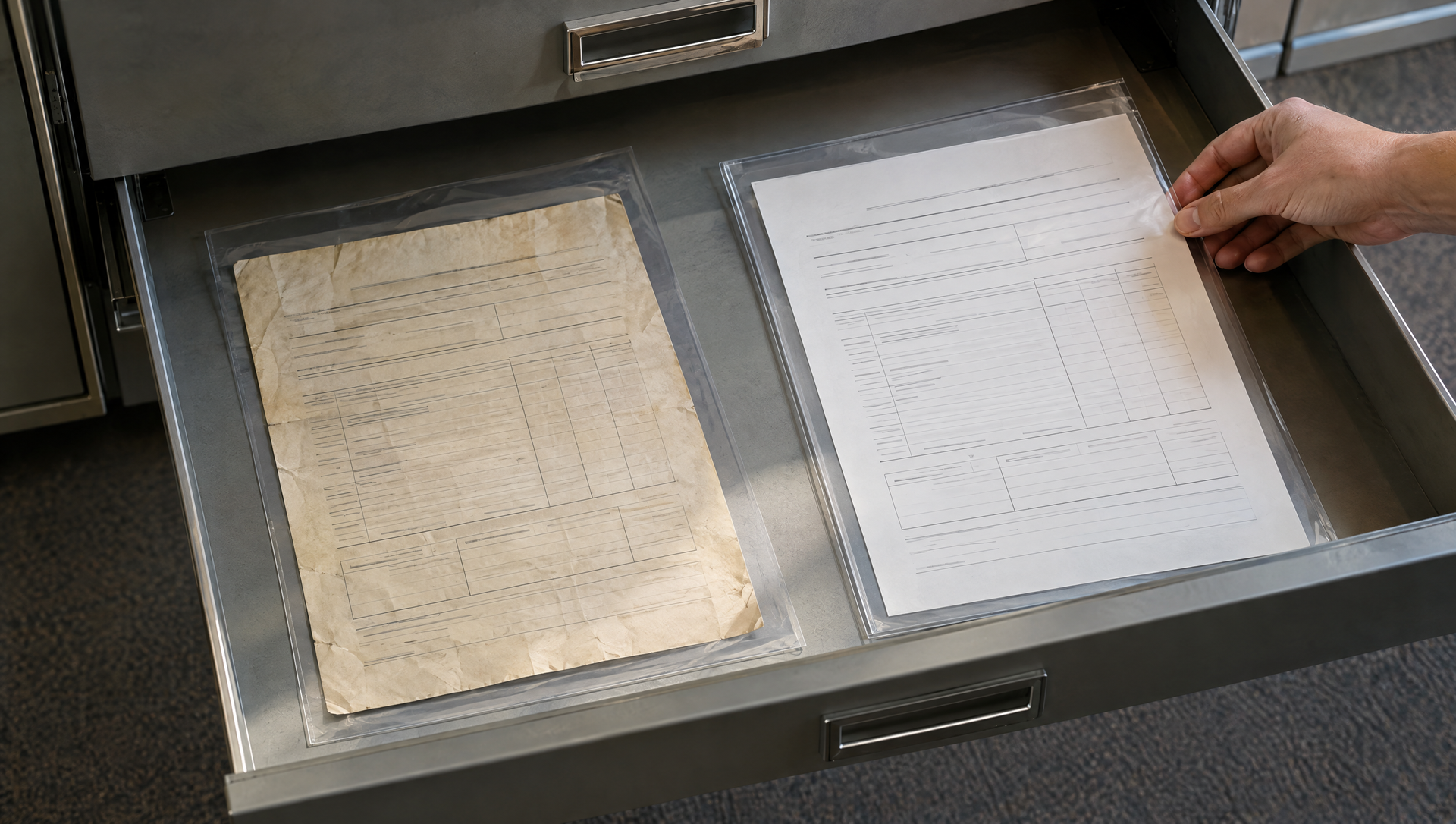
If you deployed with kids at home, you filled out a Family Care Plan. You named a short-term caregiver, a long-term caregiver, and you signed powers of attorney so they could enroll the kids in school and take them to the doctor while you were gone. The unit checked the box. It felt like the question was handled.
It wasn't, and it isn't now. A Family Care Plan is a readiness document. It tells your command who takes the kids while you're on orders. It has no legal force in a probate court, it says nothing about what happens if you die rather than deploy, and the powers of attorney in it expire. The document that decides who raises your children if you and their other parent are both gone is your will, and a large share of veteran households with minor children don't have one.
The guardian question lives in the will
In Colorado and nearly every other state, a parent nominates a guardian for minor children in a will. A court still has to appoint the guardian, but a parent's written nomination carries heavy weight, and in practice the court follows it unless someone proves the nominee is unfit. Without a nomination, the court decides on its own, with whatever relatives show up, and the people most eager to show up aren't always the ones you'd have picked.
The nomination is a sentence or two. The decision behind it is the hard part, and it's the reason so many couples put off the whole will. Your parents are the obvious choice and they're 68. Your sister would say yes and she lives across the country from the kids' school and their other grandparents. Your best friend from the unit would do it in a heartbeat and has three kids of his own. There's no perfect answer, which is a reason to pick the best available one and write it down, not a reason to leave it to a judge.
Two pieces of advice from the fights we've watched. Name a successor guardian, because the person you choose today may not be able to serve in ten years. And if there's someone you'd never want raising your children, say so in a separate letter to the court, not in the will itself, where it becomes a public document.
The money question is separate, and bigger
This is where veteran families get hurt. The military set a trap on the way out, and almost nobody mentions it.
If you named your child as the beneficiary on your SGLI, your VGLI, or your TSP, and your child is a minor when you die, the insurer can't hand a nine-year-old a check. The money gets paid to a court-appointed custodian or conservator, which means a court proceeding, a bond, annual accountings, and a judge supervising the money until the child turns 18 or 21, depending on the state. At that age, whatever's left gets handed over in a lump sum to a person who just became a legal adult.
The same thing happens if you leave everything to your kids outright in a will. An eighteen-year-old inheriting $400,000 in life insurance and a house is a story that rarely ends well, and it's the default outcome of a plan that stops at "the kids get everything."
The fix is a trust for the children, either written into the will as a testamentary trust or set up as a living trust during your lifetime, with the insurance and the TSP made payable to the trust instead of to the child. You pick the trustee, who may or may not be the same person as the guardian. You pick the ages at which the children get control, in stages if you want. You decide what the money can be spent on in the meantime. The guardian raises the kids; the trustee manages the money; and a little friction between the two is healthy, because it means nobody has unchecked control of both.
Guardian and trustee: same person or different?
Families default to naming one person for both jobs because it's simpler. Sometimes that's right. Often the person you'd trust to raise your children is not the person you'd trust to manage a seven-figure sum, and the reverse. Your brother is a wonderful father and has declared bankruptcy twice. Your sister-in-law is a CPA and can't stand children.
Splitting the roles solves that. It also gives the guardian a built-in ally: a trustee whose job is to make sure the money supports the kids, which includes paying the guardian's household for the costs of raising two more children. Write that authority into the trust. Guardians who have to beg a trustee for grocery money quit, and guardians who can spend freely with no oversight sometimes spend on themselves.
We wrote about choosing these people in general terms. For parents of minor children, the choice is the entire plan.
The veteran-specific pieces
A few things that come up in military and veteran families more than most.
Beneficiary forms override everything. If the SGLI form from your first enlistment still names your mother, or your ex, the trust you just paid for gets nothing.
We've said this in every estate planning post we've written, and it's the most common way a good plan for the kids fails. Pull the designations. Change them to the trust.
Survivor benefits for the children go to whoever has custody.
DIC, if the death is service-connected, and Chapter 35 education benefits later, are paid for the children's benefit, and in practice they flow to the guardian. That's one more reason the guardian choice is also a financial choice.
Blended families change the math. If the children have a living other parent who isn't your spouse, that parent generally has first claim to custody regardless of your will, and your plan should be built with that reality rather than around it.
The blended-family post covers the structure.
The plan has to outlive your service. A will written at the legal assistance office before a deployment is often valid, and often inadequate: a form document that leaves everything to a spouse and names a guardian as an afterthought. If that's the will you have,
it's due for a rewrite.
Where we come in
We're a veteran-led firm, and our estate planning practice is built for households like yours: parents who already answered the readiness version of this question and never got around to the permanent one. A will with a guardian nomination, a trust for the children, and the beneficiary forms fixed to match is a few weeks of work. If you've been putting it off because the guardian question is hard,
reach out. We'll help you make the call.