Most veterans have sat through a mandatory legal brief at some point, signed a bare-bones will before a deployment, and not thought about it since. That's the norm, and it's a problem, because the deployment will you signed at 24 was built to answer one question (what if I don't come back this year), not the questions your family will actually face decades later.
So let's do the grown-up version. What a will does, what a trust does, which one you actually need, and the handful of places where being a veteran changes the standard advice.
What a will actually does, and doesn't
A will is your instructions for what happens after you're gone: who gets what, who's in charge of making it happen (your executor or personal representative), and, if you have minor children, who raises them. That last one is reason enough on its own. Without a will, a court makes the guardianship call with no input from you.
Here's what most people don't know about wills: they don't avoid probate. A will is instructions for the probate court, not a way around it. Your estate still goes through the court process; the will just tells the court what you wanted. Probate isn't the horror story the trust-marketing seminars make it sound like, especially in states with streamlined processes, but it is public, it takes time, and it can be a genuine burden when property is involved in more than one state.
And a will controls less than people think. Anything with a beneficiary designation, life insurance, retirement accounts, bank accounts marked payable-on-death, passes outside the will entirely. More on why that matters for veterans in a minute.
What a trust actually does
A revocable living trust is a container you create while you're alive. You move assets into it, you control everything exactly as before, and you can change or dissolve it whenever you want. The payoff comes at death and, underrated, at incapacity: assets in the trust skip probate and pass directly per your instructions, privately, usually faster. And if you become unable to manage your affairs, your successor trustee steps in without a court proceeding, which is one of the most practical protections in all of estate planning.
The costs are real too. A trust costs more to set up than a will, and it only works if you actually fund it, meaning you retitle assets into it. The unfunded trust, drafted, signed, and never filled, is one of the most common estate planning failures there is. A trust with nothing in it protects nothing.
One thing a revocable trust does not do, and this matters for veterans specifically: it doesn't hide assets from needs-based benefit tests. Assets in a revocable trust still count as yours for
VA pension and Aid and Attendance purposes, because you still control them. Trusts that remove assets from the picture are irrevocable, a different tool with different tradeoffs and, as we've covered, a three-year lookback problem if the timing's wrong.
So which one do you need?
Honest answer: almost everyone needs a will, and some people also benefit from a trust. The will-only household is typically simpler: one state, modest probate exposure, adult beneficiaries, no complicating factors. The trust starts earning its cost when one or more of these is true: you own property in more than one state (two probates otherwise), you value privacy, you have a beneficiary who shouldn't inherit outright (a minor, a family member with special needs, someone whose benefits or judgment an inheritance could hurt), or incapacity planning matters to you, and for aging veterans with service-connected conditions that may progress, it often should.
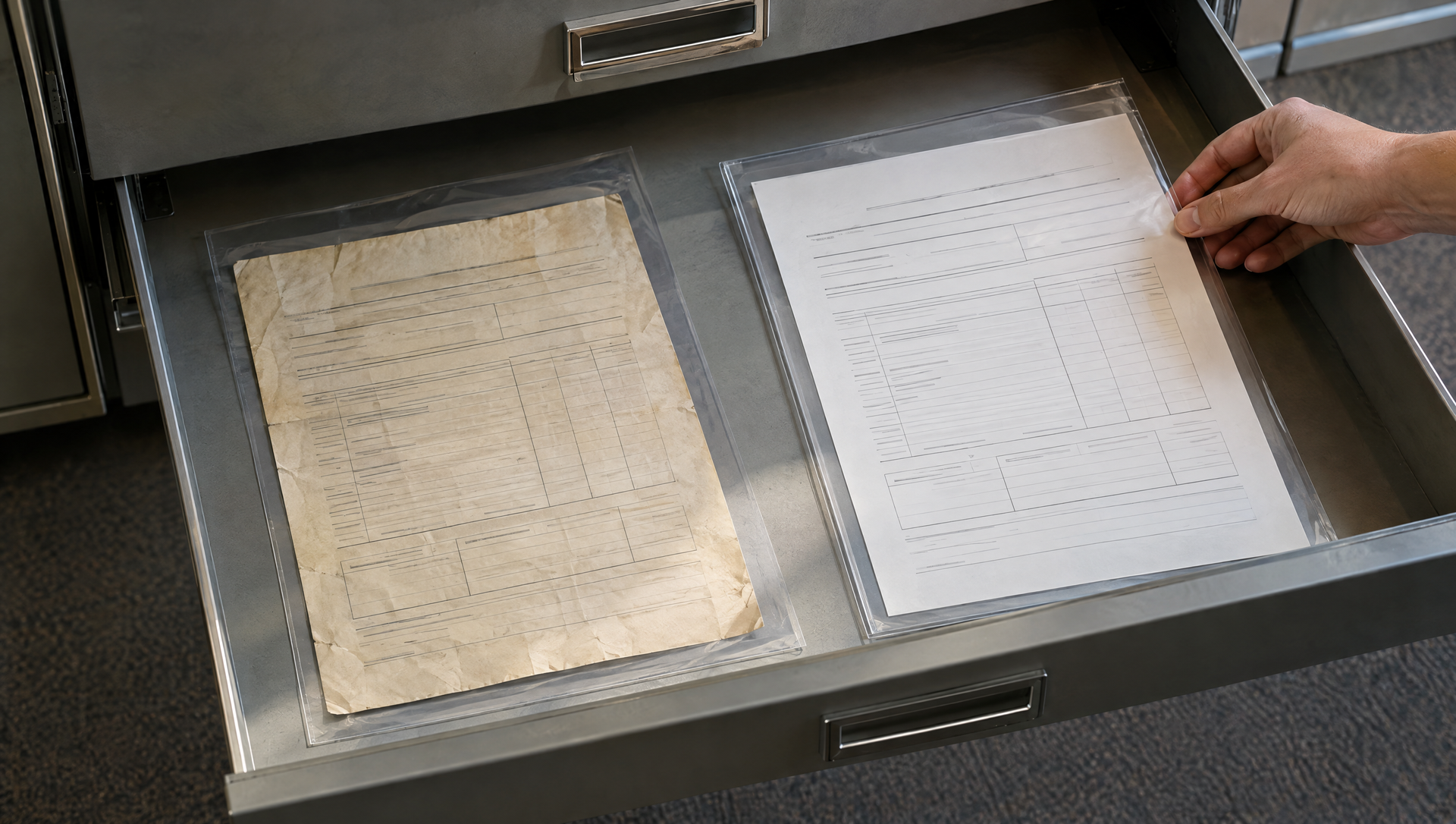
What nobody needs is the deployment will from 2003 governing a 2026 estate. If your family has grown, your assets have changed, or your marriage has started or ended since you signed it, the document isn't protecting anyone. It's a time capsule.
The veteran-specific pieces
Four places where the standard advice bends for a veteran household.
Your beneficiary designations outrank your will, and yours are old. SGLI conversions, VGLI policies, the TSP, old retirement accounts: every one of them pays to whoever's named on the form, no matter what your will says. Service members name beneficiaries young and update them never. The ex-spouse still listed on a policy from two duty stations ago is a genuinely common estate disaster, and no will fixes it. Pull the designations and read them; it's the highest-value hour in veteran estate planning.
Incapacity planning has a VA wrinkle. A durable power of attorney and health care directives are essential for everyone. But as we've written, the VA doesn't automatically honor your POA for VA benefits; it runs its own fiduciary system. Your documents still do the heavy lifting everywhere else, and having them, plus a family that understands the VA's separate lane, is the complete answer.
Your VA benefits knowledge is part of the estate. Your survivors can't claim what they don't know exists. The will gets a folder next to it: your VA file number, rating decisions, pending claims, and
what your family should check within the first year. A perfect will with an invisible claim file still leaves money on the table.
Burial wishes are worth writing down. Veterans have earned burial options, national cemeteries, markers, honors, that families routinely don't know about or scramble to arrange in the worst week of their lives. A page of written wishes in the estate folder converts a scramble into a plan.
The documents that make up a real plan
Strip it to the checklist. A will, always. Durable financial power of attorney and health care directives, always. Beneficiary designations reviewed and current, always. A trust, when the situations above apply. And the veteran folder, the claims map and burial wishes, sitting with all of it. That's a complete plan for most veteran households, and none of it is exotic.
State law runs all of this, and the details (probate procedures, what makes a will valid, how trusts are taxed) vary by state, so the specifics belong in a conversation, not a blog post.
Where we come in
We're a veteran-led firm, and our
estate planning practice is built for exactly this intersection: the standard documents done right, and the veteran-specific pieces, the benefits, the designations, the VA's quirks, folded in instead of forgotten. If your plan is a deployment will and a shrug,
reach out and we'll build the real thing.