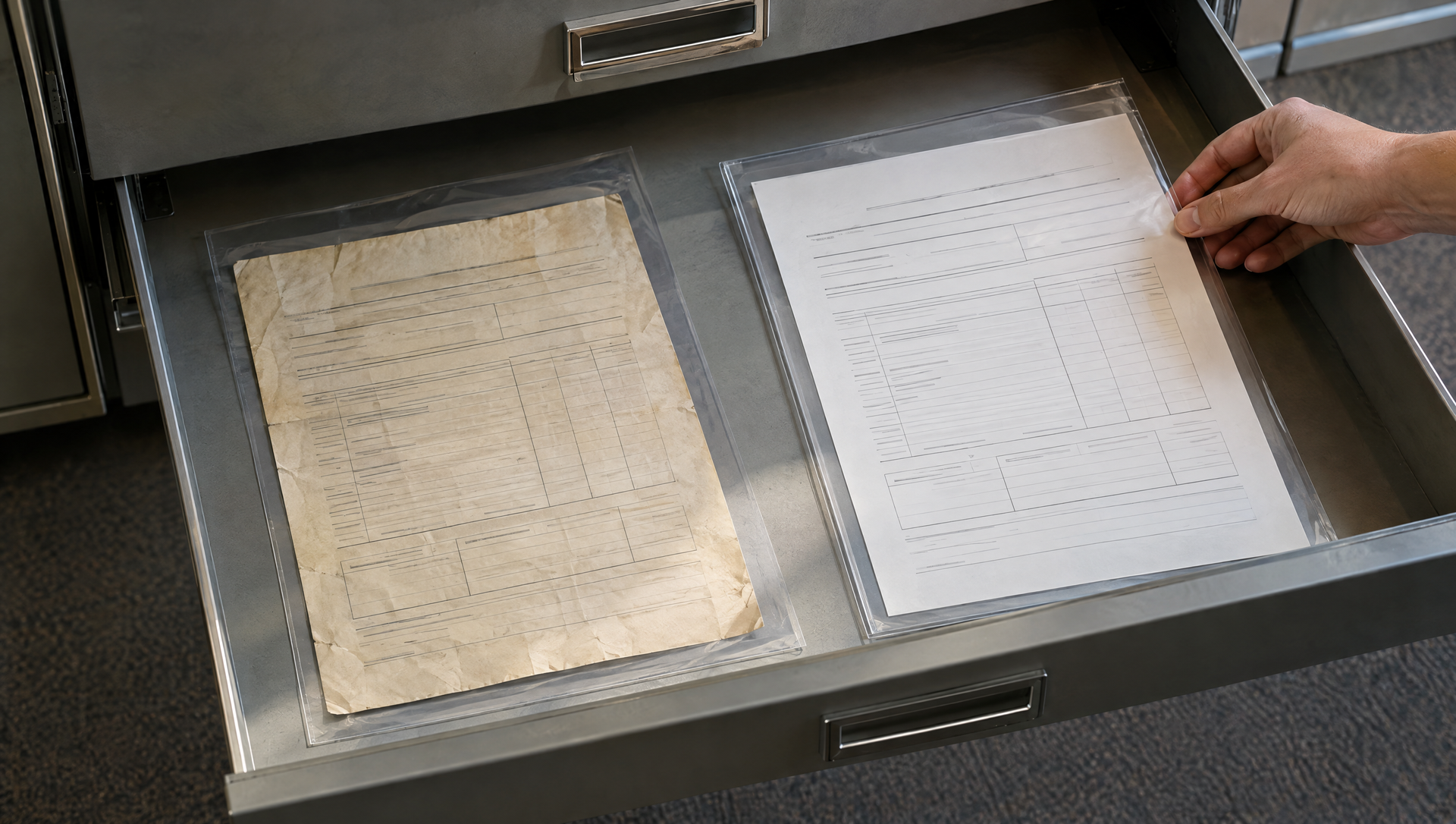
Most VA rules about back pay run one direction: against the veteran. You're paid from when you filed, not from when you got sick, and an old denial usually stays denied. There's one towering exception, and it was built in court. It's called Nehmer, it has already forced the VA to pay out more than $7 billion, and it's still working today, quietly generating six-figure retroactive awards for Vietnam veterans and their survivors who often have no idea they're owed anything.
What Nehmer is
In 1986, Vietnam veterans sued the VA over its Agent Orange rules, which at the time recognized essentially one condition. A federal court struck the VA's approach down in 1989, and in 1991 the parties entered a consent decree that remains in force. The decree's engine is simple and radical: whenever the VA adds a new disease to the Agent Orange presumptive list, it must go back, identify every class member who previously filed a claim involving that disease and was denied, readjudicate those claims, and pay benefits retroactive to the original claim date. Not the new filing date. The original one.
That's why Nehmer awards can be enormous. A veteran denied for ischemic heart disease in 1998, granted after the condition became presumptive in 2010, gets paid from 1998. If the veteran died waiting, the money goes to the survivors, in a defined order starting with the spouse. Courts later confirmed the decree reaches Blue Water Navy veterans too.
Why it still matters in 2026
Nehmer would be history if the presumptive list had stopped growing. It hasn't. Conditions were added in 2010 and again in 2021 (bladder cancer, hypothyroidism, Parkinsonism), and the PACT Act added more, including hypertension, one of the most common diagnoses among aging Vietnam veterans. Each addition re-arms the machinery: old denials involving that condition come back into play.
Here's the honest complication. How far Nehmer's retroactivity extends to the PACT Act additions has been contested and inconsistently applied, and for some conditions the VA has taken narrower positions about who gets the special effective dates. That's a live fight, not a settled table, which is exactly why a denied claim in this space deserves review by someone who knows the decree rather than a shrug at the first decision.
Who should be checking their files
Vietnam-era veterans with any old denial. If you filed for anything that was, or later became, an Agent Orange condition and got denied, that denial may be a Nehmer asset, not a dead letter. This includes claims where the disease showed up in your file even if it wasn't what you named. The decree's
effective-date rules are more generous than the standard ones in several specific ways.
Survivors. Nehmer explicitly covers them. A surviving spouse of a veteran who died from a now-presumptive condition may be owed both the veteran's retroactive benefits and DIC, sometimes reaching back decades. Families abandon these constantly because the veteran's death feels like the end of the claim. Under Nehmer, it often isn't.
Veterans the VA was supposed to find and didn't. The decree puts the identification burden on the VA, and the VA's track record of honoring that has required repeated enforcement, with courts forcing additional payments to thousands of class members the VA missed. The practical lesson: don't wait to be found.
What to actually do
Pull your history: what you filed, when, what was denied, and what conditions appear anywhere in your records from the relevant years. Match it against the current presumptive list, including the PACT Act additions. If there's overlap between an old denial and a later-added condition, that file needs a Nehmer analysis before anyone calls it closed. And if the VA already granted you after an addition but dated the award from your new filing rather than your original one, that effective date itself may be wrong, which is its own
appealable fight with real money attached.
Where we come in
We're a veteran-led firm, and effective-date fights are core work for us. Nehmer is the most powerful effective-date rule in veterans law, and it's also one of the least understood, including inside the VA. If Vietnam-era service and an old denial are both in your family's history,
reach out and we'll tell you straight whether the decree reaches your file.