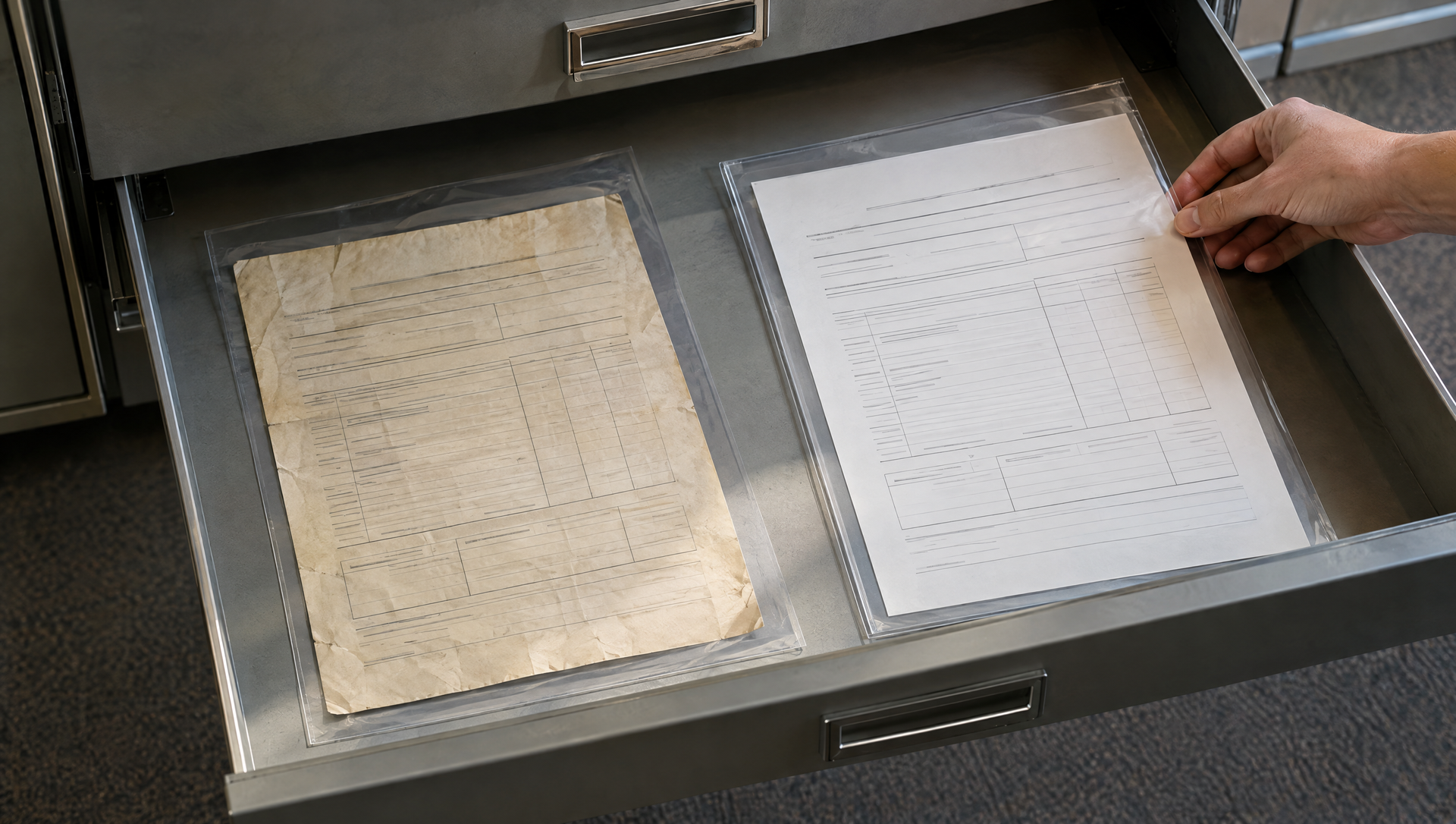
Ask most veterans what's wrong with their discharge and they'll talk about the characterization: honorable, general, other than honorable. That's the line everyone knows to look at. But your DD-214 carries more than a characterization, and some of the quietest boxes on it do loud damage for decades.
The narrative reason for your separation. The separation program designator code next to it. The reenlistment eligibility code. Employers see some of it, agencies decode the rest of it, and the military itself reads all of it. A veteran can hold a fully honorable discharge and still be carrying a narrative reason like "personality disorder" or a reenlistment code that slams the door on ever serving again. And most never learn that these entries can be challenged and changed through the same boards that handle
discharge upgrades.
The three entries that follow you
The narrative reason is the plain-language explanation for why you were separated: "misconduct," "personality disorder," "adjustment disorder," "unsatisfactory performance," and so on. It sits on the copy of the DD-214 that veterans routinely have to produce, and it speaks even when the characterization is clean. An honorable discharge for "personality disorder" tells every future reader a story, and often a false one.
The separation code (SPD) is a short letter code that encodes the reason in a form employers can't read but government agencies and the military can. Certain codes carry consequences the veteran never sees coming, from benefits questions to how a future application gets screened.
The reenlistment eligibility (RE) code decides whether you can come back. An RE-1 means eligible; the higher numbers add conditions or bar reenlistment outright. For veterans who left young, got steady, and want back in, or want the Guard or Reserve, a disqualifying RE code is often the actual obstacle, not the characterization at all.
Why wrong entries are so common
These entries get assigned at separation, fast, by a system processing people out, and they reflect whatever frame the command put on the situation at the time. The same pattern the courts called out in the
discharge board litigation shows up here: behavior that was really a symptom got labeled as a defect.
The "personality disorder" narrative reason deserves its own paragraph, because it's carried by tens of thousands of veterans and it's frequently wrong. For years, service members struggling with what was actually PTSD, TBI, or the aftermath of
military sexual trauma were processed out with personality or adjustment disorder labels, conditions defined as pre-existing, which conveniently framed the problem as something the veteran brought in rather than something service caused. The label is stigmatizing, it's visible, and it can complicate VA claims that depend on showing service caused the condition. If your separation paperwork says personality disorder and your actual history says trauma, that mismatch is correctable, and correcting it can matter for everything downstream.
How corrections work
The good news is you already know the machinery if you've read our discharge upgrade coverage, because it's the same boards.
The Discharge Review Board can do more than change a characterization: within 15 years of separation, it can also change the narrative reason for discharge and, in many cases, the associated codes. Past 15 years, or for changes the DRB can't grant, the
Board for Correction of Military Records is the venue, with authority to fix an error or injustice anywhere in the record, RE codes included.
The standard is the familiar one: error or injustice. And where the entry traces to an undiagnosed or misdiagnosed mental health condition, the liberal consideration framework applies, meaning the board must weigh evidence that the real driver was PTSD, TBI, or MST rather than the label the paperwork used. Medical evidence, a coherent personal statement, and records showing what was actually happening at the time do the work. The application forms are the same ones used for upgrades (DD Form 293 for the DRB, DD Form 149 for the BCMR), and a single application can seek the characterization, narrative reason, and code changes together.
One honest note on expectations: boards correct records; they don't grant do-overs. A narrative reason that accurately reflects what happened, fairly labeled, is hard to change. The winning cases are the ones where the label was wrong, the process was flawed, or the condition explains what the paperwork condemned.
What it's worth
A corrected narrative reason means never again handing an employer a document that calls you disordered. A fixed RE code can reopen the door to service. And an accurate reason for separation can realign your record with the truth in ways that support, rather than fight, a VA claim built on what service actually did to you. For a lot of veterans, this correction is less about benefits than about the record telling the truth. That's reason enough.
If any of this touches your own story and you're struggling, you don't have to wait on a records board to get support. The Veterans Crisis Line is free, confidential, and available 24/7, whether or not you're enrolled in VA care: dial
988 then press 1, text
838255, or chat at
VeteransCrisisLine.net/Chat.
Where we come in
We're a veteran-led firm, and records correction is core work for us, characterizations, narrative reasons, and the codes that quietly run people's lives. If your DD-214 says something about you that isn't true, or a code is standing between you and the service or career you want,
reach out and we'll give you a straight read on whether it can be fixed.