For most veteran households the home is the largest thing they own, and it's the asset estate plans handle with the least thought. People assume the will covers it. The will does cover it, by sending it through probate, which is the slow and public route every other option on this page exists to avoid. Colorado gives you four ways to pass a house. Each one treats your family, your lender, and your property tax bill differently, and for a veteran with a VA loan or the disabled veteran exemption, the differences are worth money.
Route one: the will, and nothing else
If the house is in your name alone when you die, it goes through probate no matter what the will says. The will tells the court who gets it. The court process is how they get it. In Colorado that's usually months, with filings, a personal representative, and a public record. For a simple estate with one house and adult children who get along, it works. It's also the default that produces the stories about a home sitting empty while paperwork clears.
Route two: adding a child to the deed
This is the do-it-yourself fix people reach for, and it's usually the worst of the four. Putting a son or daughter on the title as a joint owner does avoid probate. It also gives away half the house today. You can't sell or refinance without that child's signature. The house is now exposed to the child's creditors, the child's divorce, and the child's bankruptcy. And the tax treatment is worse: a home inherited at death gets its value reset for capital gains purposes, while the half you gave away during life keeps your original cost.
For a veteran with
the state's property tax exemption, a change in the owners of record is also something the county assessor has to be told about within 60 days, and it can put the exemption in question.
Route three: the beneficiary deed
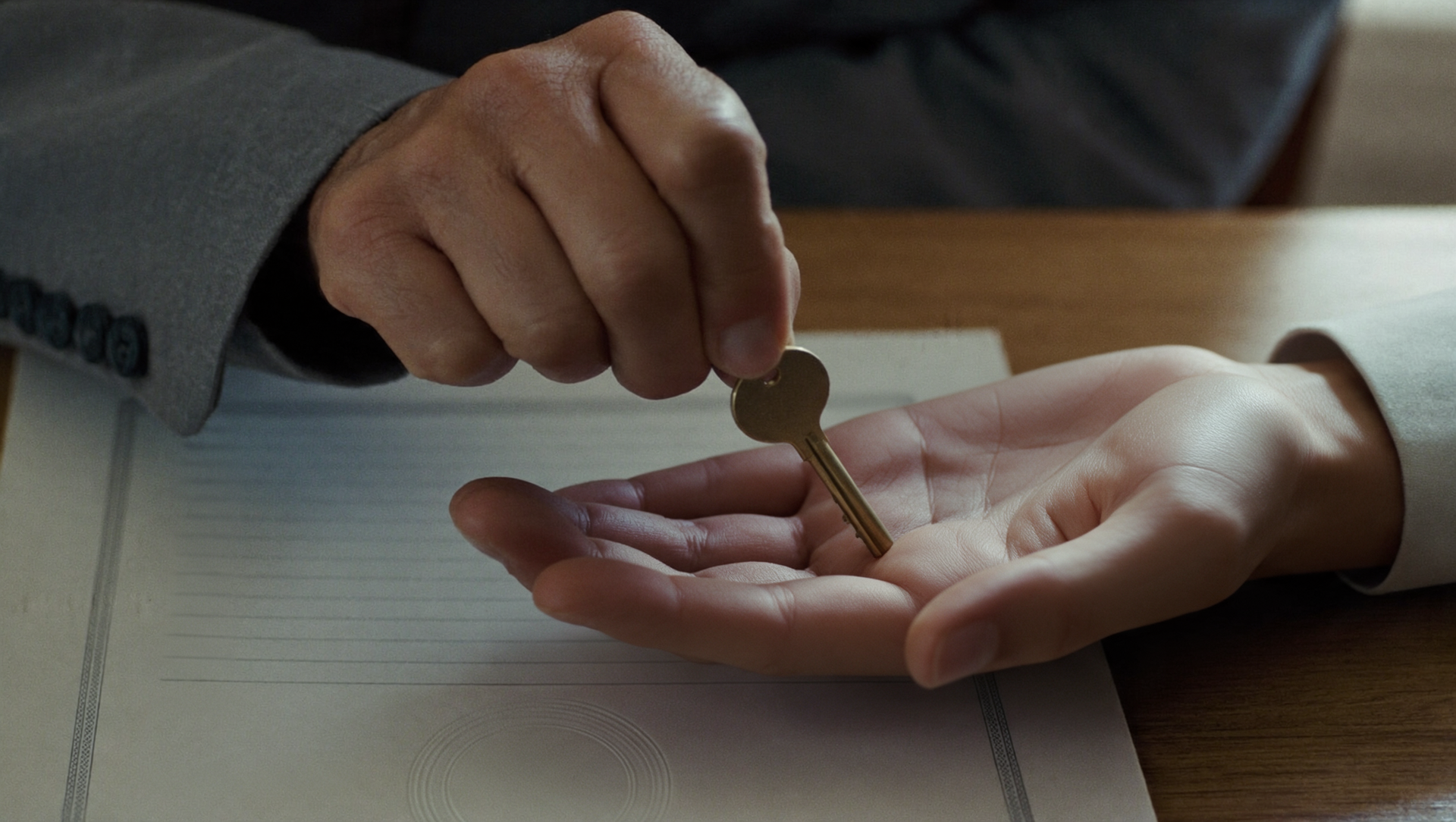
Colorado has allowed these since 2004, and for the right household they're the simplest tool there is. You sign a deed naming who gets the house at your death and record it with the county. Nothing changes while you're alive. You still own the house outright, you can sell it, refinance it, or
revoke the deed by recording a new one. The person you named has no rights until you die. At your death the house passes to them without probate, and
they take it subject to the mortgage and any liens. A will can't override it. Under the statute, the recorded deed controls even if your will says something different.
The statute is strict about one thing: the deed has to be recorded before you die. One sitting signed in a drawer does nothing.
A beneficiary deed has limits, and they're the reason it isn't the answer for everyone.
It does nothing if you're incapacitated. If you have a stroke and the house needs to be sold to pay for care, the deed doesn't give anyone authority to act. That takes a
power of attorney or a trust.
It can't attach conditions. A minor child can't take title cleanly. A beneficiary who receives needs-based benefits can lose them by inheriting a house outright, which is the problem
a special needs trust solves. Three children named together become three co-owners who have to agree on everything.
It handles second marriages badly. A deed naming your children leaves your spouse with no right to stay. A deed naming your spouse leaves your children depending on what your spouse does next.
That's a trust problem.
And it collides with Medicaid.
Colorado law says a person with a beneficiary deed in effect isn't eligible for the state's long-term-care Medicaid, and a home that passes by beneficiary deed stays open to the state's recovery claim afterward. For a veteran household that might need nursing-home coverage someday, that one provision can decide the question.
Route four: the revocable trust
A trust does everything the beneficiary deed does and covers the gaps. You deed the house to your own trust, you stay in control as trustee, and at death or incapacity the person you chose as successor steps in without a court. The trust can let a spouse stay for life and then pass the house to your children. It can keep a share in trust for a minor or a beneficiary on benefits. It can tell the trustee to sell and divide, or to keep the house in the family.
It costs more to set up, and it only works if
the deed into the trust gets recorded. A trust with the house still titled in your own name is route one with extra paperwork.
What changes for a veteran
Two things most estate planning guides never mention.
The property tax exemption. By
the Division of Property Taxation's rules, Colorado exempts half of the first $200,000 of a home's value from property tax for veterans rated 100% permanent and total, and now for those paid at that level through individual unemployability. The exemption follows the owner of record. A beneficiary deed doesn't change the owner of record, so it doesn't disturb the exemption. A transfer to your own revocable trust keeps it too, as long as you created the trust, the transfer was for estate planning, and you'd otherwise be the owner. After your death, a surviving spouse can apply to keep the exemption if the home stays their primary residence. Children who inherit don't get it.
So the route you choose should leave a surviving spouse as the owner or the trust's beneficiary with the right to live there, or the exemption ends when you do.
The VA loan.
Federal law generally bars a lender from calling a mortgage due because you moved your home into your own revocable trust while you still live there, or because it passed to a relative at your death. A beneficiary deed transfers nothing during your life, so there's nothing for a servicer to object to. Whoever inherits takes the house with the loan on it, and the plan should say plainly who that is and whether they can carry the payment. Call the servicer before you record a deed into a trust. Most will confirm in writing, and a letter in the file is worth having.
Which route fits
A single veteran with one adult child and no expectation of needing Medicaid is the case the beneficiary deed was built for. A married couple in a first marriage often does well with joint ownership between spouses and a beneficiary deed or trust for what happens after the second death. A blended family, a child with a disability, a rental property, or any chance of long-term care points to the trust.
The will still has a job in all of them. It catches what the deed and the trust missed and names the people in charge. It just shouldn't be the document the house depends on.
Where we come in
We're a veteran-led firm, and our estate planning work includes the deeds themselves: prepared, recorded, and matched to the rest of the plan. If your house is in your name alone and the only document covering it is a will,
reach out.