Every estate planning conversation eventually gets to the will and the trust, and we've walked through
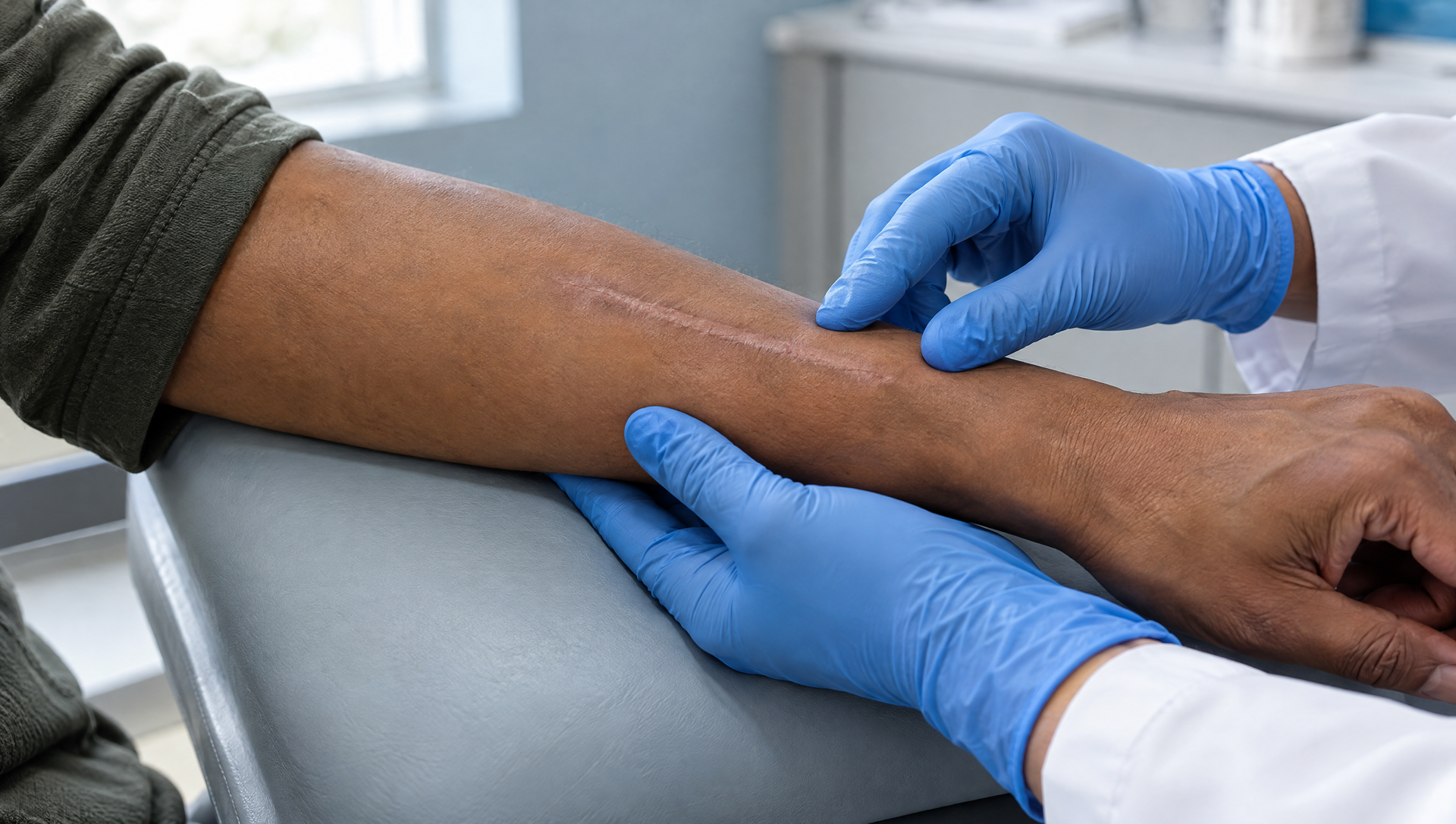
that choice in detail. But there's a set of documents that matter earlier and, for many veteran households, matter more: the ones that operate while you're alive. A stroke, a TBI's long arc, a progressive condition, a bad stretch after surgery, and suddenly the question isn't who inherits; it's who can talk to the bank, consent to the treatment, and keep the household running while you can't. Without the right documents, the answer is nobody, until a court appoints someone, publicly, slowly, and not necessarily the person you'd have picked.
Here's the living-documents layer of the plan, and the veteran-specific wrinkles that change the standard advice.
The durable financial power of attorney
A durable power of attorney names your agent, the person authorized to act on your finances: pay the mortgage, manage accounts, sign what needs signing. "Durable" is the load-bearing word; it means the authority survives your incapacity, which is the entire point. A POA that isn't durable quits at exactly the moment it was for.
Choices worth making deliberately: whether the authority is effective immediately or springs into effect on incapacity (springing sounds safer and often works worse, because someone has to prove incapacity before the document wakes up), who the successor agent is if your first choice can't serve, and how specific the powers are, because banks and institutions honor specific grants far more smoothly than vague ones. And revisit it: the agent you named at 35 may not be the right one at 65.
Health care directives: the decisions you make in advance
Two documents do this work. A medical power of attorney (health care proxy) names the person who makes treatment decisions when you can't. A living will states your own wishes about end-of-life care, so those decisions are made by you, in advance, instead of extracted from a grieving family guessing at what you'd want. Pair them, keep copies where they'll be found, and, hardest and most important, have the conversation with the person you name. A proxy who knows your wishes is protection; a proxy guessing under fluorescent lights is a coin flip carrying your name.
For veterans treated at the VA, one practical note: make sure your directives are in your VA medical records too, not just a drawer at home. The system that treats you should be reading the instructions you wrote.
The veteran-specific wrinkles
Your POA doesn't run your VA benefits. We've made this point before and it belongs in every version of this conversation: the VA operates its own
fiduciary system and makes its own call about who manages your VA money if it finds you unable to. Your durable POA governs everything else, which is most of your life, but the family should know the VA lane exists, that its determinations can be contested on their own deadlines, and that keeping a capable family member visibly involved in your VA affairs early makes them the natural candidate if that day comes.
Progressive conditions change the timeline. For a veteran carrying a TBI, early-onset cognitive concerns, or a condition with a known trajectory, the living documents aren't a someday item; they're a while-I-clearly-can item. Capacity is measured at signing. Documents executed early and cleanly are armor against later challenges; documents scrambled together after the decline has started are invitations to dispute them.
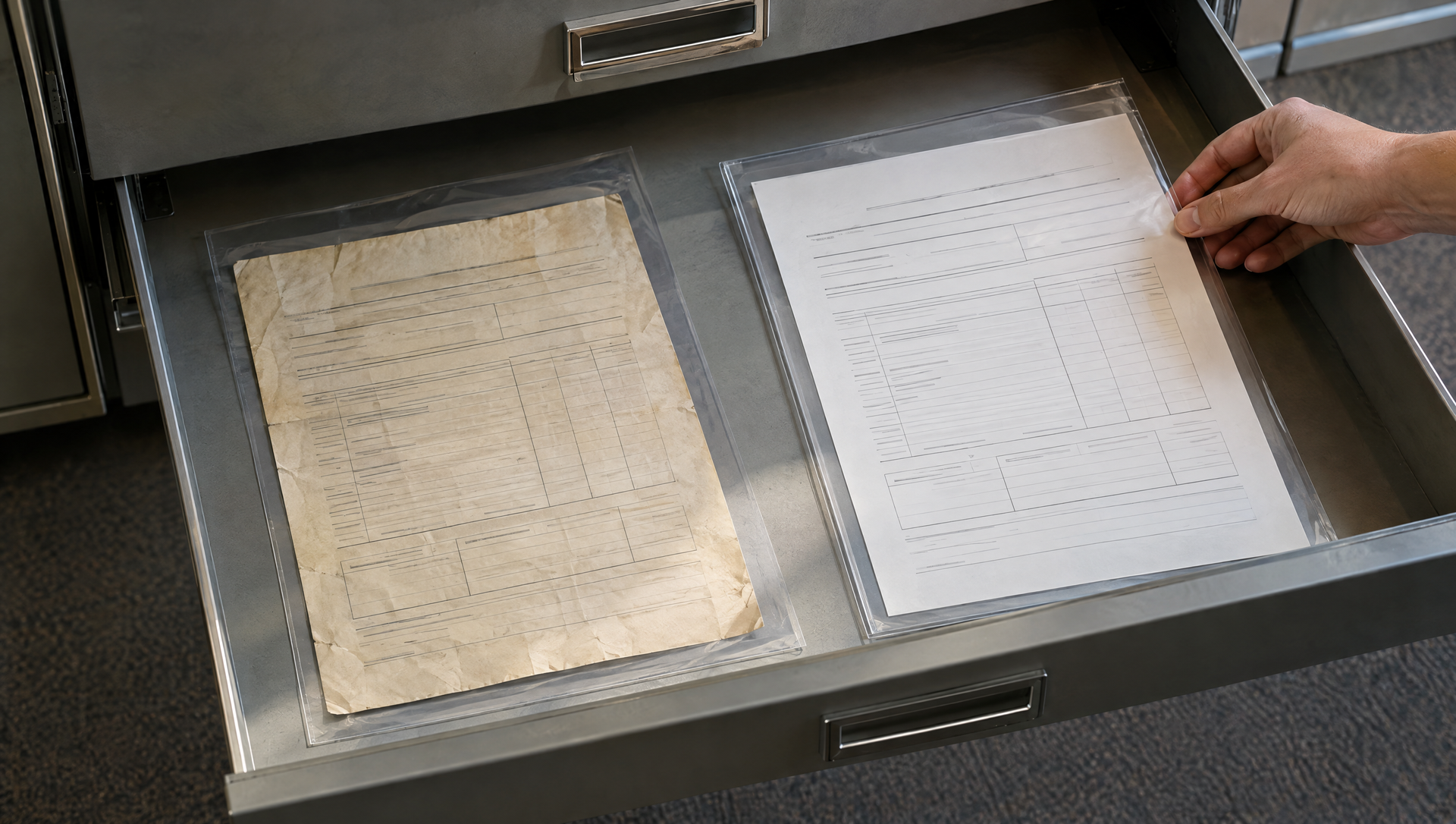
Deployment-era POAs don't age well. Many veterans' only experience with these documents is the general POA signed before a deployment, built for a year of absence, not a lifetime of contingency. If that's the document in your drawer, it likely expired, was too broad or too narrow, and named an agent from a different chapter of your life. It was the right tool then. It isn't the plan now.
The claims file belongs in the system. If you become unable to manage things mid-claim, your agent and family need to know
what's pending and where everything lives. The living documents move authority; the folder we keep urging you to build moves knowledge. Both, together, are the plan.
How it fits the rest of the estate plan
Think of the full architecture in layers. The trust and will govern what happens after you're gone, and a funded
living trust adds its own incapacity protection for the assets inside it, with your successor trustee stepping in privately, no court involved. The durable POA covers the finances outside the trust. The health care documents cover your body and your care. Beneficiary designations run beneath all of it. Miss a layer and the plan has a hole exactly the shape of a courtroom.
State law governs the formalities for every one of these, what makes them valid, what institutions must honor, so the drafting belongs in a conversation, not a downloaded form.
Where we come in
We're a veteran-led firm, and our
estate planning practice builds the whole stack for veteran households: the will, the trust, and the living documents that do the quiet, essential work in between, drafted with the VA's quirks and a veteran's actual risks in view. If your plan is a deployment POA and good intentions,
reach out and we'll build the real thing while it's easy.