In fiscal 2021, the year before the VA switched on its claims-reading software, the agency logged about 66,000 evidence-collection errors in cases that came back on appeal. In fiscal 2026 it logged more than 329,000.
An investigation published Thursday by Arizona State's Howard Center, carried by Military Times, lines those numbers up against the rollout of Automated Decision Support, the tool that scans a veteran's records, writes the summary the rater reads, and decides whether the claim needs an exam. The VA's answer: there's no evidence the tool causes errors, and the count went up because more veterans filed higher-level reviews.
Both things can be true. The number that doesn't fit the VA's explanation is the send-back rate. In 2021, about 23% of higher-level reviews were returned to the regional office because the first decision had a duty-to-assist error. In 2026, it's about 35%. More veterans appealing doesn't explain that. A larger share of the appeals finding that the VA skipped evidence does.
What the tool does
We described ADS in September when the VA announced it would expand automation. The short version: the software pulls service and medical records, searches them for keywords and data points, drafts a summary for the claims processor, and recommends whether the claim is ready to rate or needs a C&P exam. It doesn't assign a percentage. It started with hypertension claims in Boise in December 2021, was involved in nearly 300,000 decisions by 2023, was acting on claims more than 50,000 times a month by this April, and is scheduled to reach 90% of claims by the end of 2027.
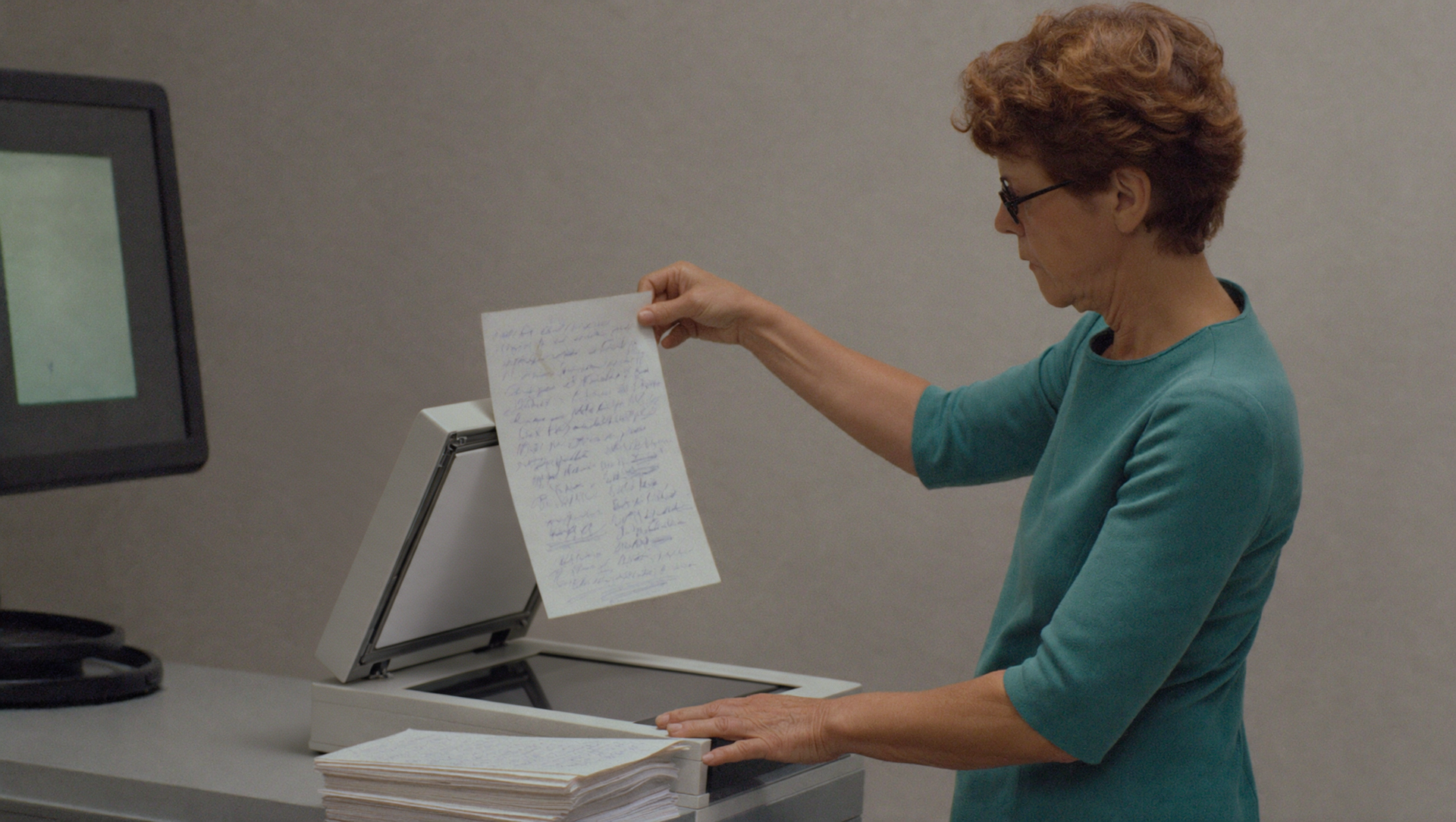
The failure pattern the investigation documents is specific. American Legion reviewers who audited regional offices in 2025 found the tool missing secondary conditions like neuropathy and muscle disorders, struggling with handwritten notes, and producing partial pictures of a file that led to partial claims. A House committee aide said it mislabels or misses evidence and fails to apply the right regulation. A Board of Veterans' Appeals decision in a 2025 asthma case found "significant discrepancies" between the ADS summary and the veteran's own service records, and sent the claim back because no asthma exam had been ordered.
That last one is the whole story in one case. The software read the file, decided no exam was needed, and the rater took the software's word for it.
Why this is a duty-to-assist problem, and why that helps you
The VA's legal obligation to develop your claim, to get the records and order the exam, doesn't change because a program did the reading. When the program misses the record or skips the exam, the resulting denial carries a duty-to-assist error, and a duty-to-assist error is the one defect that gets a decision thrown back without anyone arguing about the medicine.
That's what the 35% is. One in three higher-level reviews now ends with the VA conceding it didn't do its job before deciding. For a veteran holding a denial, the practical lesson is to read the decision for what the VA says it reviewed, compare that to what's in your file, and when the two don't match, say so in a higher-level review.
We've written about how to read the letter and
what a duty-to-assist error looks like on the page. A denial that lists three records when your C-file has nine is the signature.
The hiring announcement, in context
Six days before the investigation ran, the VA
announced it would hire more than 2,000 claims processors in fiscal 2027, on top of 13,000 already processing claims, citing a record 3.15 million claims submitted. The release repeats the 93.88% accuracy figure. It doesn't mention automation.
Read together, the two announcements describe an agency scaling both the software and the people who check it, while publishing an accuracy number that the investigation says is measured in the way that produces the highest result. Issue-based accuracy, which counts each medical condition separately, runs higher than claim-based accuracy, which counts a claim as wrong if any part of it is wrong. The 94% is the former. The 35% send-back rate is closer to the latter, and it's the one a veteran lives with.
What January changes
Wednesday's statement from the incoming House committee majority
named claims accuracy and the VA's tools as oversight targets, and the committee's Democratic staff told the investigators the errors "can be directly attributed to" ADS. A hearing on the tool, with the VA under subpoena rather than invitation, is a reasonable expectation for the first quarter. It won't fix your denial. It may produce the ADS-specific error data the VA has declined to publish, which would settle the argument this post can't.
What to do if your claim is one of the 50,000
You can't opt out of the software. You can make it harder for it to miss things. File complete records rather than pointing the VA to them, because a record the VA has to request is a record the tool may never see. Name every condition and every secondary condition on the form, since the tool rates what's claimed, not what's in the file. Type what you can; the investigation found it struggles with handwriting. And if you get an exam-free denial on a condition that's documented in your records, treat it as a duty-to-assist error until proven otherwise, because by the VA's own appeal statistics, one time in three it is.
Where we come in
We're a veteran-led firm, and higher-level reviews built on duty-to-assist errors are a large part of our appeals work. If your decision lists evidence that doesn't match your file, or denied a condition without an exam,
reach out.