Every estate plan is an act of protection. You're deciding, in advance, how the people you love get taken care of when you can't do it in person anymore. And in veteran families, more often than most, the people being protected include someone whose life runs on benefits: a child with a disability, a spouse who'll need care support, a brother or sister veteran surviving on a needs-based pension.
Here's the trap nobody warns you about. Most benefit programs that keep vulnerable people afloat are means-tested; they look at what the person owns. A well-meaning will that leaves such a person money directly can push them over the asset limits and cut off the benefits, the care coordination, and the coverage they actually live on. The inheritance arrives, the support disappears, the money burns down replacing what was free, and everyone ends up worse off than if you'd planned differently. The law's answer to this problem is the special needs trust, and it belongs in the vocabulary of every veteran doing an estate plan.
What a special needs trust actually is
A special needs trust, sometimes called a supplemental needs trust, is a trust designed to hold assets for a person without the assets counting as theirs. The beneficiary doesn't own or control the money; a trustee you choose does, under instructions you write. Because the beneficiary can't reach in and take the assets, means-tested programs generally don't count the trust against them, and the trustee can spend on the things that make a life better, the supplements the benefits don't cover: therapies, equipment, a reliable vehicle, education, travel to family, quality-of-life expenses, without dismantling the safety net underneath.
The version most relevant to estate planning is the third-party special needs trust: funded with your money, for their benefit, built either as a standalone trust or inside your will or living trust as a testamentary provision that springs into being when you're gone. Because the money was never the beneficiary's, a properly built third-party trust doesn't have to pay the government back when the beneficiary dies; what's left goes where you say, to grandchildren, to other family, wherever your plan directs. That payback point is one of several sharp differences from trusts funded with the beneficiary's own money, which follow different and stricter rules, and it's why the drafting has to get the architecture right from the start.
Where this shows up in veteran families
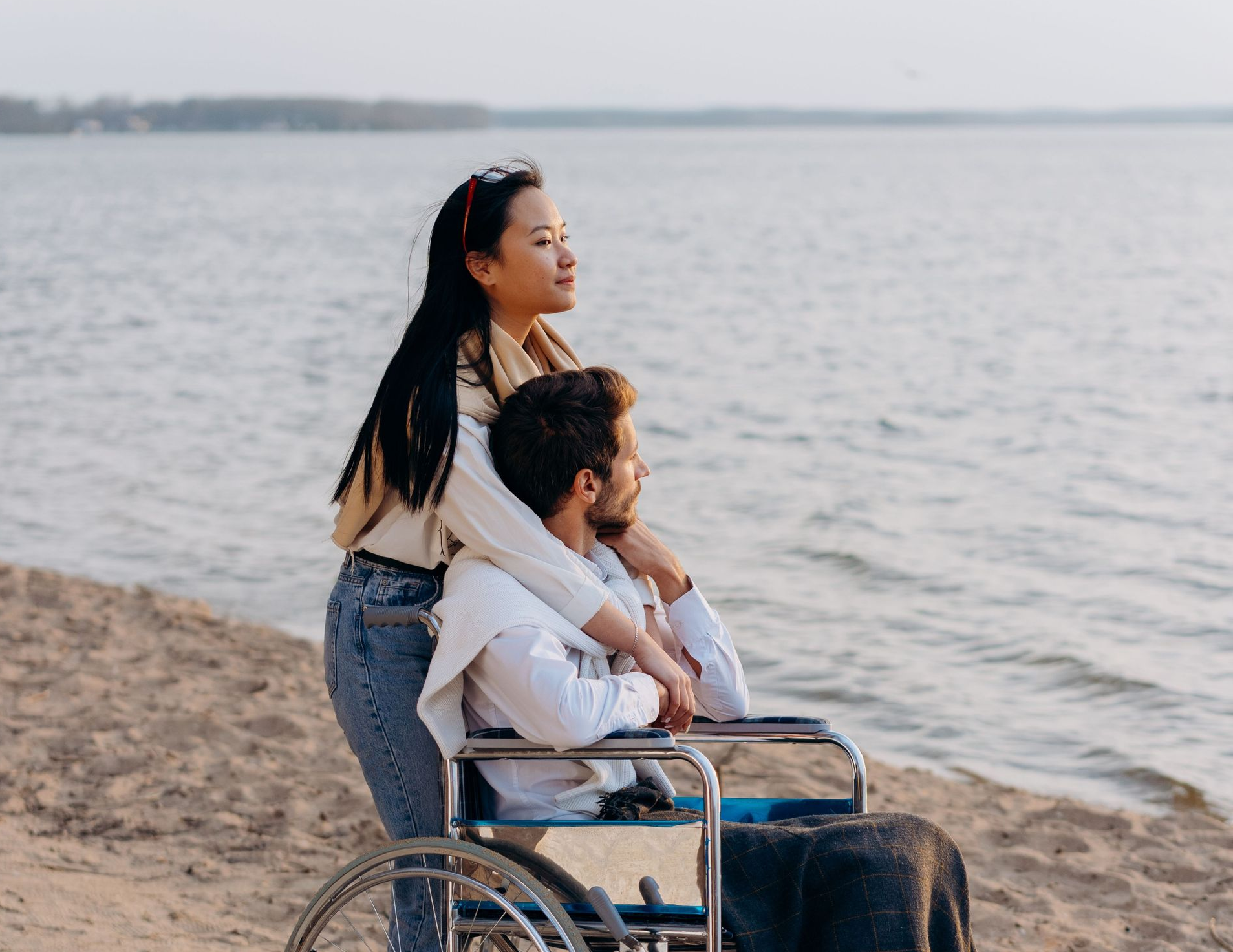
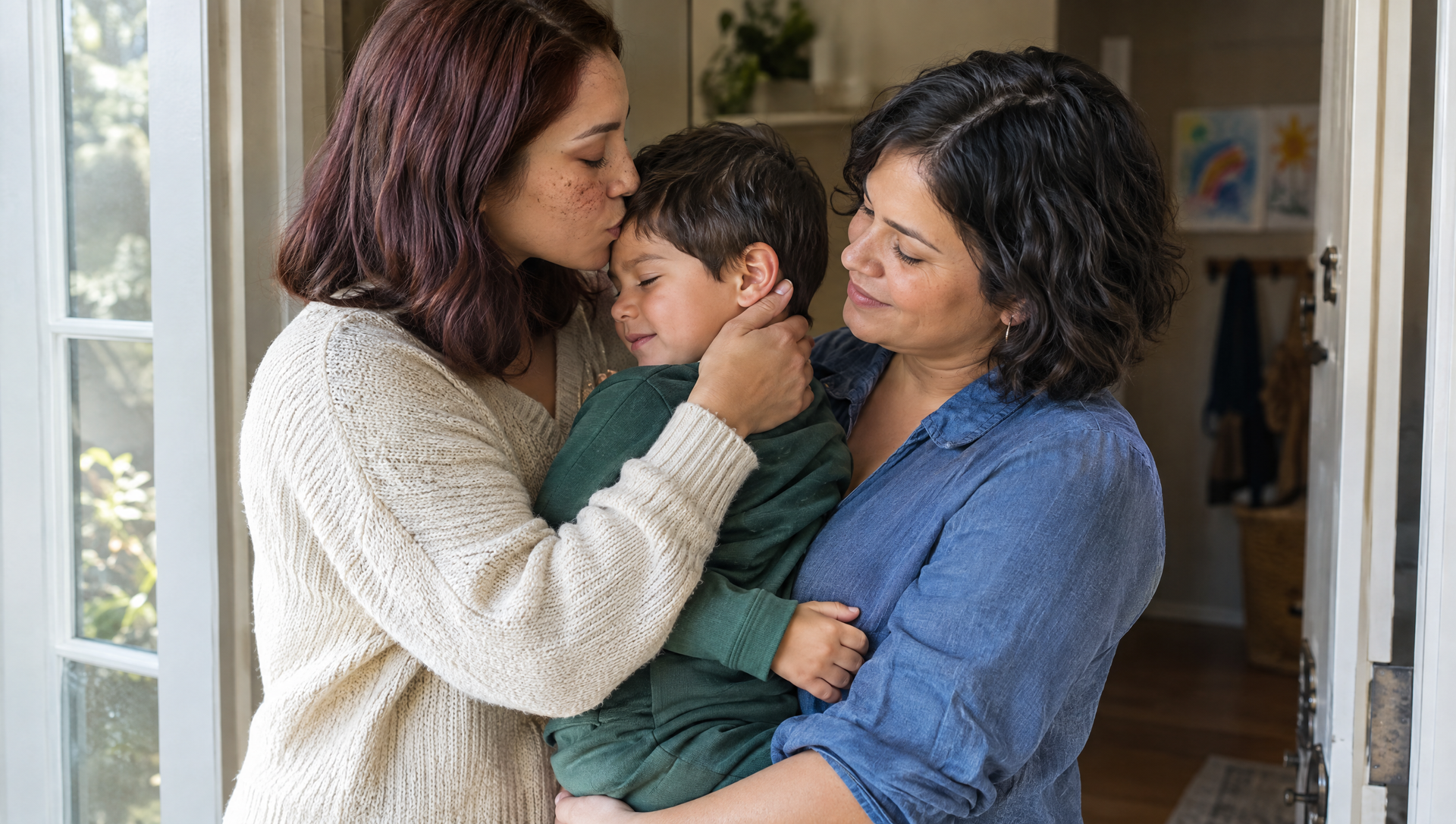
The disabled child, including the adult child. For a veteran parent of a child with a disability, this is the central estate planning question, and "leave it to my other kid and trust them to take care of their sibling" is not a plan; it's a hope, exposed to that sibling's divorces, debts, creditors, and mortality. A special needs trust makes the arrangement legal, durable, and enforceable. And for VA families specifically, benefits can flow into this picture too: a veteran's dependent child who is incapable of self-support may stay a dependent for VA purposes indefinitely, and derivative benefits tied to your rating deserve coordination with the trust rather than accidental collision.
The surviving spouse who'll need care. We've written about how
needs-based benefits and asset moves collide, and the same logic reaches your will. A spouse who may someday rely on means-tested support for long-term care can be protected better by a trust structure than by an outright inheritance, and the analysis belongs in the plan now, not in a scramble later.
The veteran beneficiary. Here's the one families miss completely. If anyone you're leaving money to is themselves a veteran on a needs-based VA pension, the inheritance math applies to them: a direct bequest can end the pension the same way any asset windfall can. Planning for your beneficiaries means knowing what they receive, not just what you're giving.
Trust versus will, one more time
This is also where the
will-versus-trust question we've walked through gets its sharpest answer. A special needs provision can ride inside a will, but a will's route to the beneficiary runs through the public probate process, with its delays and its paper trail, before the trust takes over. Build the arrangement inside a living trust instead and the handoff happens privately and immediately, probate bypassed, trustee in motion, benefits never jeopardized by an interim period where money sits in legal limbo. For a beneficiary whose eligibility gets reviewed continuously, that seam matters.
Whichever chassis carries it, the drafting is unforgiving. The trustee's discretion has to be structured correctly, distributions have to supplement rather than replace the benefits, and the rules differ by program and by state. This is the least DIY corner of estate planning; a template trust that gets the discretion language wrong can count against the beneficiary as if the trust didn't exist. Choose the trustee as carefully as the language: it's a long job, sometimes a lifelong one, and it needs a person, or a professional, with the judgment to match.
The plan, honestly
Inventory your beneficiaries, not just your assets: who receives anything from you, and does anyone's life run on means-tested support now, or plausibly will? If the answer is yes, an outright bequest to that person is a decision to gamble their safety net, and the special needs trust is how you stop gambling. Fold it into the estate plan you're already building, coordinate it with the beneficiary designations that
outrank your will, and revisit it when lives change, because eligibility, diagnoses, and programs all move.
Where we come in
We're a veteran-led firm, and our estate planning practice is built for veteran families' actual situations, including the ones where the person you're protecting depends on the very benefits an inheritance can destroy. If your plan leaves anything to someone on means-tested support, or you're not sure whether it does,
reach out and we'll build the trust that protects both the money and the safety net it was meant to sit beside.