We spend a lot of time on this blog telling veterans to check whether a presumption covers them, because
presumptions win the hardest element for free. This post is about the opposite situation, and it's sitting in our own backyard: Colorado's military installations, where the contamination is documented in stunning detail and the presumptions mostly don't exist yet. If you served at Fort Carson, Peterson, Buckley, the Air Force Academy, or the state's other installations, this is the exposure story the VA won't volunteer, and the claims path that actually works.
What's documented along the Front Range
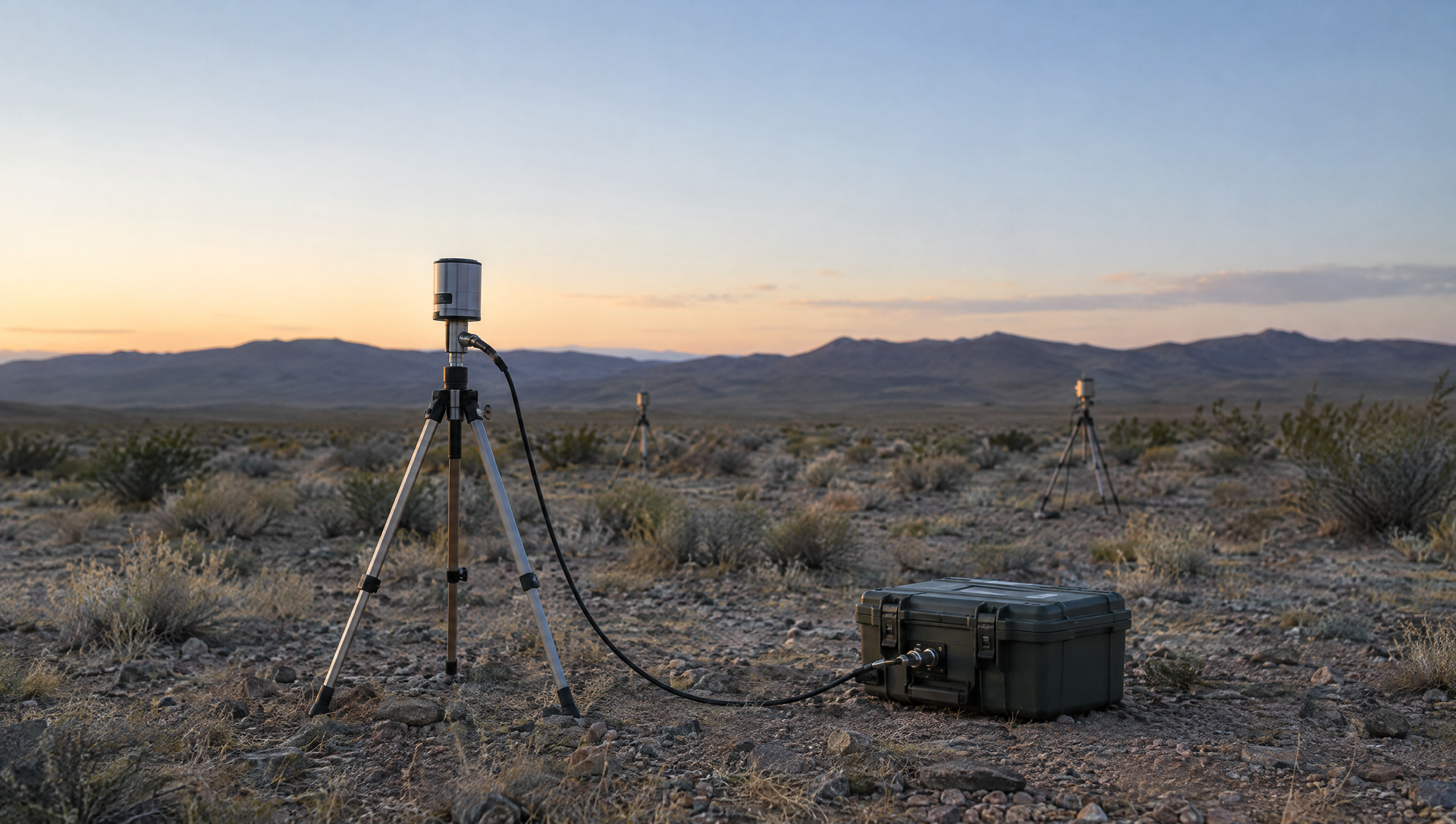
The contaminant at the center of the story is PFAS, the "forever chemicals" concentrated in the firefighting foam (AFFF) the military used for decades in training and crash response. The Environmental Working Group counts
more than 700 military sites nationwide with known or suspected PFAS discharges, and Colorado's installations feature prominently.
The numbers at the local bases are not subtle. Peterson reported PFAS levels as high as
88,400 parts per trillion in drinking water, against an EPA lifetime health advisory of 70 parts per trillion, and the foam used there
contaminated the Widefield aquifer that supplies drinking water to thousands of El Paso County residents. At Buckley, testing has revealed
PFOA concentrations reported at 190,000 parts per trillion, with contamination affecting groundwater and nearby wells, putting stationed personnel, their families, and prior-era veterans among the exposed groups.
Fort Carson veterans exposed to contaminated water who have since developed related illnesses are being evaluated for compensation claims as well, and the Academy has its own documented PFAS sites. Veterans of the state's other installations, including closed ones like Lowry, should treat their own exposure histories as worth reviewing too; closed bases carry legacy contamination questions of their own.
The health conditions being tied to PFAS in the research and litigation include kidney cancer, testicular cancer, thyroid disease, and ulcerative colitis, and
a 2023 federal study identified a direct correlation between PFAS and testicular cancer, with elevated blood levels found in Air Force servicemen who worked as firefighters.
The hard part: no presumption
Here's the legal reality that shapes everything.
Unlike Agent Orange or burn pit exposures, PFAS-related conditions are not presumptively recognized, and even the PACT Act didn't add them to the presumptive lists, which means a veteran must prove exposure and the connection to their condition individually. Veterans organizations and elected officials have been pushing the VA to make PFAS conditions presumptive, and that push may eventually succeed. But you file under the law that exists, and the law that exists makes these direct service connection claims:
the three elements, proven the ordinary way.
Which is why these claims get denied at the first pass so often, and why the denials are so frequently beatable. The VA's first-line review does poorly with claims that require assembling an exposure picture; an appeal, built properly, is where the documented reality of these bases gets put to work.
How the winning version gets built
Exposure: your records place you at the installation during the relevant years, and the contamination at that installation is a matter of public record: government testing, remediation programs, congressional correspondence. You're not proving PFAS existed at Peterson; the government's own documents do that. You're connecting yourself to the water, the training areas, the fire response work, with your assignments, your duties, and your own detailed statement. Firefighters and crash crew veterans sit at the strongest end of this spectrum, but base populations drank the water.
Diagnosis: the listed conditions, kidney and testicular cancers, thyroid disease, and others, documented and current.
Nexus: the
medical opinion connecting your condition to the exposure, grounded in the growing research literature. This is where these claims live or die, and where a generic denial ("no presumption exists") gets answered with the direct-connection case the presumption's absence requires.
One more Colorado note: this isn't only a veteran story. The contamination reached civilian water systems, and family members and civilian workers have their own litigation tracks against the manufacturers, separate from VA claims. Different fights, same water.
If you already got denied
A PFAS-era denial that reads like a form letter, "condition is not presumptive, service connection not established," is not a dead end; it's an under-built claim waiting for its
appeal. New medical opinions, exposure documentation, and the accumulating research make Supplemental Claims a natural fit here, and if the presumption push eventually succeeds, having a claim already in the system is what
protects your effective date. File now, fight now, and let any future presumption find you already in line.
Where we come in
We're a veteran-led Colorado firm, and these are our bases: we know the installations, the contamination record, and how to build the direct-connection case the current law demands. If you're filing fresh through
Valor First Claim at no charge, or you're holding a denial that never engaged the evidence,
reach out
and we'll read your exposure story the way the VA should have.