
PACT Act Claims: What Changed, Why It Matters, and How to Use It
The PACT Act is one of the biggest expansions of VA benefits in decades. That sounds dramatic, because it is. For a long time, veterans exposed to burn pits, toxic dust, and other environmental hazards were stuck proving the unprovable. The PACT Act finally admits the obvious. Breathing garbage smoke and chemical soup for months or years tends to wreck human bodies.
If you served in certain places, during certain periods, and now you’re dealing with specific conditions, the VA is no longer supposed to make you jump through flaming hoops to prove causation. That’s the whole point.

Let’s talk about what the PACT Act actually does, who it helps, and how to file a claim without accidentally kneecapping yourself.
What the PACT Act Actually Is
The PACT Act expanded VA health care and disability benefits for veterans exposed to toxic substances during service. Burn pits are the headline, but they’re not the only thing covered.
Before the Act, the VA often said, “Sure, you were exposed. Prove that your asthma, cancer, or respiratory disease came from that exposure.” Which is a neat trick when the exposure happened in a war zone with no monitoring data.
The PACT Act flips that logic. For certain conditions and certain service locations, the VA must presume the condition is related to service. Presume is the magic word here.
What Is a Presumptive Condition and Why You Want One
A presumptive condition means you do not have to prove medical nexus. You do not need a doctor writing a novel explaining how smoke plus lungs equals problems.
You still have to show three things:
- You have the condition
- You served in a covered location during a covered time period
- The condition meets VA criteria
That’s it. No causation battle. No scientific cage match with a VA examiner who skimmed your file.
Covered Locations and Service Periods
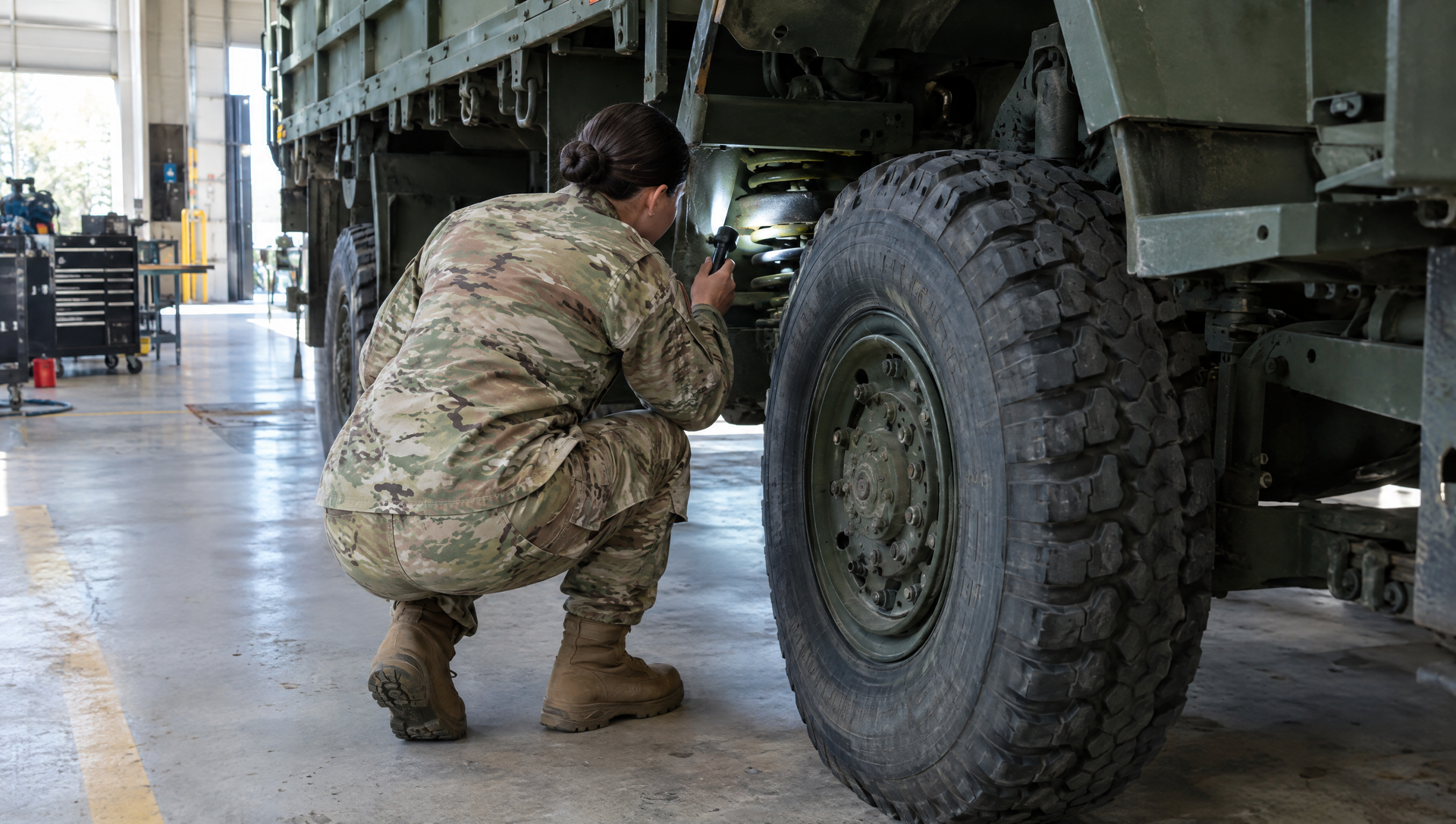
The PACT Act covers exposure in places like Iraq, Afghanistan, Kuwait, Saudi Arabia, Bahrain, Qatar, the UAE, and several other Southwest Asia locations. It also expanded coverage for Vietnam-era exposure and certain Cold War era contamination sites.
If you deployed to Southwest Asia after 1990, your odds are good that the Act applies to you. If you’re not sure, that’s normal. The VA’s explanations are not famous for clarity.
Conditions Commonly Claimed Under the PACT Act
The list is long, but here are some of the big ones veterans are filing for right now:
- Asthma
- Chronic bronchitis
- COPD
- Chronic rhinitis or sinusitis
- Constrictive bronchiolitis
- Various respiratory cancers
- Gastrointestinal cancers
- Certain head, neck, and reproductive cancers
This is not a complete list. The VA keeps updating it, sometimes quietly, sometimes with fanfare.
Filing a PACT Act Claim Without Making It Worse
Here’s the part where people get tripped up.
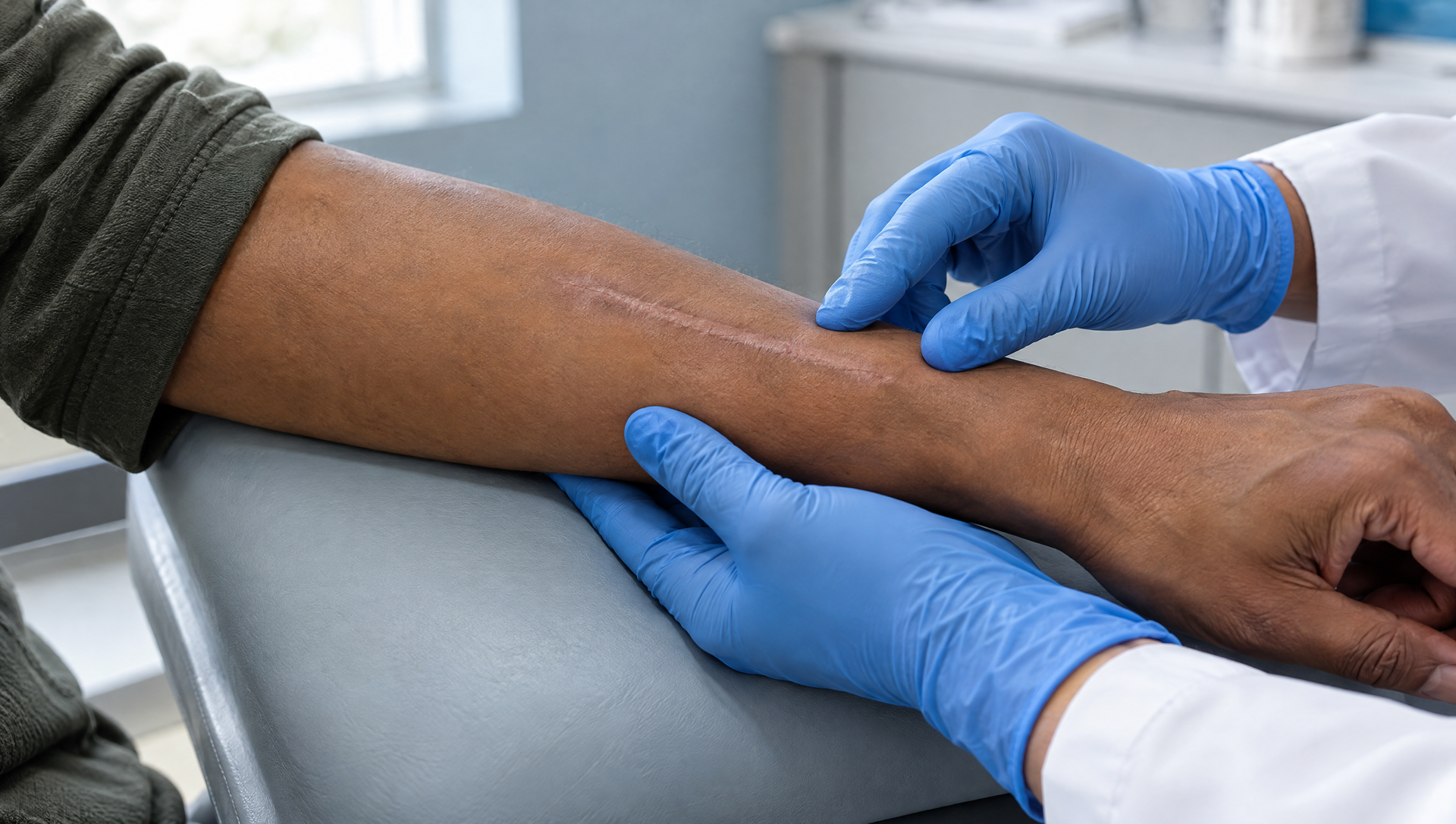
A PACT Act claim is still a VA disability claim. That means evidence still matters. Medical records matter. Dates matter. How you describe symptoms matters.
Common mistakes include:
- Filing without current medical evidence
- Downplaying symptoms because that’s what veterans do
- Filing new claims instead of reopening previously denied ones
- Letting the VA frame the issue too narrowly
The VA will not save you from these mistakes. That’s not its job. Its job is to process what you submit, not fix it.
If You Were Denied Before, Read This Slowly
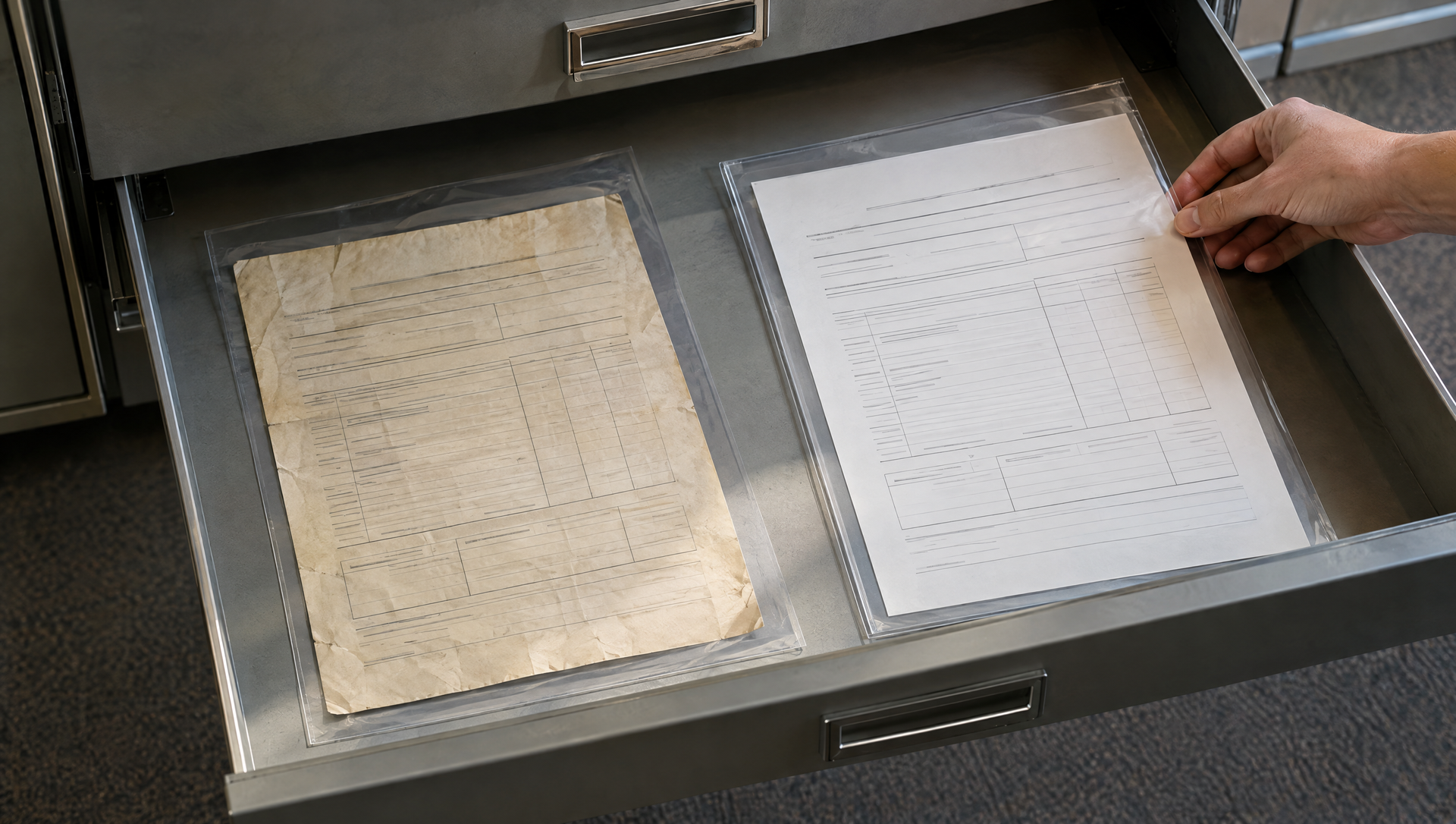
If you were previously denied for a condition that is now presumptive under the PACT Act, you may be entitled to benefits going back earlier than you think.
In some cases, the effective date can reach back to the date of the old claim. In other cases, it cannot. The difference usually comes down to how the claim was filed and preserved.
This is where strategy matters more than speed. Filing fast and filing smart are not the same thing.
Health Care and Screening Benefits Matter Too
The PACT Act is not just about compensation. It also expands VA health care eligibility for exposed veterans.
That means screenings, treatment, and monitoring even if you are not rated yet. If you are putting this off because you think you need a disability rating first, you are wrong in the most inconvenient way.
Final Reality Check
The PACT Act is a gift, but it’s not automatic. The VA will not knock on your door. You still have to file. You still have to document. You still have to respond when the VA asks questions that make no sense.
The good news is that the law is finally tilted in your direction. The bad news is that you still have to use it correctly.
If you were exposed, if you’re sick, and if the VA told you no in the past, the PACT Act is your second chance. Don’t waste it by treating it like a simple form. It isn’t.
And yes, it’s ridiculous that this took decades. Welcome to veterans law.
Recent Posts