Everything in our discharge upgrade coverage has climbed one ladder: the
review board, then the
correction board, the branch's highest administrative authority. And when the BCMR or BCNR says no, veterans hear the word "final" and believe it, because inside the military, it is.
But the boards are federal agencies, and federal agencies answer to federal courts. A correction board denial can be challenged in litigation, where a judge, owing the military nothing, reviews whether the board did its job lawfully. If that sounds exotic, consider:
Manker, Kennedy, and Johnson, the cases that forced three branches to redo thousands of decisions, were exactly this kind of lawsuit. Court review isn't a footnote to this field. It built the modern version of it.
What the court reviews, and how
The framework is administrative law: a court reviews the board's decision to ask whether it was arbitrary, capricious, unsupported by the evidence, or contrary to law. Courts give correction boards real deference on judgment calls, and the cases acknowledge it openly; a judge won't reweigh your evidence or substitute their sense of what's fair. What a judge will do is hold the board to its own obligations, and that's where these cases are won, because boards under volume cut corners that administrative law doesn't allow.
The recurring winning arguments look like this: the board ignored evidence it was required to address, especially the medical evidence at the heart of a liberal-consideration case. The board gave boilerplate where the law requires reasoned explanation, a paragraph of conclusion with no engagement of the arguments actually made. The board applied the wrong standard, or failed to apply the mental health guidance that binds it. Or the board's process itself broke its own rules. Any of those, on the record, is a lawsuit with legs.
What winning looks like
Manage expectations the honest way: courts rarely order the military to upgrade a discharge outright. The standard remedy is a remand, the denial vacated and the case sent back with instructions to do it lawfully, sometimes with the court's opinion spelling out exactly what the board failed to confront. If that sounds familiar, it's the same shape as
CAVC practice on the VA side: the win kills the flawed decision and forces a real one, and a board deciding your case with a federal opinion looking over its shoulder is a different board than the one that denied you. Many of the field's ultimate wins, including the class-wide re-reviews, arrived exactly this way.
The clock and the venue, briefly
Two structural points, stated generally because both are technical. There's a statute of limitations for suing over a board decision, measured in years, not months, which means even older denials may still be reachable, and which also means the clock is quietly running on yours. And which court hears the case depends on what you're seeking: claims aimed at correcting the record run one route, while claims that would carry significant back pay implicate another. The venue choice is consequential and case-specific, and it's one of the first questions a practitioner sorts, not something to guess at from a blog post, ours included.
What this means for your denial
Three practical takeaways. First, read your denial the way a court would: not "did I lose" but "did the board actually engage my evidence and explain itself?" A denial that never grapples with the psychiatric opinion at the center of your case isn't just disappointing; it's reviewable. Second, this is why
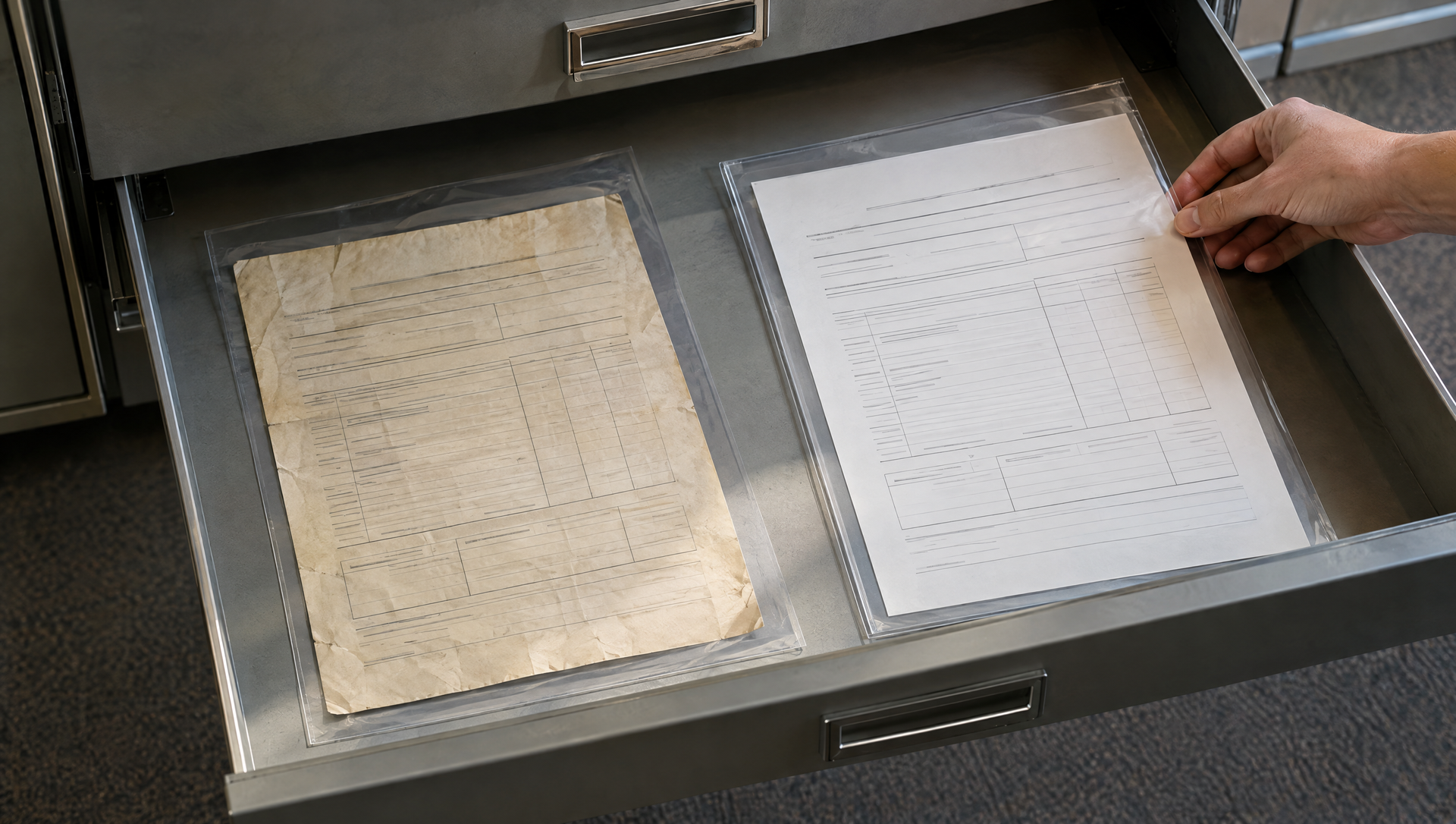
the packet we told you to build matters beyond the board: everything you put in the record is what a court can later hold the board to, and everything you left out is beyond a judge's reach. The administrative record is the battlefield, and it closes early. Third, a board denial is a fork, not a wall: reconsideration with new evidence, a fresh application, or court review, and choosing among them is strategy, driven by what your denial actually says and how your record actually reads.
If any of this touches your own story and you're struggling, support doesn't wait on any court. The Veterans Crisis Line is free, confidential, and available 24/7, whether or not you're enrolled in VA care: dial
988 then press 1, text
838255, or chat at
VeteransCrisisLine.net/Chat.
Where we come in
We're a veteran-led firm, and the correction board fight is core work, which includes knowing when a denial should go back to the board and when it's built for a courtroom. If your BCMR or BCNR denial reads like nobody actually read your case,
reach out and we'll tell you honestly which door it belongs in, and whether the clock still allows it.