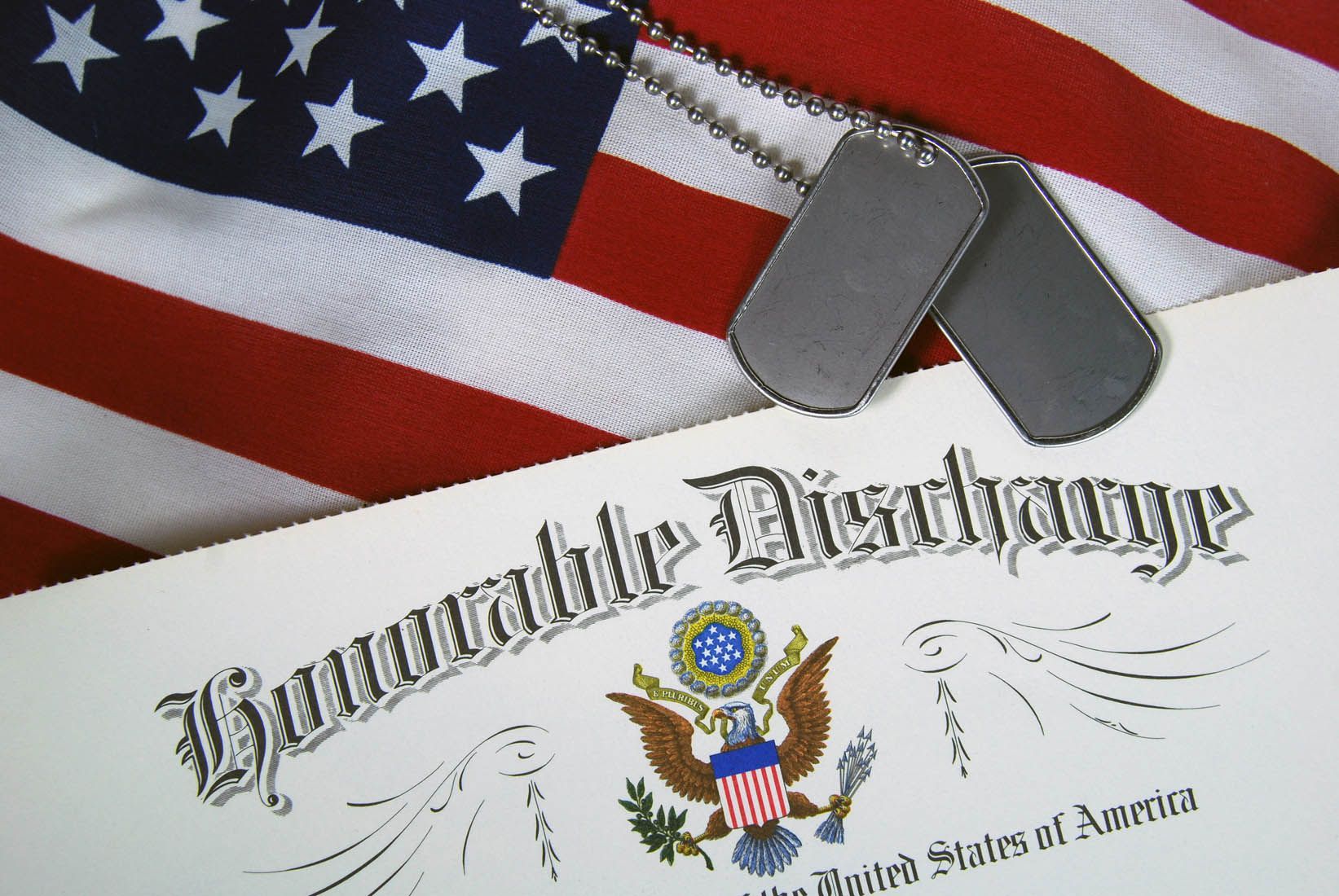
Here's the uncomfortable pattern in discharge upgrade cases. Veterans wait years to apply, finally send in the form with a heartfelt paragraph about how much they've changed, and get denied. Then they conclude the system was never going to give them a fair shake. Sometimes that's true; we've written about the
litigation that proved it. But just as often, the board never saw a case. It saw a form.
A discharge upgrade petition is an argument, and arguments need evidence, structure, and a theory. We've covered
which
board hears your case and the standards they apply. This post is about the packet itself: what goes in it, what order it tells the story in, and the mistakes that sink applications that deserved to win.
Start with the theory, not the form
Every winning petition answers one question in its first breath: why was this discharge an error or an injustice? Not "why do I deserve better," which is the instinct, but which of the board's own boxes your case checks. The strongest theories tend to be one of a few: the misconduct was the symptom of an untreated condition (PTSD, TBI, the aftermath of
military sexual trauma) that the command punished instead of treating; the separation process itself was flawed; or the punishment was wildly out of proportion to the conduct against the backdrop of otherwise solid service.
Pick your theory before you gather a single document, because the theory tells you what evidence matters. A packet without a theory is a pile; boards don't dig through piles.
The spine: your personal statement
The personal statement is the one document only you can write, and it carries more weight than veterans expect, especially in mental health cases, where the liberal consideration framework lets your own account help establish the condition. The winning version isn't a plea and isn't a novel. It's a structured, honest narrative: who you were when you enlisted, what happened (the deployment, the assault, the injury, the unraveling), how the conduct that ended your service connected to it, and what the record will and won't show and why. If you never reported what happened to you, say so and say why; boards have been explicitly told that silence in the record is common in trauma cases and can't be held against you the way it once was.
Two craft rules. Specifics beat adjectives: dates, places, names of duty stations, the sequence of events. And own the conduct plainly; minimizing or excusing everything reads as evasion, while "here's what I did, and here's what was driving it" reads as the truth. Boards are human. Credibility is currency.
The medical evidence: connecting condition to conduct
If your theory runs through a mental health condition, the packet needs medical evidence doing two jobs: establishing the condition, and connecting it to the conduct. A current diagnosis from the VA or a private provider handles the first. The second is where most packets go thin: a letter from a treating clinician or an evaluating psychologist that says, in substance, this condition existed at the time, and the behavior that led to discharge is consistent with it. That's the bridge the liberal consideration standard is built to weigh, and handing the board a professional's version of it beats asking the board to infer it.
No in-service diagnosis? That's the norm, not the exception, and it's exactly what the policy anticipates. Post-service records, current treatment, and a well-supported retrospective opinion can carry the point.
The witnesses: the people who saw the change
Statements from people who knew you before and after do something no record can: they establish the arc. The squadmate who watched you come back from the deployment different. The sibling who remembers the phone calls. The first sergeant who saw a squared-away soldier come apart. Aim for two or three focused statements over ten generic ones, and steer each writer toward what they personally observed, with timeframes: behavior, changes, incidents. Character references about who you are today have a place, especially on the injustice theory, but observation beats endorsement.
The service record: read it before the board does
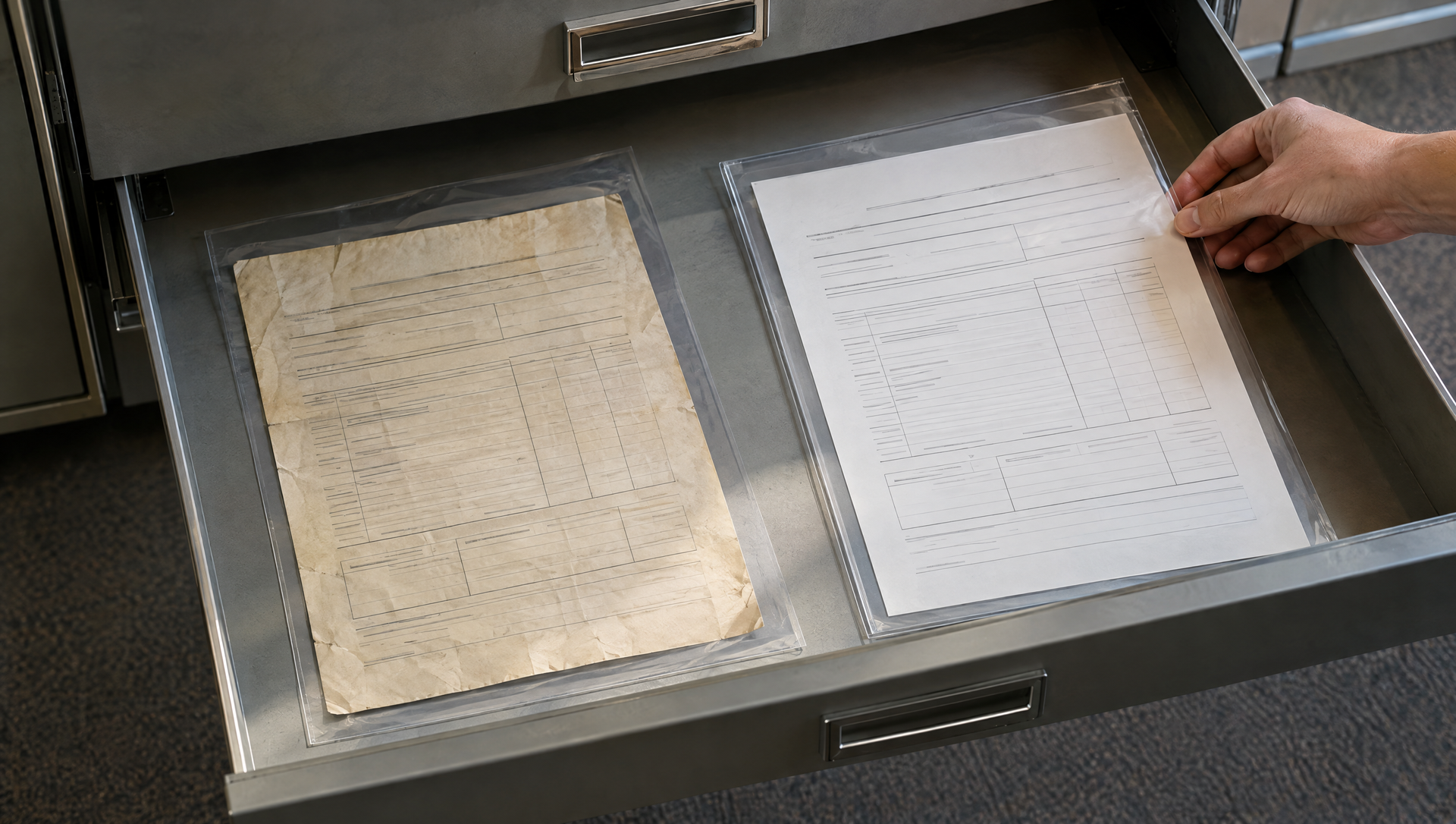
Order your complete military personnel file and service treatment records, and read every page, because the board will. You're looking for three things: the evidence that supports your theory (the strong evaluations before the decline, the sick call visits, the deployment dates that line up), the landmines (what the file says about the misconduct, so your statement addresses it head-on rather than getting ambushed by it), and the gaps your witnesses and medical evidence need to fill. A packet that engages honestly with the bad pages is exponentially stronger than one that pretends they aren't there.
Assembly: make the board's job easy
Structure the packet the way you'd want to receive it: the application form, a cover memorandum that states your theory and walks the evidence in two pages, the personal statement, the medical evidence, the witness statements, the key service-record excerpts, tabbed and referenced. The cover memo is the most underused weapon in this process; it's your lawyer's opening argument, or yours, and it means the board meets your case through your framing instead of assembling it themselves. Boards decide stacks of these. The packet that organizes itself gets understood, and understood is most of the way to won.
The mistakes that sink deserving cases
The greatest hits, so you can skip them: filing the bare form and hoping. Leading with post-service redemption while never addressing the conduct or connecting it to anything. Burying the trauma because it's hard to write about, in the one forum where it's the legal heart of the case. Ignoring what the record says against you. And giving up after one denial, when reapplication with new evidence, or escalation to the
correction board, is the designed next move, not a long shot.
If building this packet means revisiting the hardest chapter of your life and you're struggling, support doesn't have to wait on any board. The Veterans Crisis Line is free, confidential, and available 24/7, whether or not you're enrolled in VA care: dial
988 then press 1, text
838255, or chat at
VeteransCrisisLine.net/Chat.
Where we come in
We're a veteran-led firm, and building these cases is core work for us: the theory, the medical bridge, the record review, the packet the board can't wave off. If your discharge deserves another look and you want it built right the first time, or your first application went in bare and came back denied,
reach out and we'll tell you honestly what your case needs.