Here's a number that catches a lot of veterans off guard: you can be rated at 70%, or even 60%, and still draw the full 100% compensation check every month. No 100% rating required. The VA doesn't advertise this, and plenty of veterans grind for years trying to claw their combined rating up to 100% when there was a faster door the whole time.
It's called Total Disability based on Individual Unemployability, or TDIU (some folks just say IU). The idea behind it is simple. If your service-connected conditions keep you from holding down a steady job, the VA can pay you at the 100% rate even when the rating schedule says you're not there yet. For a single veteran in 2026, that's $3,938.58 a month, tax-free, and more if you've got dependents.
What TDIU actually is
A regular 100% rating is about severity. Your conditions are bad enough, on paper, to add up to total disability under the rating schedule. TDIU comes at it from a different direction. It's about work. The question isn't whether your conditions hit some magic percentage. It's whether they stop you from earning a real living.
That distinction matters, because the VA's combined-rating math has a way of stranding veterans in the 70s and 80s no matter how many conditions they pile on. If you've ever stared at your decision letter wondering how four serious disabilities only "add up" to 80%, you already know how
VA math works against you. TDIU is the path that doesn't care about the math, as long as you can show the conditions you do have make work impossible.
The two ways to qualify
There are two doors into TDIU, and you only need one.
The schedular path has rating thresholds. You qualify if you've got one service-connected condition rated at 60% or higher, or a combined rating of 70% or higher with at least one condition rated at 40% or more. Meet one of those and you're through the rating gate, though you still have to prove the unemployability part.
The extraschedular path is for veterans whose ratings fall below those numbers but who genuinely can't work because of their service-connected conditions. These claims get kicked up to a VA office that reviews them individually, and they live and die on the strength of the record. Harder to win, but the door is real, and a lot of veterans don't know it exists.
The myth that stops people cold
The misconception that keeps eligible veterans from ever filing goes like this: "I still work a little, so I can't be 'unemployable.'"
Not true. TDIU doesn't require you to sit at home earning zero. What it bars is substantially gainful employment, basically a steady job that pays above the federal poverty line. You can do what the VA calls marginal employment and keep your benefits. Odd jobs. Part-time work that stays under that income line. Even a job that pays more than the threshold can still count as marginal if it's a "protected" or sheltered setup, like a family business that keeps you on despite missed days, or a position carved out with so many accommodations it wouldn't exist in the open market.
So the real test isn't "do you earn a dollar." It's whether you could get and keep a normal, competitive job that actually supports you. A lot of veterans who assumed they were disqualified aren't.
It's about work capacity, not toughness
The cleanest way to think about TDIU: the question isn't whether you can grind through a good day. It's whether you can hold a job over time. Show up reliably, week after week, the way an employer needs.
That reframe matters because veterans talk themselves out of these claims. They push through, they downplay, they figure other guys have it worse. But TDIU exists precisely for the veteran whose PTSD, chronic pain, or
mental health conditions make steady employment unrealistic even though no single condition is rated at 100%. The VA also can't hold your age against you here, and it can only weigh your service-connected conditions, not the unrelated stuff.
The forms, and the evidence that wins
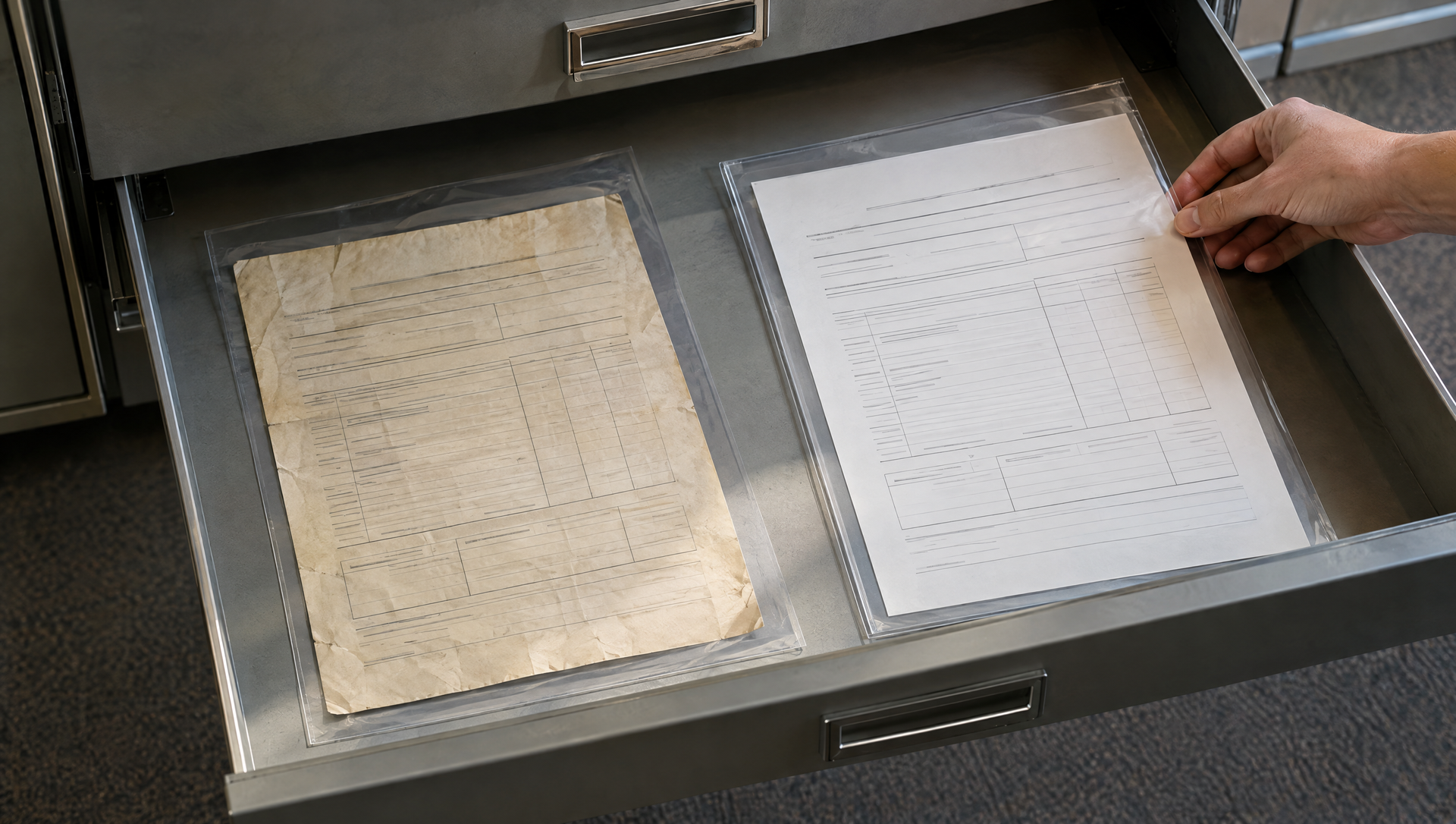
You apply for TDIU with VA Form 21-8940, the unemployability application. There's usually a second form too, VA Form 21-4192, which goes to your most recent employers for their account of your work history. One catch: you have to sign the 21-8940 yourself. A representative can't sign it for you.
But the forms are the easy part. TDIU claims are won on evidence that connects your conditions to your inability to work, and that's exactly where most denials happen. The pieces that move these cases: medical opinions that speak to functional limits, not just symptoms; your work history showing the jobs you lost or couldn't keep; statements from former employers or coworkers; and sometimes a vocational expert's assessment. Lay evidence carries weight too.
A statement from you and the people who've watched you struggle to keep a job can land as hard as the medical file. The more the record spells out the line from your disability to your unemployability, the harder it is for the VA to wave it off.
Why these claims get denied
Most TDIU denials aren't because the veteran wasn't eligible. They're because the record had a gap. The medical evidence documented the condition but never tied it to work, or the claim leaned on "I feel terrible" instead of "here's why I can't hold a job." The standard is specific, and a claim that doesn't speak to it gets denied even when the underlying reality clearly qualifies.
That's appealable. If you've been denied TDIU on a thin record, that's often a case that turns around on
appeal once the unemployability evidence is actually built and put in front of the VA.
The catch
Two things to go in with your eyes open about. First, TDIU isn't the same as a schedular 100% rating when it comes to working. A veteran with a true 100% schedular rating can earn whatever they want. On TDIU, going back to substantially gainful work can cost you the benefit, and the VA checks. It periodically sends a questionnaire (VA Form 21-4140) to verify you're still eligible. Don't ignore that form. Not returning it can get your benefits cut on its own. Second, like any claim that puts your conditions back under review, filing can open the door to a re-look. That's not a reason to avoid filing. It's a reason to file with the record in order.
When TDIU is granted, the back pay can be significant, calculated from when you became unable to work or filed, whichever the evidence supports. Getting that effective date right is its own fight, and it's often worth more than veterans expect.
If you can't work and your rating won't get you there
We're a veteran-led firm, and TDIU is a core part of what we do, including the claims the VA denied because the unemployability evidence was never built right. By law we can't charge to file an initial claim. We come in after a decision, when
TDIU
gets denied or lowballed and it's time to appeal. If your service-connected conditions have made steady work impossible and your rating hasn't caught up to that reality,
reach out
and we'll give you an honest read on whether TDIU is your path.