Two threads in recent VA news point the same direction. The department has been leaning on automation to cut processing times, and a new executive order pushes further, directing expanded use of automated decision support for claims filed by separating service members. Meanwhile, the VA reports accuracy figures climbing while independent reporting has found error rates moving the other way.
Set the argument aside for a moment. Whatever the tools turn out to do well or badly, their spread changes what a smart claim looks like, and veterans should adjust accordingly.
What automation is and isn't doing
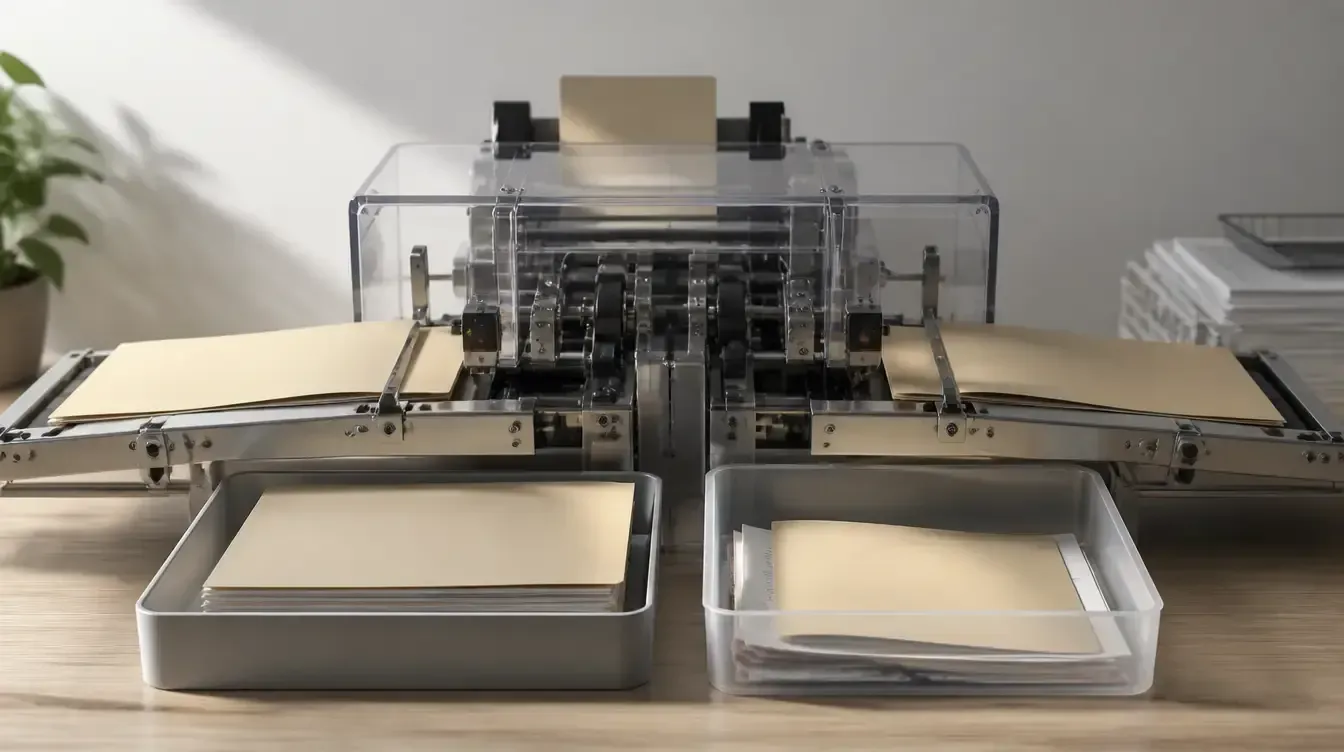
What's publicly known is narrow. The VA has deployed automation in evidence gathering and decision support, meaning software that pulls records, flags data, and surfaces recommendations for human raters. The department describes these as tools supporting decision-makers rather than replacing them. The exact scope varies by claim type and keeps expanding.
Nobody should claim, in either direction, that a robot is denying your claim or that automation has pushed humans out. What's changed is narrower: more of your file gets read, sorted, and characterized by software before a person ever sees it.
Three ways this changes claim strategy
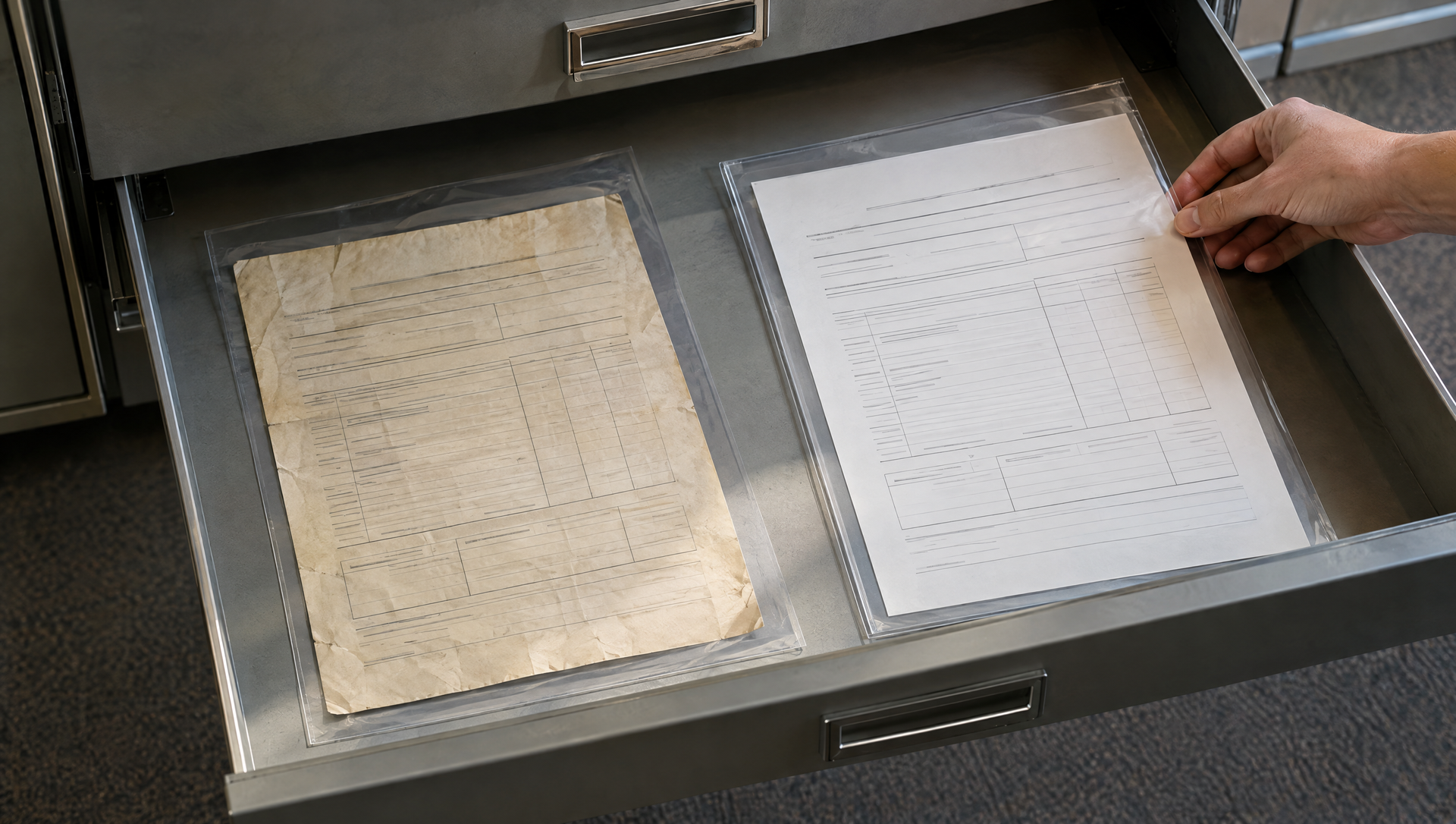
Structure beats narrative. A human reader can follow a story told out of order. Software keys off data: diagnoses, dates, codes, findings. The practical response is the one we've been recommending anyway, which is organizing your evidence
by condition and by element so that what supports what is unmistakable rather than inferable.
Explicit beats implied. If a condition, an issue, or a theory isn't stated plainly in your filing, don't count on anything extracting it. That principle got legal teeth in
Davis v. Collins, where the Federal Circuit made clear that unraised questions may go undecided. Automation pushes the same direction from the technical side: name every condition, name the effective date you're seeking, name the secondary connections.
The exam carries even more weight. Structured exam findings are exactly the kind of data automated tools consume well. So what your examiner writes down, and therefore
what you say and how completely you say it, carries more weight than ever.
The accuracy dispute
The VA points to improving internal accuracy metrics alongside faster processing. Independent reporting and the VA's own inspector general have found higher error rates than internal checks capture, and we've
written about that gap. Automation sits in the middle of that dispute: it can reduce clerical error and it can also produce confidently wrong results at scale, depending on the data it's fed and the guardrails around it.
The veteran-level takeaway doesn't depend on resolving that argument. Read every decision closely, on
the checks that catch errors, because a fast decision produced with tool assistance is exactly as appealable as a slow one produced by hand. If the reasoning doesn't match your file, that's a decision to challenge regardless of what produced it.
Where we come in
We're a veteran-led firm, and our end of this doesn't change with the technology: building files that say plainly what they need to say, and reading decisions that don't hold up. If yours came back fast and the reasoning doesn't track your record,
reach out and we'll take it apart.