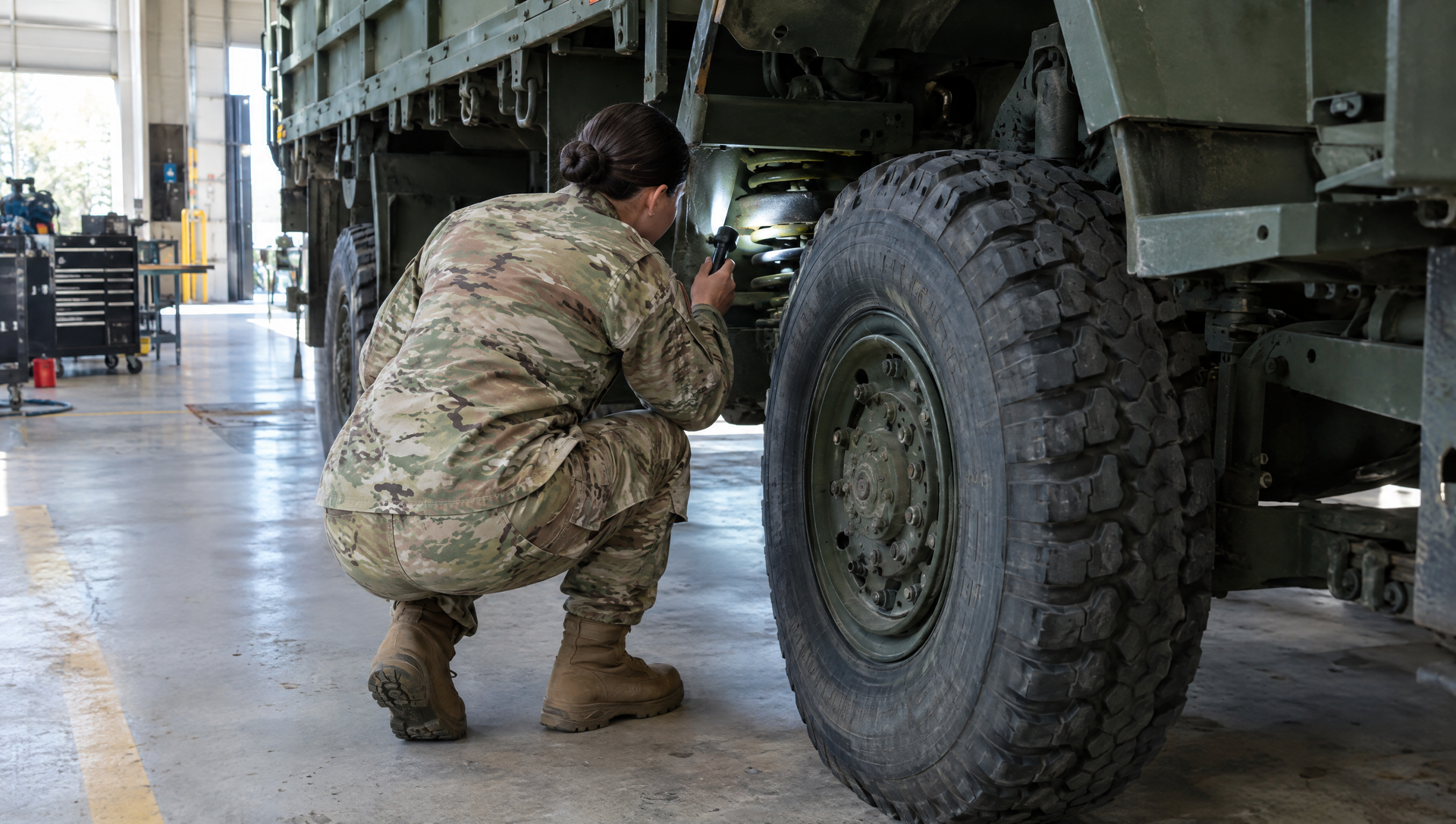
If you served in Southwest Asia and have spent years with symptoms no doctor could name, there's a deadline on your calendar you probably don't know about. Under current regulations, qualifying Gulf War undiagnosed illnesses and medically unexplained chronic multisymptom illnesses must manifest to a degree of at least 10 percent by
December 31, 2026 to qualify for presumptive service connection.
That's a little over three months from now.
What the presumption covers
The Gulf War presumption is unusual and generous, because it was written for exactly the problem Gulf War veterans faced: real, disabling symptoms that testing couldn't attribute to any known disease. Rather than requiring a diagnosis and a nexus, the regulation presumes service connection for qualifying chronic disabilities in veterans who served in the Southwest Asia theater.
Three categories fall inside it. Undiagnosed illnesses, meaning chronic symptoms that testing can't pin to a diagnosis: joint and muscle pain, headaches, fatigue, sleep disturbance, gastrointestinal, respiratory, cardiovascular, skin, and neuropsychological symptoms, unexplained weight loss. Medically unexplained chronic multisymptom illnesses, which includes chronic fatigue syndrome, fibromyalgia, and functional gastrointestinal disorders like IBS. And a defined list of infectious diseases tied to service in the region.
One update many veterans missed: after the PACT Act, Afghanistan service on or after August 2, 1990 counts for this presumption too. If you assumed this was a 1991 Desert Storm rule, check again.
What the deadline demands
A lot of online coverage gets this wrong, and the distinction decides cases. The regulation requires that the qualifying chronic disability became manifest during service in the theater,
or to a degree of 10 percent or more no later than December 31, 2026.
That's a rule about when your condition showed itself and reached a compensable level, documented. It isn't, strictly speaking, a filing deadline. But treat it as one anyway, for a practical reason: proving that symptoms reached 10 percent before a date you've already passed is far harder than proving it with contemporaneous records. The veterans who get hurt by this rule are the ones whose symptoms were real for years and unwritten the whole time.
And notice what the undiagnosed-illness category doesn't require: a diagnosis. The absence of one is the point. What you need is objective evidence of chronic symptoms, medical records, examination findings, and documentation of how the symptoms limit you.
What to do in the next three months
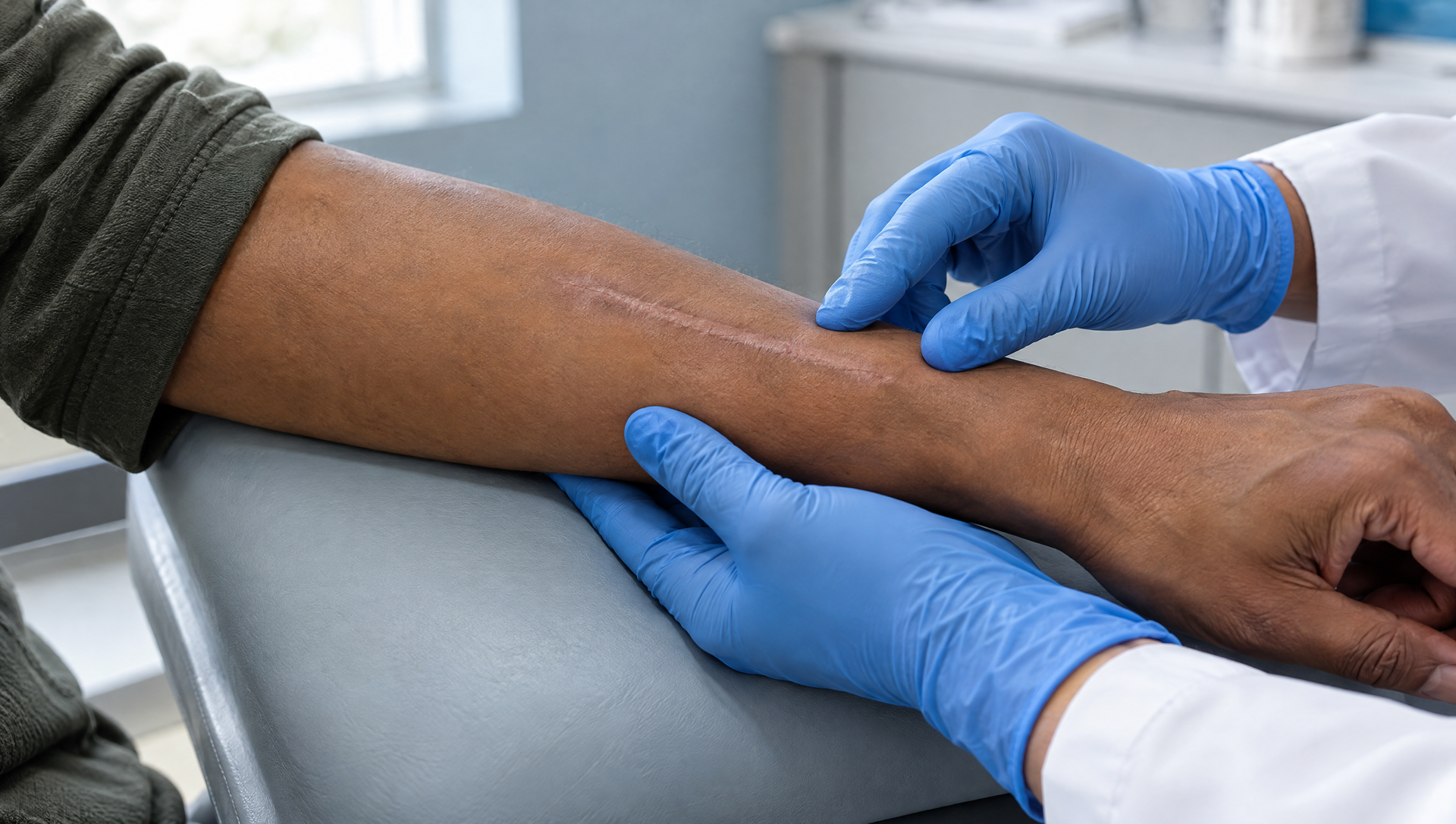
See a provider and get the symptoms written down. Every symptom, its frequency, its severity, how long it has been going on, and how it affects your work and your daily life. Records created now are what establish manifestation before the deadline.
File, or at least protect your date. An Intent to File plants your flag while you build. We've covered
why the date is worth money, and it applies with extra force against a hard regulatory cutoff.
Document severity, not just existence. The rule requires 10 percent or more, which is a severity threshold. "Occasional joint pain" and "joint pain that costs me three work days a month" are different records.
Don't wait on an extension. The window has been extended before, from 2001 to 2006, 2011, 2016, 2021, and now 2026. It may be extended again. Nobody has announced one, and building a claim around a hoped-for rulemaking is a bad plan when the alternative is a doctor's appointment.
If you already got denied
Old Gulf War denials deserve another look under current rules, particularly if they predate the PACT Act's expansion of qualifying locations or were denied for lack of a diagnosis. That's
supplemental claim territory, and the
presumption framework may cover you now in ways it didn't then.
Where we come in
We're a veteran-led firm, and Gulf War claims are among the most frustrating in the system precisely because the symptoms resist naming. Through
Valor First Claim we represent veterans on initial claims at no charge, and with this deadline approaching, that help is worth using now rather than in January.
Reach out and let's get your symptoms on the record while the window is open.