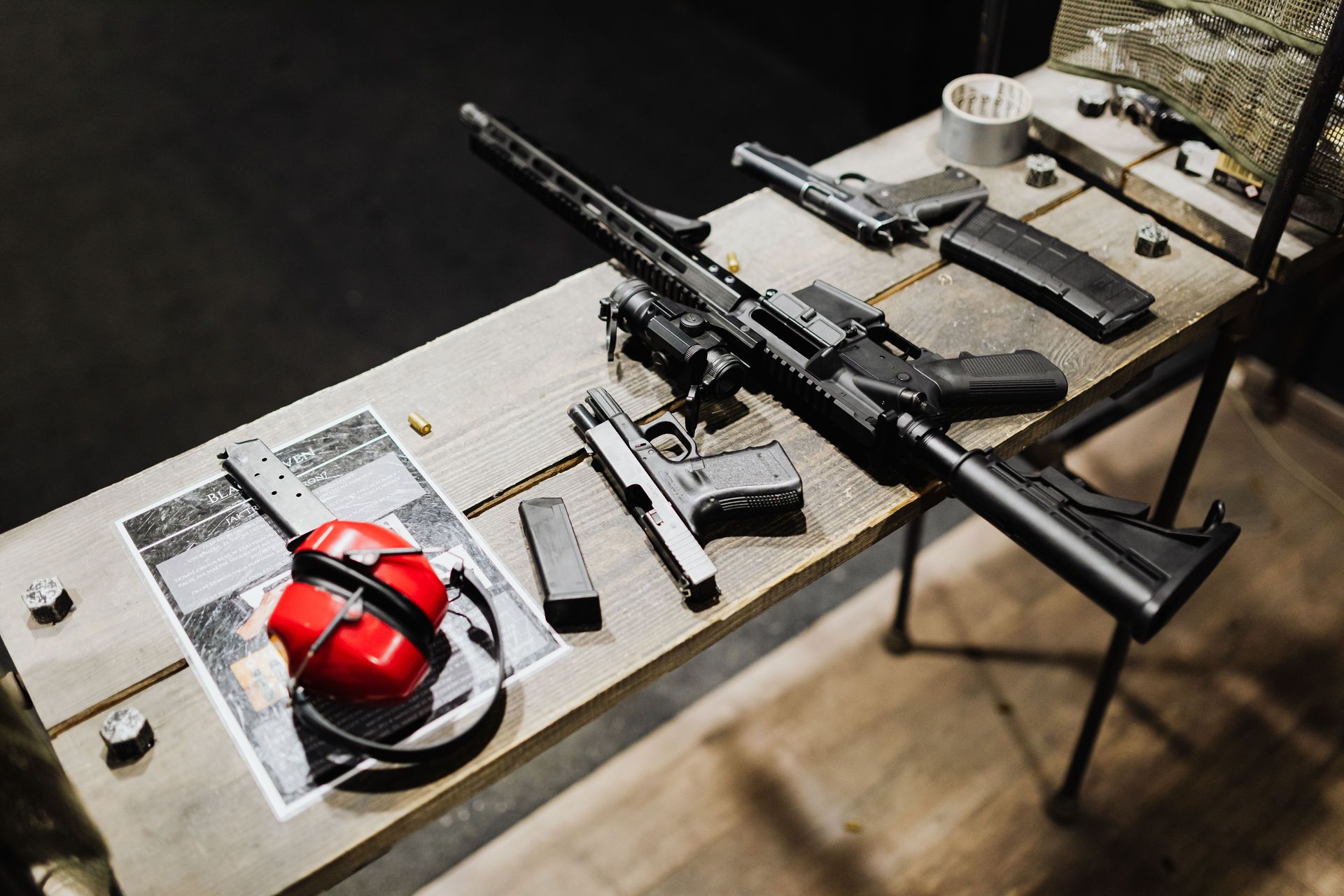
Estate planning conversations cover the house, the accounts, the truck. Then everyone walks past the gun safe like it's furniture. For veteran households, that's backwards. Firearms are often among the most valuable, most sentimental, and most legally complicated property in the estate, and they're the only asset on the list where a well-meaning mistake by your executor can be a federal crime.
So let's treat the safe like what it is: property that needs a plan. What a will does with firearms, where it falls short, what a gun trust actually is, and the handful of rules your family needs to know before anyone opens that door.
Why guns aren't like the truck
Every other asset in your estate transfers on paperwork alone. Firearms transfer on paperwork plus eligibility, and that second part is where estates go wrong. A person who's legally prohibited from possessing firearms (a felony record, certain domestic violence history, some adjudications) can't inherit one, no matter what the will says, and an executor who hands one over anyway has committed a crime, not a clerical error. Cross a state line to deliver grandpa's rifle to a nephew and you've added interstate transfer rules to the mix. None of this is exotic; it's the ordinary week after a funeral in a family that didn't know.
And that's just conventional firearms. If the collection includes anything regulated under the National Firearms Act, suppressors, short-barreled rifles, certain other items veterans are statistically more likely than most to own, the rules tighten dramatically. NFA items are registered to a specific owner, transfers run through a federal approval process, and possession by anyone who isn't the registered owner can itself be a felony. That includes, in the worst reading, the widow who simply keeps the safe closed and the items where they've always been.
What a will does with firearms, and where it strains
A will can absolutely leave firearms to chosen people, and for a modest collection of conventional guns going to eligible adult beneficiaries in the same state, a will plus an informed executor is often enough. But the will approach has three structural weaknesses. It's public, meaning the probate file can catalog your collection for anyone who cares to look. It's slow, leaving the guns in legal limbo while probate runs, in the custody of an executor who may know nothing about firearms law. And it does nothing during your life: if you're incapacitated, or if an NFA item needs handling while you're alive but unable, the will is a spectator.
What a gun trust actually does
A gun trust is a trust drafted specifically to own firearms, most valuable for NFA items but useful beyond them. The trust, not you personally, holds title. That single change does several jobs at once.
It allows shared lawful possession: co-trustees you name can legally possess and use the trust's NFA items, instead of the one-registered-owner bottleneck. It builds in succession: when you die or become incapacitated, your successor trustee administers the firearms under the trust's instructions, outside probate, privately, without the collection sitting ownerless. It embeds the compliance: a well-drafted gun trust instructs the trustee on eligibility checks, transfer procedures, and what to do with items a beneficiary can't lawfully receive, which converts your executor's legal minefield into a checklist. And for estate transfers of registered NFA items to heirs, the process runs through the government's estate-transfer channel; a trust doesn't eliminate that, but it makes sure someone with instructions is driving.
The honest caveats: a gun trust is a specialized document, not a form off the internet, and a badly drafted one creates the exact liability it was meant to prevent. It has to be maintained; trustees who become prohibited persons have to come off. And state law layers on top of everything federal, so what works in one state can be incomplete in the next.
The veteran-specific pieces
Three things earn their own mention for this audience. First, collections in veteran households tend to be larger and to include exactly the categories, NFA items, war trophies, inherited service weapons, where the rules bite hardest; a bring-back with no paperwork is its own legal problem, and the estate is the worst possible moment to discover it. Second, if the estate plan we've urged you to build already includes a
revocable living trust, understand that firearms usually deserve their own separate trust rather than a line item in the general one; the general trust's trustees weren't chosen for firearms eligibility, and its terms weren't drafted for federal gun law. Third, write down what you want: which items are heirlooms with a named person attached, which can be sold, and who your knowledgeable person is, the trustee or friend who can tell a curio from a felony. That page belongs in the same folder as
the rest of your plan.
The plan, in one paragraph
Inventory the safe, honestly, including anything with murky paperwork. Decide who gets what, and verify those people can lawfully receive it. Put NFA items, and any collection with real value or complexity, into a properly drafted gun trust with successor trustees who are both trusted and eligible. Cover the rest in the will with clear instructions and an executor who knows to check eligibility before handing anything over. And tell your family the plan exists, because the most dangerous version of all of this is the safe nobody was prepared to open.
Where we come in
We're a veteran-led firm, and our
estate planning practice is built for the assets veteran families actually have, including the ones behind the combination lock. If your plan handles the house and the accounts but goes silent at the safe,
reach out and we'll finish the plan properly.