




PTSD and Mental Health
 Read More
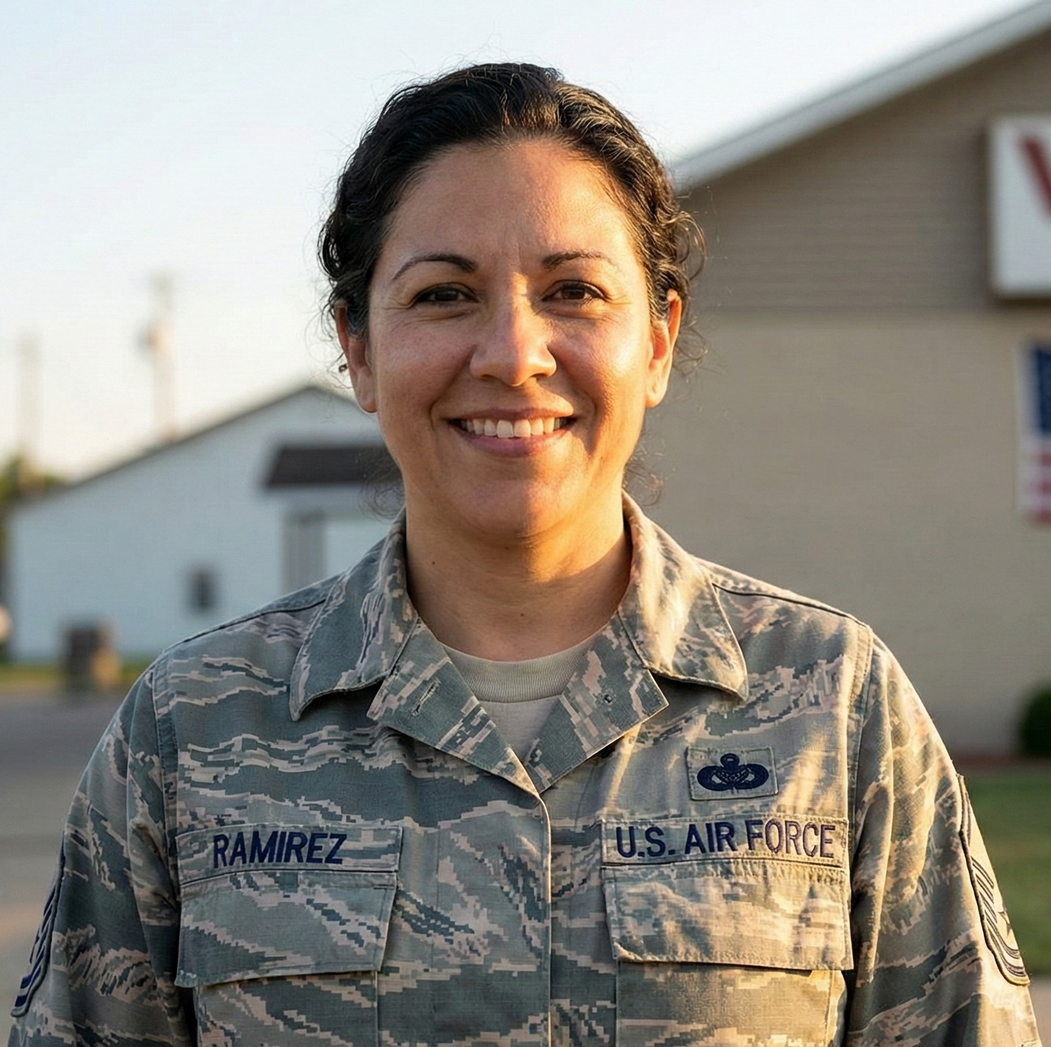
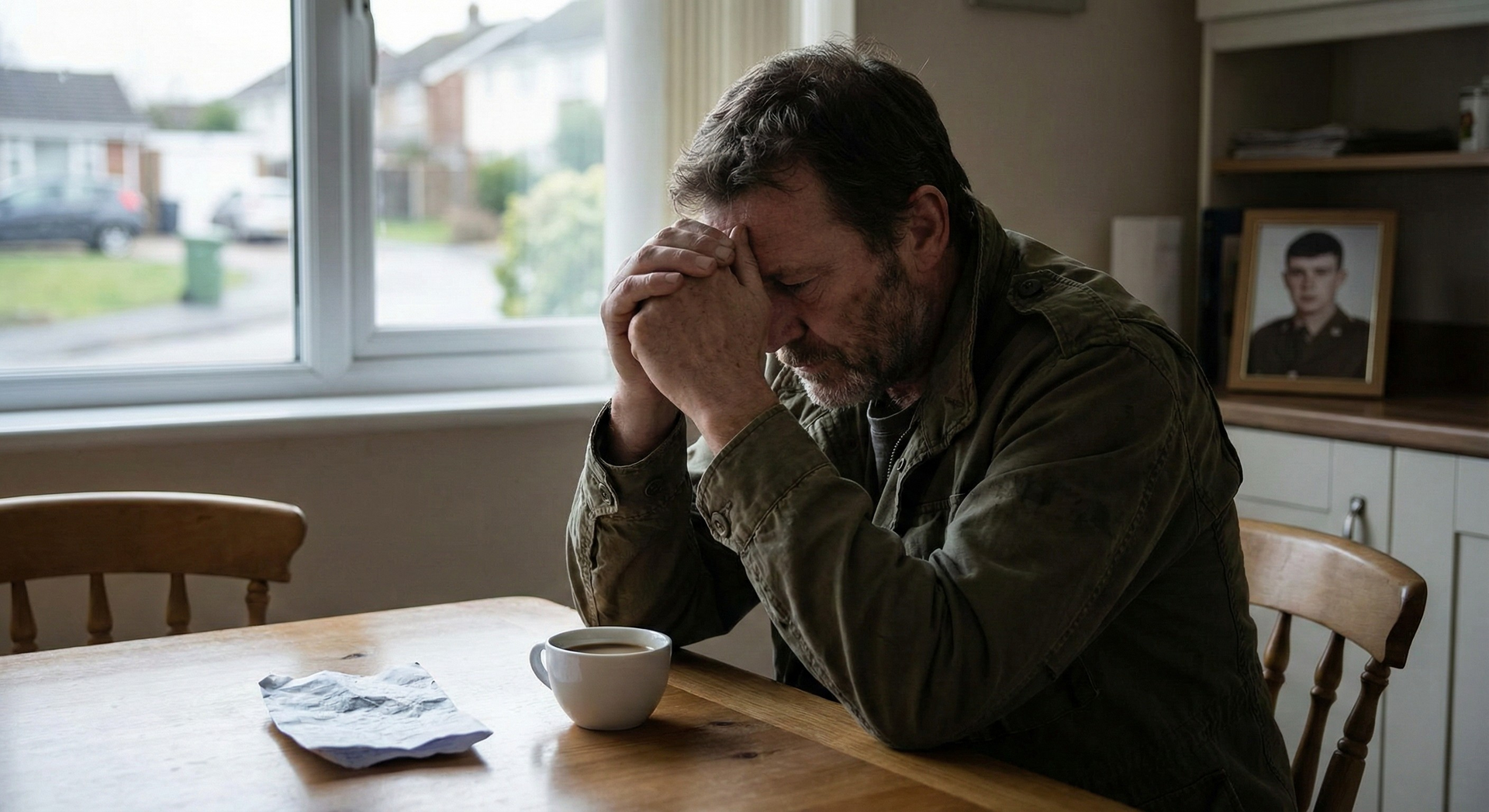
Post-Traumatic Stress Disorder is one of the most common conditions claimed by Veterans, and one of the most frequently mishandled by the VA. PTSD claims are often denied, underrated, or delayed not because the condition is unclear, but because the VA applies inconsistent standards, relies on flawed examinations, or discounts credible evidence that does not fit neatly into its internal templates.
TDIU (Total Disability Based on Individual Unemployability)
 Read More
When You Cannot Work, the VA Is Still Allowed to Pay You at 100%
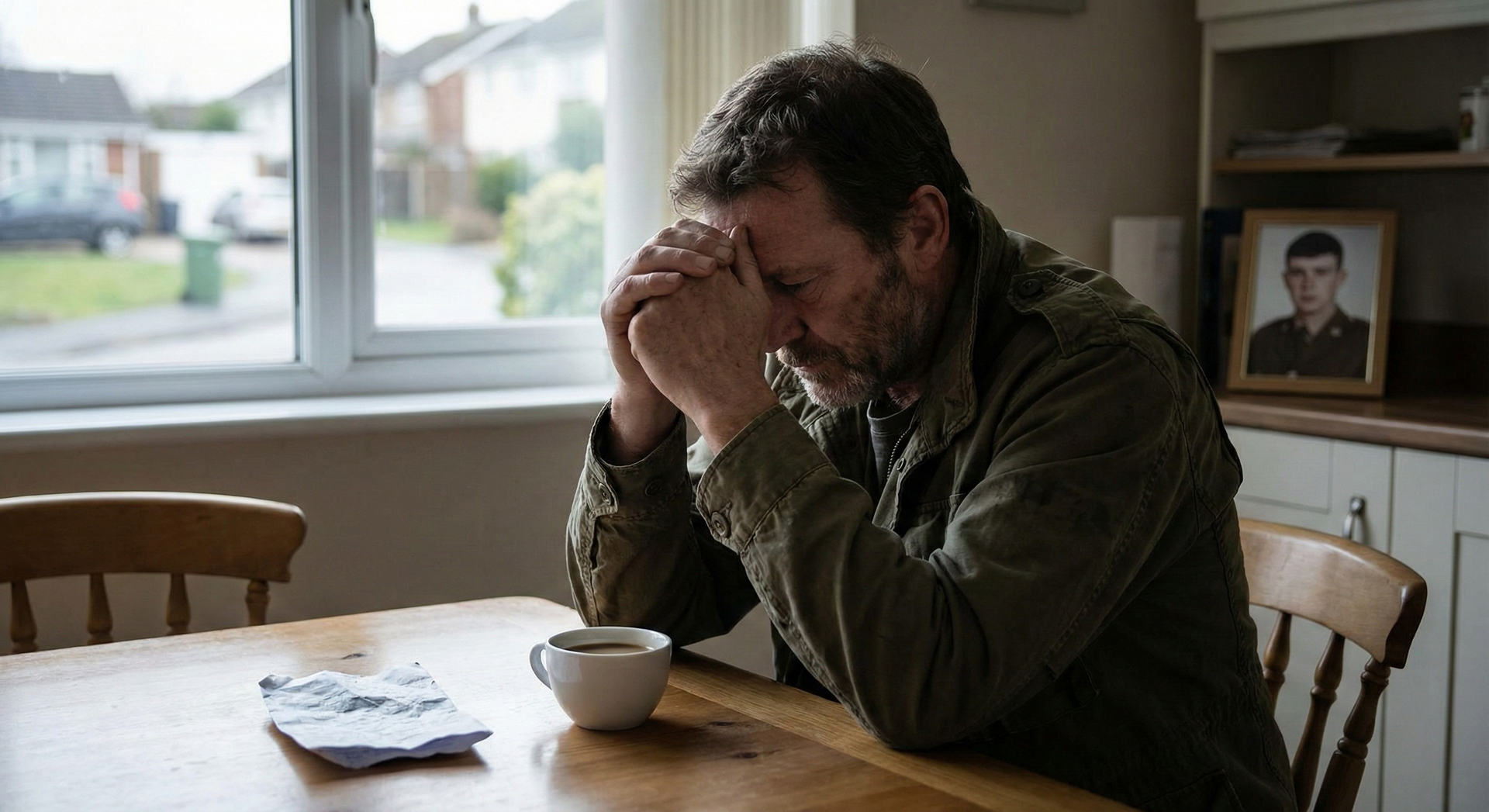
Not every Veteran who is unable to work meets the schedular criteria for a 100 percent rating. The law accounts for that reality. Total Disability based on Individual Unemployability, or TDIU, allows Veterans to be compensated at the 100 percent rate when service-connected conditions prevent substantially gainful employment, even if the combined rating is less than 100 percent.
Clear and Unmistakable Error
 Read More
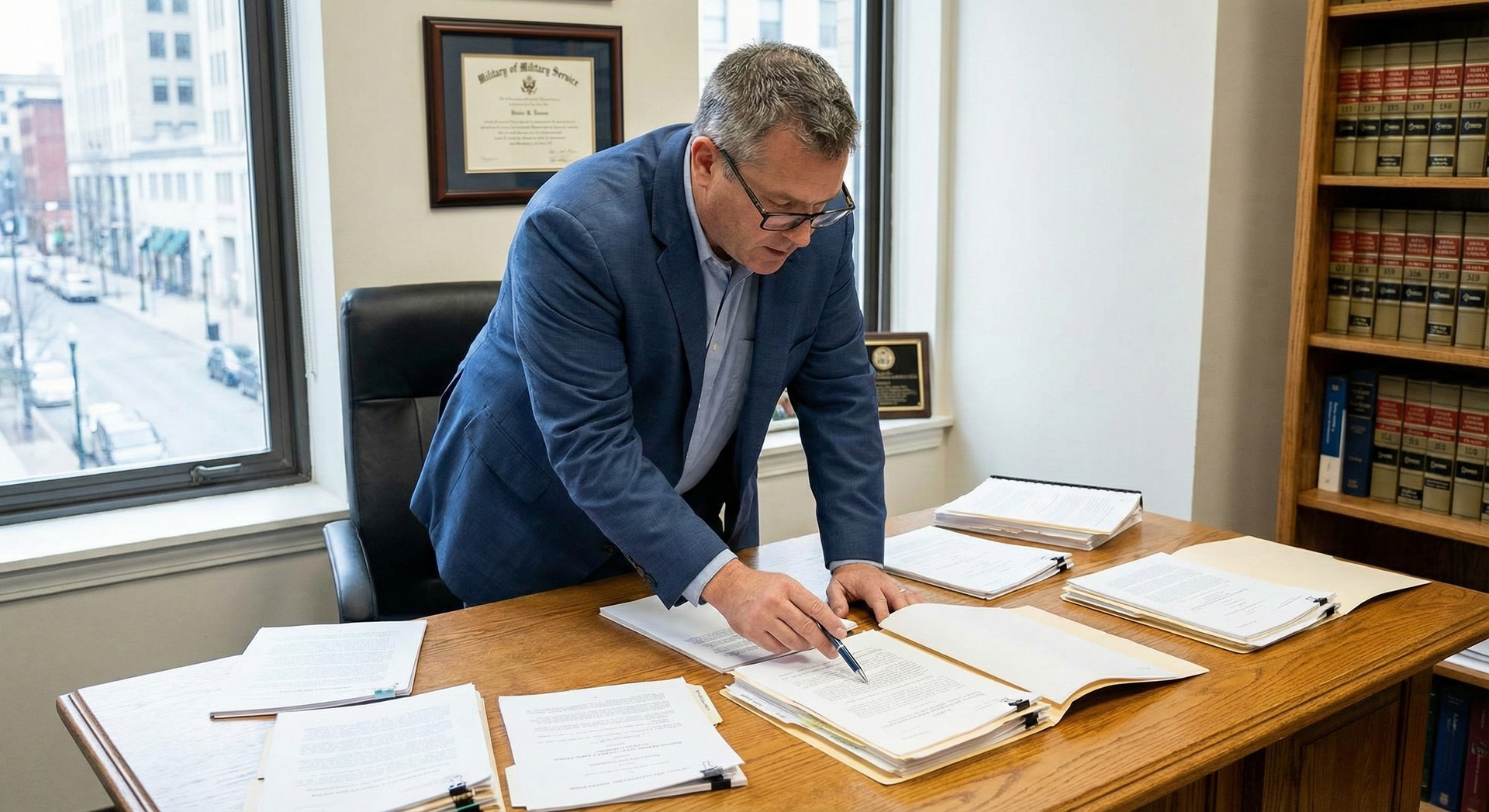
Most VA decisions must be appealed within strict deadlines. Clear and Unmistakable Error is different. A valid CUE claim allows a Veteran to challenge a final VA decision long after the normal appeal period has expired, but only when the VA committed a specific type of legal error.
Traumatic Brain Injury (TBI)
 Read More
Traumatic Brain Injury claims present unique challenges under VA law. Many Veterans with TBIs are told that their injury was “mild,” that imaging was normal, or that symptoms are better explained by another diagnosis. As a result, legitimate TBI claims are frequently denied, underrated, or improperly split into disconnected pieces.
Sleep Apnea
 Read More
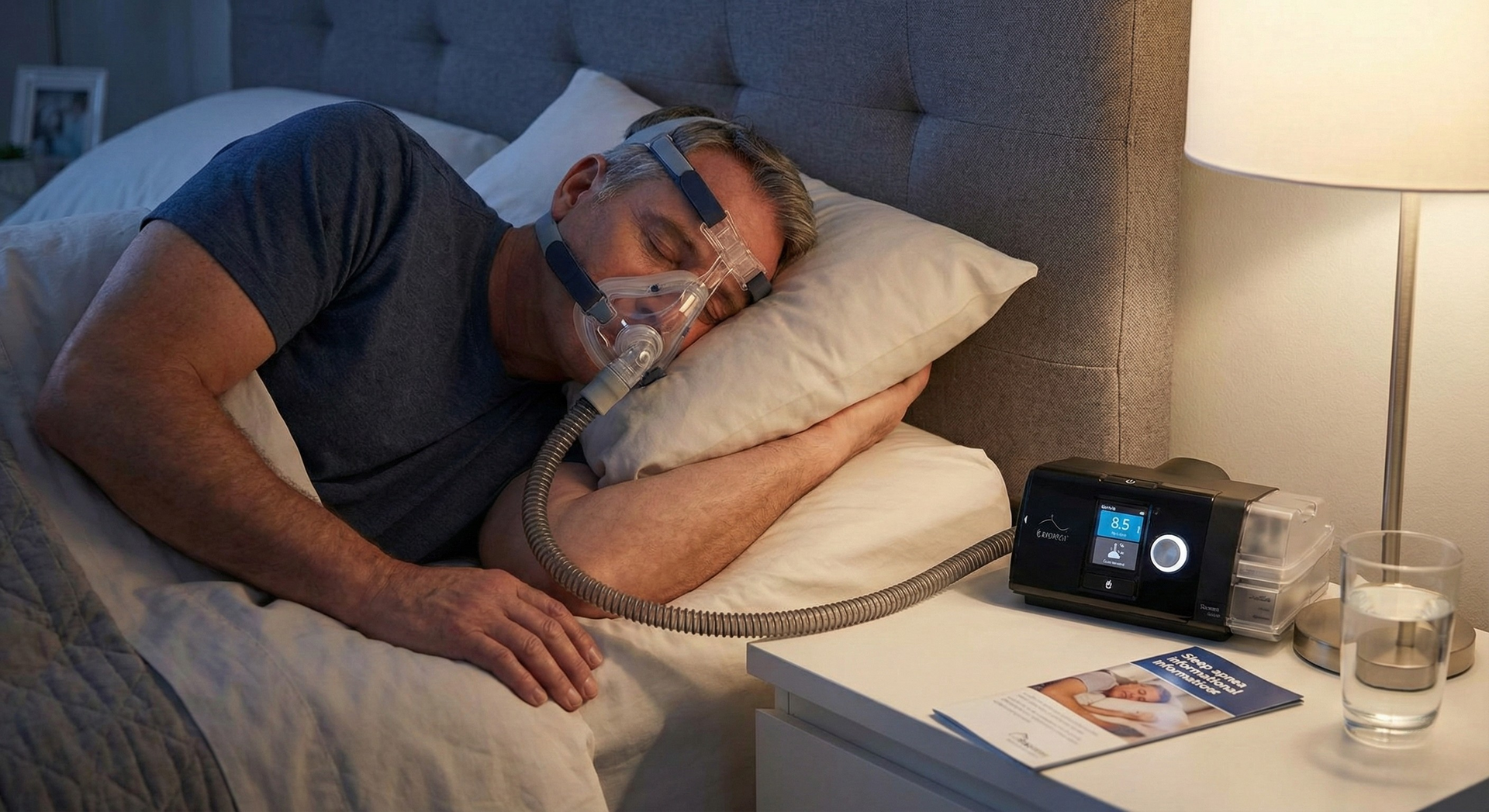
Sleep apnea is one of the most frequently claimed conditions among Veterans, and one of the most commonly denied. The VA often treats sleep apnea as a standalone diagnosis divorced from the rest of a Veteran’s medical history. That approach is legally flawed and medically incomplete.
Migraines
 Read More
Migraine headaches are among the most common conditions claimed by Veterans and among the most misunderstood by the VA. Migraine claims are often denied outright or assigned ratings that bear little resemblance to how debilitating the condition actually is.
PACT Act
 Read More
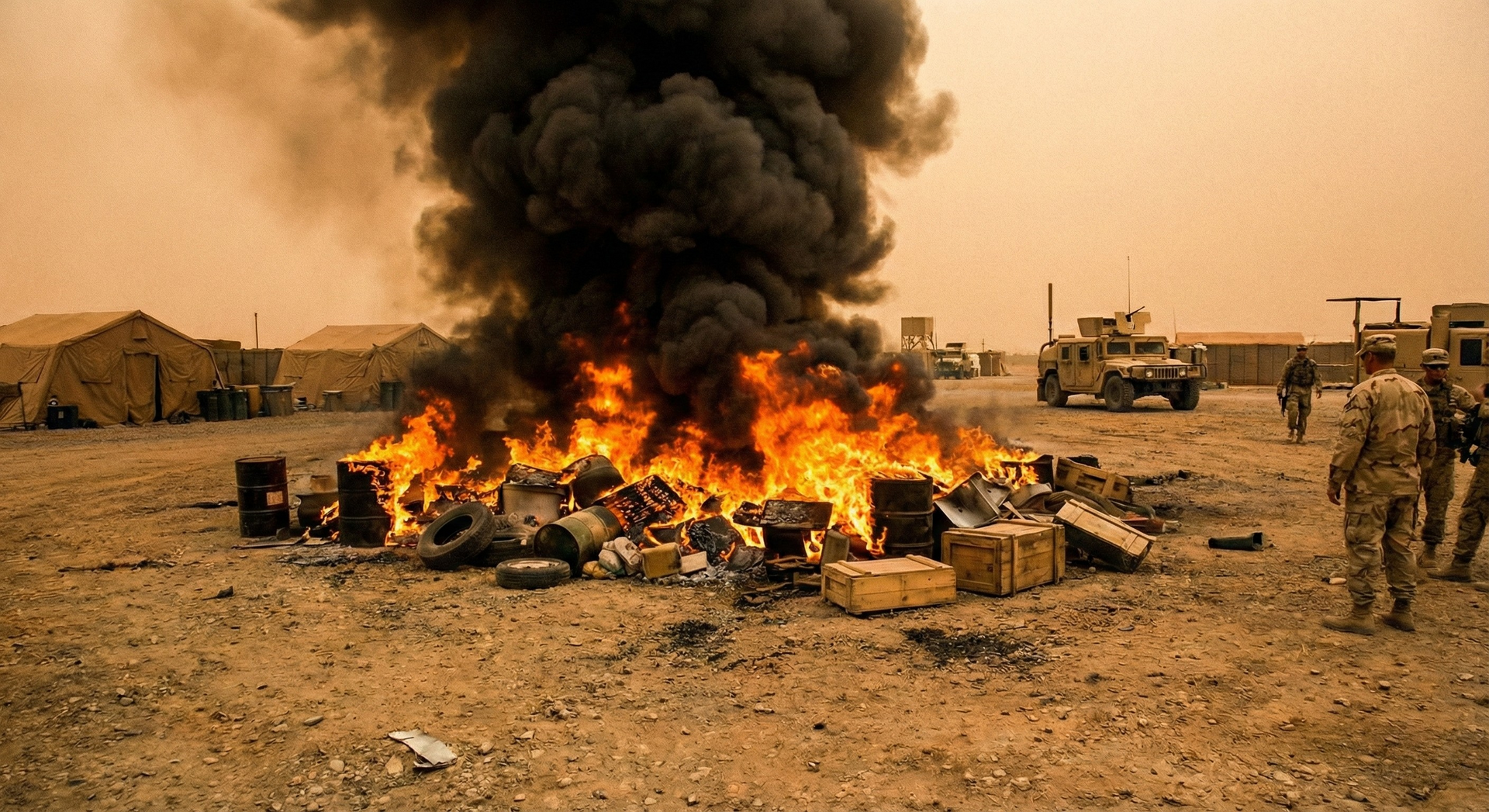
The Sergeant First Class Heath Robinson Honoring Our Promise to Address Comprehensive Toxics Act expanded VA benefits for Veterans exposed to toxic substances during military service. It created new presumptions, added qualifying locations, and recognized conditions that had been denied for decades.
Agent Orange
 Read More
Agent Orange Claims Should Be Straightforward. Too Often, They Are Not.
Agent Orange exposure is one of the most well-established areas of VA disability law. The science is settled. The presumptions are clear. The statutory framework has been in place for decades.
Gulf War
 Read More
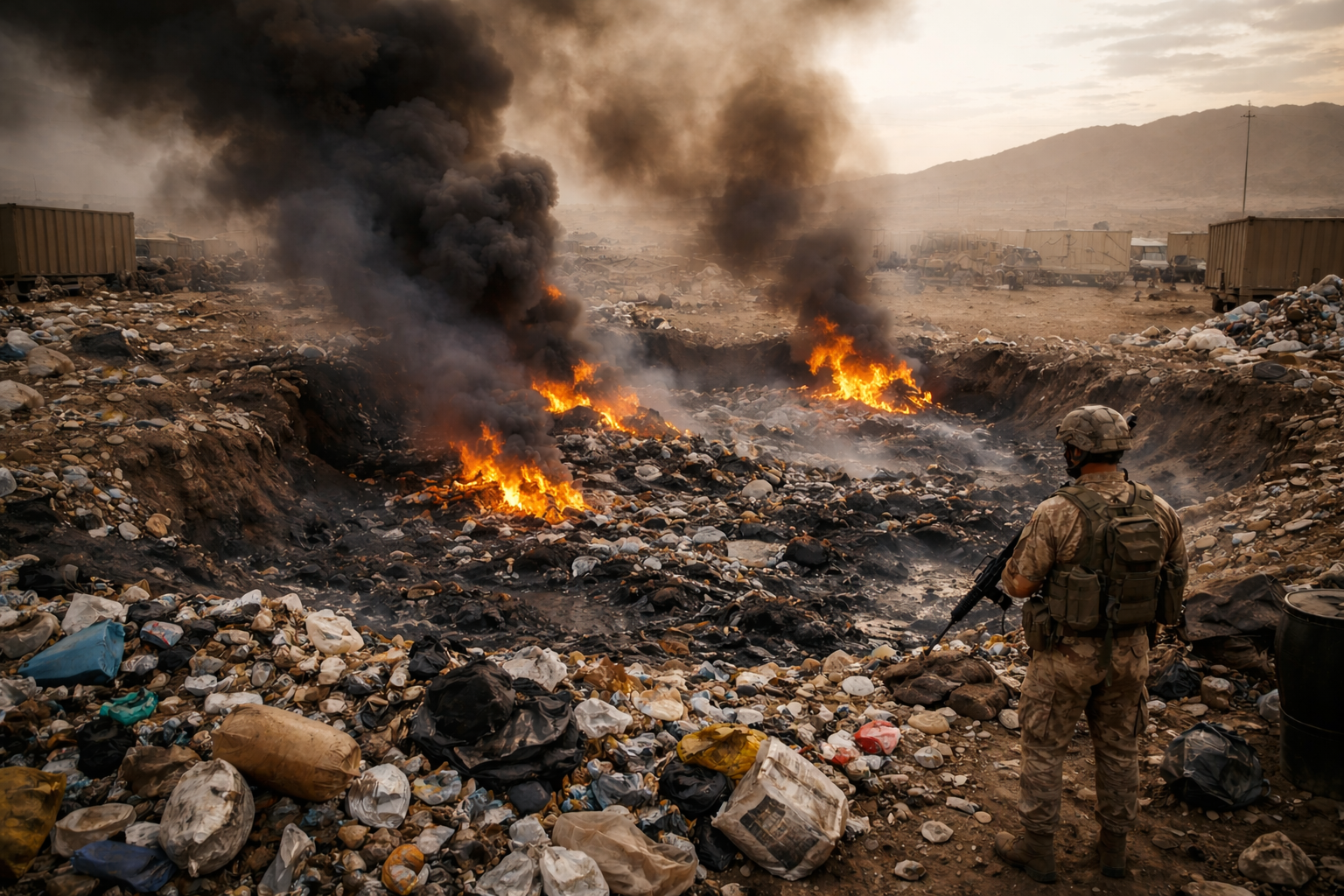
Veterans who served in Southwest Asia and other high-risk environments are often exposed to hazards that do not produce immediate, easily diagnosed conditions. Instead, symptoms develop gradually, overlap across body systems, and resist simple explanation.
Military Sexual Trauma
 Read More
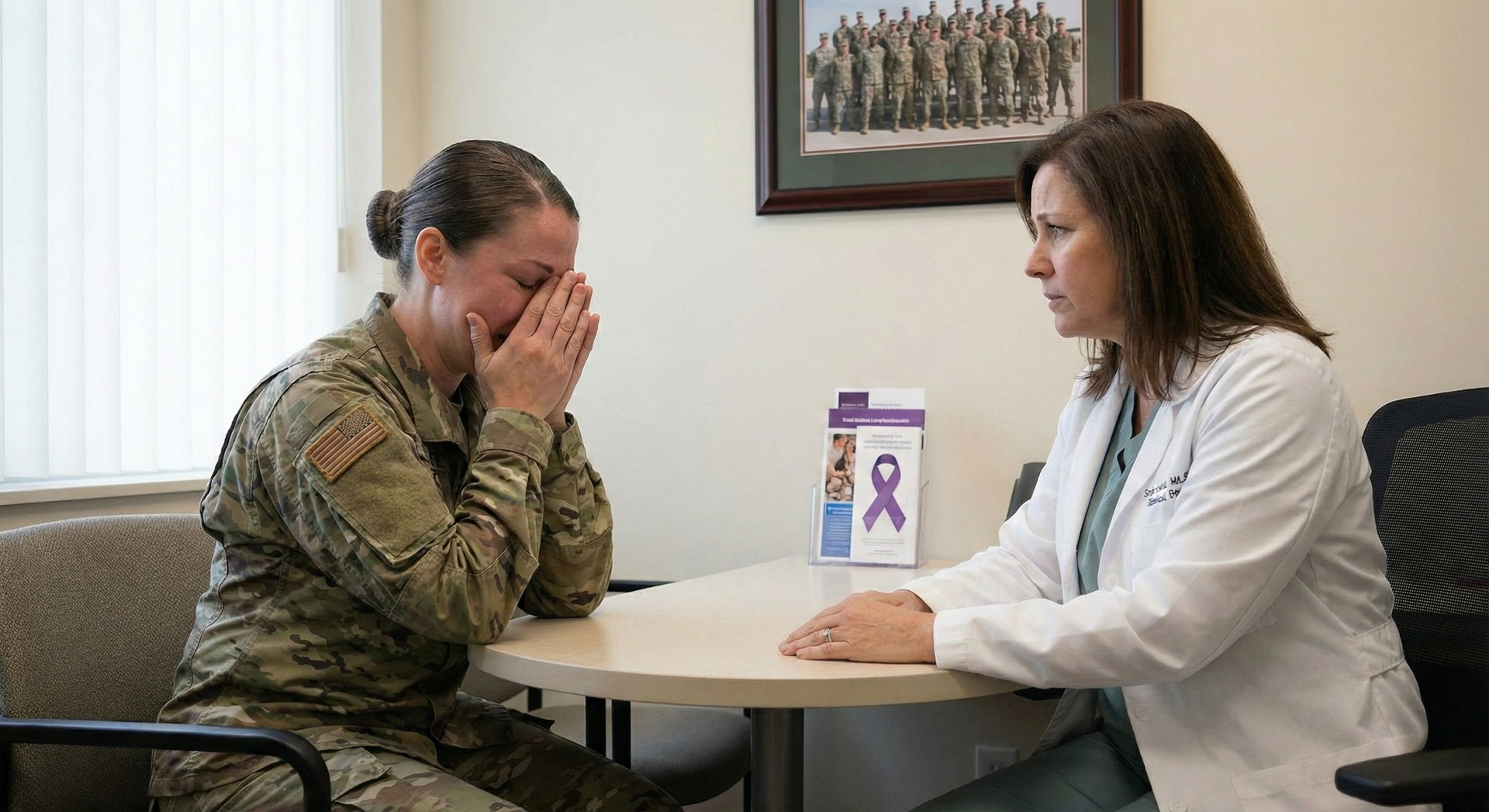
Military Sexual Trauma claims are unlike most other VA disability claims. They often involve events that were never formally reported, occurred in environments where reporting felt unsafe or impossible, and left lasting psychological effects that do not fit neatly into standard evidentiary boxes.
PTSD and Mental Health
Post-Traumatic Stress Disorder is one of the most common conditions claimed by Veterans, and one of the most frequently mishandled by the VA. PTSD claims are often denied, underrated, or delayed not because the condition is unclear, but because the VA applies inconsistent standards, relies on flawed examinations, or discounts credible evidence that does not fit neatly into its internal templates.
TDIU (Total Disability Based on Individual Unemployability)
When You Cannot Work, the VA Is Still Allowed to Pay You at 100%
Not every Veteran who is unable to work meets the schedular criteria for a 100 percent rating. The law accounts for that reality. Total Disability based on Individual Unemployability, or TDIU, allows Veterans to be compensated at the 100 percent rate when service-connected conditions prevent substantially gainful employment, even if the combined rating is less than 100 percent.
Clear and Unmistakable Error
Most VA decisions must be appealed within strict deadlines. Clear and Unmistakable Error is different. A valid CUE claim allows a Veteran to challenge a final VA decision long after the normal appeal period has expired, but only when the VA committed a specific type of legal error.
Traumatic Brain Injury (TBI)
Traumatic Brain Injury claims present unique challenges under VA law. Many Veterans with TBIs are told that their injury was “mild,” that imaging was normal, or that symptoms are better explained by another diagnosis. As a result, legitimate TBI claims are frequently denied, underrated, or improperly split into disconnected pieces.
Sleep Apnea
Sleep apnea is one of the most frequently claimed conditions among Veterans, and one of the most commonly denied. The VA often treats sleep apnea as a standalone diagnosis divorced from the rest of a Veteran’s medical history. That approach is legally flawed and medically incomplete.

Migraines
Migraine headaches are among the most common conditions claimed by Veterans and among the most misunderstood by the VA. Migraine claims are often denied outright or assigned ratings that bear little resemblance to how debilitating the condition actually is.
PACT Act
The Sergeant First Class Heath Robinson Honoring Our Promise to Address Comprehensive Toxics Act expanded VA benefits for Veterans exposed to toxic substances during military service. It created new presumptions, added qualifying locations, and recognized conditions that had been denied for decades.
Agent Orange
Agent Orange Claims Should Be Straightforward. Too Often, They Are Not.
Agent Orange exposure is one of the most well-established areas of VA disability law. The science is settled. The presumptions are clear. The statutory framework has been in place for decades.
Gulf War
Veterans who served in Southwest Asia and other high-risk environments are often exposed to hazards that do not produce immediate, easily diagnosed conditions. Instead, symptoms develop gradually, overlap across body systems, and resist simple explanation.
Military Sexual Trauma
Military Sexual Trauma claims are unlike most other VA disability claims. They often involve events that were never formally reported, occurred in environments where reporting felt unsafe or impossible, and left lasting psychological effects that do not fit neatly into standard evidentiary boxes.
What our Client are saying
Hear from our satisfied customers about their experiences
This product exceeded my expectations! The quality is outstanding and the customer service was excellent. I highly recommend this to anyone looking for a reliable solution.

John Doe
1 week ago
This product exceeded my expectations! The quality is outstanding and the customer service was excellent. I highly recommend this to anyone looking for a reliable solution.

Oliver
1 week ago
This product exceeded my expectations! The quality is outstanding and the customer service was excellent. I highly recommend this to anyone looking for a reliable solution.

Emma
1 week ago
This product exceeded my expectations! The quality is outstanding and the customer service was excellent. I highly recommend this to anyone looking for a reliable solution.

Henry
2 week ago
This product exceeded my expectations! The quality is outstanding and the customer service was excellent. I highly recommend this to anyone looking for a reliable solution.

Sophia
1 week ago